By Roy Zia Ur Rahman ISLAMABAD, Sep 06 (APP):Courage, fearlessness and a determination to complete the mission at any cost defined Squadron Leader Sarfraz Ahmed Rafiqui’s final flight on September 6, 1965. With the spirit to face even death in the line of duty, he flew into battle knowing the dangers ahead. When his guns jammed and enemy fighters surrounded him, he had every reason to leave — but Rafiqui …
By Roy Zia Ur Rahman
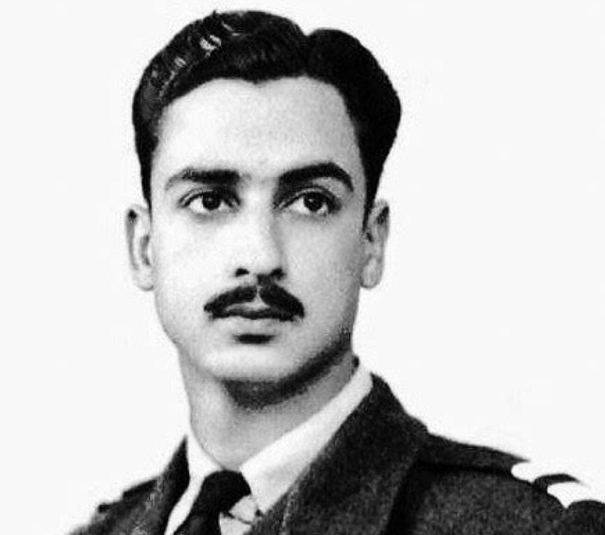
ISLAMABAD, Sep 06 (APP):Courage, fearlessness and a determination to complete the mission at any cost defined Squadron Leader Sarfraz Ahmed Rafiqui’s final flight on September 6, 1965. With the spirit to face even death in the line of duty, he flew into battle knowing the dangers ahead. When his guns jammed and enemy fighters surrounded him, he had every reason to leave — but Rafiqui chose to stay with his fellow pilots, turning his last flight into one of the most powerful stories of courage in Pakistan Air Force history.
Rafiqui was leading a PAF formation towards the Indian airbase at Halwara when the pilots were warned that a large number of enemy fighters were in the air.
He continued the mission.
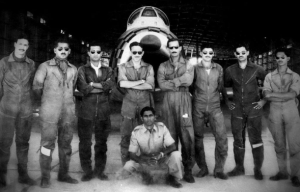
For Rafiqui, this was not his first major air battle of the war. On September 1, he and his fellow pilots had already faced Indian aircraft over the Chamb sector. PAF records say they shot down three of four intruding Indian aircraft.
Five days later, another difficult mission was waiting.
On September 6, Rafiqui led F-86 Sabres towards Halwara as fighting continued on the ground around Lahore.
The danger increased on the return journey when the Pakistani formation was met by a much larger group of Indian Hunter aircraft.
The air battle began.
According to the official PAF Museum record, Rafiqui shot down an Indian Hunter within the first moments of the fight.
Then something went wrong.
His guns jammed.
The fighter aircraft was still flying, but Rafiqui could no longer fire at the enemy.
For any pilot in such a situation, leaving the battle area would have been understandable. He had no working guns and enemy fighters were around him.
But Rafiqui made a different choice.
He ordered his No. 2 pilot to take command of the formation and continue the fight.
Rafiqui then moved into a defensive position.
He could not fire, but he could still fly.
He could still stay with his men.
He could still help protect them.
The official PAF account says he continued defensive moves in his unarmed aircraft while the other pilots fought the enemy. His presence helped his formation remain in battle and shoot down three more Hunter aircraft.
Rafiqui knew the danger.
An aircraft without working guns in the middle of an air battle had little protection.
Yet he did not leave his formation.
His Sabre was eventually shot down and Rafiqui embraced martyrdom.
What made the action extraordinary was not simply that a fighter pilot died in combat. It was the decision he made before his death.
He had a chance to leave. He chose to stay.
The official PAF record describes his courage and dedication as being among the finest examples in the history of air fighting.
Rafiqui was awarded Hilal-i-Juraat for his courage. APP’s earlier PAF account also records that he received Sitara-i-Juraat for his wartime service.
More than six decades later, his final flight remains a lesson in courage and leadership. A true commander does not think only about his own safety when his men are in danger. Rafiqui could have left the battle after his guns stopped working, but he stayed to support his fellow pilots despite knowing that he could no longer fire back at the enemy.
His guns had stopped working, but Rafiqui did not leave his men. He stayed in the battle until the end and gave his life while protecting his fellow pilots and completing his duty. That decision made his final flight a lasting symbol of courage, sacrifice and loyalty to his country and comrades.