
By Roy Zia Ur Rahman ISLAMABAD, Sep 06 (APP):The guns of the September 1965 war fell silent more than six decades ago, but the voices that raised the spirit of soldiers at the front still echo across Pakistan every Defence Day. From Noor Jehan’s “Aye Watan Ke Sajeele Jawano” to Mehdi Hassan’s “Apni Jaan Nazar Karoon” and Naseem Begum’s “Aye Rah-e-Haq Ke Shaheedo”, the war-time anthems and national songs still …
By Roy Zia Ur Rahman
ISLAMABAD, Sep 06 (APP):The guns of the September 1965 war fell silent more than six decades ago, but the voices that raised the spirit of soldiers at the front still echo across Pakistan every Defence Day.
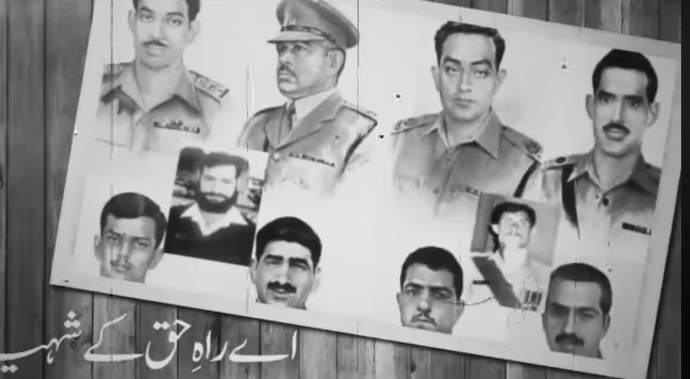
From Noor Jehan’s “Aye Watan Ke Sajeele Jawano” to Mehdi Hassan’s “Apni Jaan Nazar Karoon” and Naseem Begum’s “Aye Rah-e-Haq Ke Shaheedo”, the war-time anthems and national songs still tell a story of courage, sacrifice and a nation standing together.
These were more than anthems. They carried the prayers of mothers, raised the spirit of soldiers and gave voice to the feelings of millions of Pakistanis.
There was no internet, social media or mobile phone in 1965. Radio Pakistan was one of the main links between the war front and the people. Families gathered around radio sets for news, while poets, composers and singers used their words, music and voices to keep the national spirit high.
The scale of this response was huge. Historical accounts suggest that around 2,000 poems in Urdu alone were written around the 1965 war, showing how writers and poets also became part of the national effort.
Malika-e-Tarannum Noor Jehan became one of the strongest voices of the September war. Her “Aye Watan Ke Sajeele Jawano” became a salute to the men defending Pakistan.

Her Punjabi war-time anthems carried an even more personal message.
“Mereya Dhol Sipahiya, Tainu Rabb Diyan Rakhan” sounded like a prayer from home for a soldier at the front.
Then came “Aye Puttar Hattan Te Nahi Wikde”, written by Sufi Ghulam Mustafa Tabassum and sung by Noor Jehan. Its simple words reminded people that the soldiers fighting at the front were also someone’s sons, brothers and loved ones.
Shehnshah-e-Ghazal Mehdi Hassan also gave his voice to the national spirit. “Apni Jaan Nazar Karoon”, written by Masroor Anwar, carried a simple message of love for Pakistan and readiness to give everything for the homeland.
Inayat Hussain Bhatti was another powerful voice of patriotic music. His Punjabi style brought its own energy to the war-time anthems. “Jang Khed Nahi Hundi Zananian Di” was among the Punjabi numbers that became linked with the spirit of the September war.
Other anthems also filled the airwaves. “Allah Ki Rehmat Ka Saya” and “Pakistani Baray Lariya” were among the recordings remembered from that period, while energetic Punjabi lines such as “Rakh Jigra Te Ho Ja Hun Tagra, Mit Jaye Kufr Da Jhagra” reflected the mood of those days.
Ustad Amanat Ali Khan’s “Aye Watan Pyare Watan, Pak Watan” also became one of Pakistan’s most remembered national songs. Decades later, it continues to be heard on national days.
Then came an anthem that gave words to the sacrifice of martyrs.
“Aye Rah-e-Haq Ke Shaheedo”, sung by Naseem Begum, became one of Pakistan’s most moving tributes to those who gave their lives for the country. Written by Mushir Kazmi, its Radio Pakistan version is linked with 1965, while it was later included in the 1966 film Madar-e-Watan.
Its words and Naseem Begum’s voice gave the anthem a life beyond its own time. Even today, its opening lines bring to mind the men who laid down their lives for Pakistan.
But the musical story of September 1965 was not limited to soldiers fighting on land. The sailors at sea and the airmen in the skies also found their place in war-time music.
One of Pakistan’s biggest literary names, Jaun Elia, also picked up his pen during the war.
Following the Pakistan Navy’s Dwarka operation, Jaun Elia wrote the naval war anthem “Farmanrawa-e-Bahr-e-Arab, Pak Bahria.” It was sung by Ahmed Rushdi, Nighat Seema and their companions, with music by Nathu Khan. Historical accounts say it was broadcast by Radio Pakistan Karachi on September 9, 1965.
Jaun Elia’s connection with the September war was not limited to one anthem. His other writings on the war later appeared in the collection “Jang Tarang”, along with the work of other poets who wrote about the land, sea and air battles of the period.
Pakistan Navy’s tradition of patriotic music continued in the years that followed.
“Pak Bahria Farman Hai” became part of that tradition, while singers including Tahseen Javed also lent their voices to naval anthems.
The words “Samandaron Ka Seena Cheer Ke Chal Pare”, associated with the voice of Tausif Ahmed Khan, presented another picture of national defence — sailors leaving the shore and moving into the open sea to guard Pakistan’s waters.
If Navy anthems took patriotic music to the sea, Pakistan Air Force anthems took it to the skies.
During the September war, “Shaheen Sifat Yeh Tere Jawan”, written by poet Raees Farogh, paid tribute to the airmen defending Pakistan’s skies. The anthem was composed by Rafiq Ghaznavi and sung by Taj Multani, Naseema Shaheen and their companions.
The words “Shaheen Sifat” suited the image of the PAF pilots taking to the skies during the war and gave the air battle its own voice in Pakistan’s war-time music.
In later years, the tradition continued. Alamgir’s “Tum Hi Se Aye Mujahido” became another familiar patriotic anthem, carrying the message of courage to a new generation.
The names behind these anthems also tell an important story. Noor Jehan, Mehdi Hassan, Naseem Begum, Inayat Hussain Bhatti, Amanat Ali Khan, Ahmed Rushdi, Nighat Seema, Taj Multani and Alamgir gave their voices, while poets including Sufi Ghulam Mustafa Tabassum, Masroor Anwar, Mushir Kazmi, Jaun Elia and Raees Farogh gave words to the national spirit.
Together, they created a musical picture of Pakistan’s defence — a soldier at the border, a sailor at sea and an airman in the sky.
For people who lived through September 1965, these anthems carried a meaning beyond music. A mother waiting for news of her son and a soldier sitting far from home could hear the same voice on radio. For one it was a prayer; for the other, a message that the nation stood behind him.
More than six decades later, the voices return every September 6.
Noor Jehan again calls out to the country’s sajeele jawan, Mehdi Hassan again speaks of giving everything for the homeland, while Naseem Begum again salutes the martyrs.
The guns of September 1965 fell silent long ago, but its war-time anthems never really did. From the borders and the skies to the open sea, they still tell new generations a simple story — of courage, sacrifice and love for Pakistan.