
ISLAMABAD, Aug 26 (APP):Pakistan is pursuing a dual mission: ensuring food security while greening the country through massive plantation drives. Officials emphasize that plantations and food production are complementary, not competing, efforts. The recent floods have devastated Pakistan’s agricultural produce and rural infrastructure, exposing the urgent need for stronger climate resilience. Experts note that with limited water storage capacity, much of the floodwater ran off unused—raising concerns of future scarcity …
Green Fields, Strong Shields for Pakistan
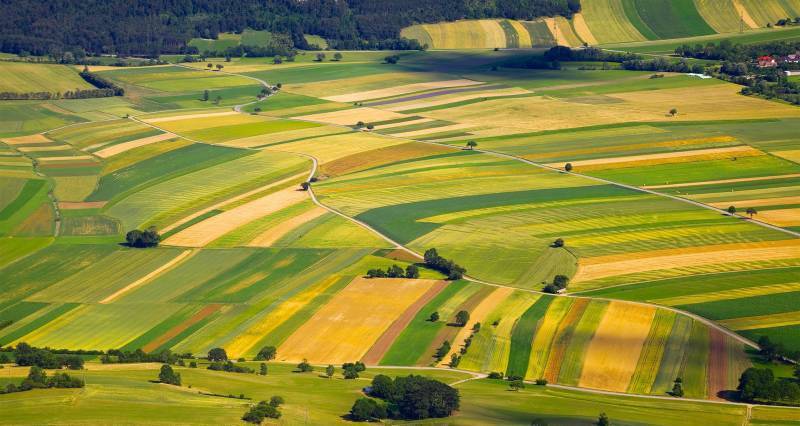
ISLAMABAD, Aug 26 (APP):Pakistan is pursuing a dual mission: ensuring food security while greening the country through massive plantation drives. Officials emphasize that plantations and food production are complementary, not competing, efforts.
The recent floods have devastated Pakistan’s agricultural produce and rural infrastructure, exposing the urgent need for stronger climate resilience. Experts note that with limited water storage capacity, much of the floodwater ran off unused—raising concerns of future scarcity in hotter and drier months. This could push food prices higher, affecting ordinary citizens already under financial stress.
“The vision is clear: Pakistan must be green and food-secure,” said a spokesperson from the Ministry of Climate Change. “Our forests will protect our land, while our farmers will feed our people. Together, they will shape a sustainable future.”
Agricultural experts highlight that the government’s climate-smart initiatives—such as drought-resistant seed varieties, efficient irrigation systems and concessional loans for farmers—reflect a recognition of the urgency. According to the Pakistan Council of Research in Water Resources (PCRWR), wheat and rice yields have been affected by erratic weather, but reforms in seed technology and water management are helping stabilize production in Punjab and Sindh.
Asma Jawad Hashmi, Director of the National Agromet Centre, told APP: “The floods damaged our harvests and infrastructure, but the government is already responding with improved storage systems, climate-smart farming, and integrated plantation campaigns. These steps will stabilize prices, protect farmers, and build resilience against future extreme weather.”
Earlier this year, the government launched the Spring Tree Plantation Drive 2025, targeting a large number of saplings nationwide, alongside the Upscaling of the Green Pakistan Program, which envisions planting millions of new trees and conserving billions of existing ones by 2028.
In August 2025, the Monsoon Tree Plantation Campaign was launched under the theme “One Daughter – One Tree”, pledging more than 40 million saplings in three months.
Prime Minister Muhammad Shehbaz Sharif has placed a strong focus on agriculture alongside plantation campaigns. His policies include incentives for climate-smart crops, modernization of irrigation, expansion of water storage, and support for farmers to adopt advanced practices. “Plantation campaigns, combined with a renewed focus on agriculture, will not only protect Pakistan from climate change but also ensure affordable food for our people,” the Prime Minister said, calling for national unity in this mission.
In an exclusive interview with APP, Dr Anwar Ali Shad, Associate Professor/Director at The University of Agriculture Peshawar, said, “Pakistan, home to nearly 245 million people, now stands at a crossroads of food security and environmental preservation. Government planners describe the environment as a living body—food is the heart that keeps it alive, and forests are the lungs that keep it breathing. Both are indispensable, and by safeguarding them together through integrated policies, Pakistan is building resilience, sustainability, and ecological balance.”
“Trees are nature’s defense system,” said Dr Azeem, former DG NARC. ” A hungry nation cannot fight climate change. The government’s combined focus on crops and plantations is the right approach.”, he added while talking to APP.
Plantation efforts are also yielding visible benefits: reforestation has boosted groundwater recharge, reduced flood damage and provided natural crop-shielding in scorching summers. At the same time, kitchen gardening and agroforestry projects are empowering communities to secure their own food supplies.
Humayun Iqbal, a senior economist, noted the financial dimension of this model: “Immediate-yield crops reduce food imports, while plantations allow Pakistan to earn carbon credits in international markets.”
International experiences strengthen this approach. Ethiopia and India have successfully combined tree planting with food production, boosting both harvests and climate resilience. With growing support from donors and climate funds, Pakistan is advancing on a similar path.
“Pakistan is not choosing between food and forests—it is choosing both,” said climate researcher Dr Saima Gul. “Crops and trees are the twin shields Pakistan needs to withstand disasters like the recent floods and to secure its future.”