
ISLAMABAD, Jul 23 (APP):Glasgow is once again going to become the meeting place of the Commonwealth on July 23, as athletes and supporters from 56 nations including Pakistan descend on its red-sandstone streets for the Commonwealth Games. Gaston Browne, Prime Minister of Antigua and Barbuda, who is the host of Commonwealth Heads of Government Meeting (CHOGM) 2026 in his article titled "" wrote that for the next fortnight, sporting triumphs …
Glasgow set to gather athletes from 56 Commonwealth states including Pakistan
ISLAMABAD, Jul 23 (APP):Glasgow is once again going to become the meeting place of the Commonwealth on July 23, as athletes and supporters from 56 nations including Pakistan descend on its red-sandstone streets for the Commonwealth Games.
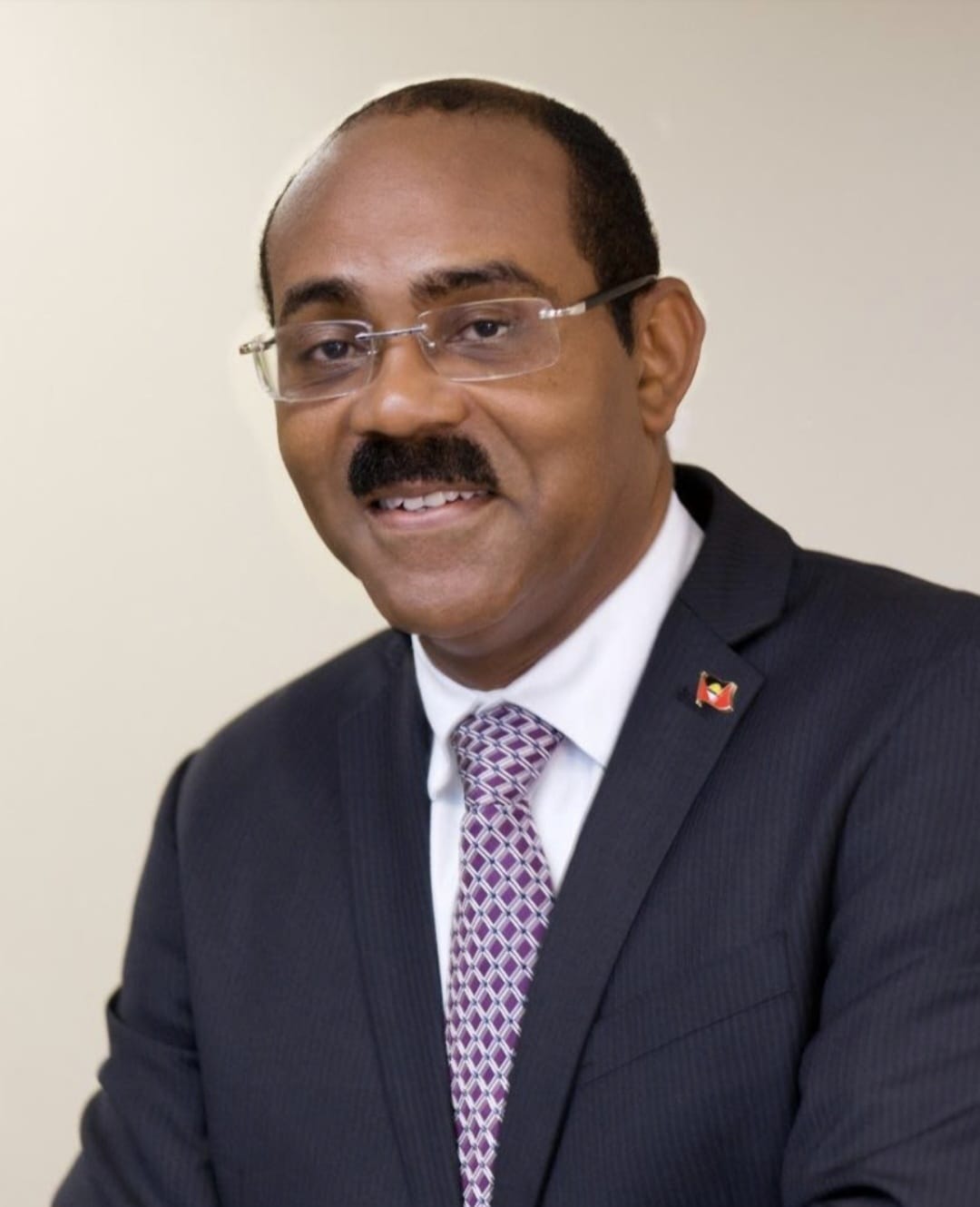
Gaston Browne, Prime Minister of Antigua and Barbuda, who is the host of Commonwealth Heads of Government Meeting (CHOGM) 2026 in his article titled “” wrote that for the next fortnight, sporting triumphs will capture the attention of millions across the Commonwealth.
The article by the Prime Minister Browne mentions Arshad Nadeem for whom he said the Pakistanis would be willing him towards gold.
The article says yet when the closing ceremony draws to an end, another prize will remain before us – one with the power to enrich every Commonwealth citizen: the untapped capacity of our network to increase trade, investment and enterprise between its members.
History has endowed our family of nations with shared language, legal traditions, institutional similarities and diaspora networks that make commerce easier and cheaper. The result is trade between our member states that is 21 per cent cheaper and, in turn, around 20 per cent greater than between otherwise comparable countries.
The article reads that the Commonwealth spans 2.7 billion people across every inhabited continent, the world’s most populous countries to some of its smallest states, Nauru. It encompasses many of the fastest-growing nations. More than 60 per cent of its people are under the age of 30. Yet despite its scale and dynamism, it remains one of the world’s most underutilised economic networks.
It further says that it need not be this way. In November, Commonwealth leaders will gather in Antigua and Barbuda for the Commonwealth Heads of Government Meeting (CHOGM). If the Games celebrate what binds us together, the summit should ask how we make those bonds work harder for our people.
While past summits have often centred on values, this year’s CHOGM will place trade and investment unashamedly at the heart of its agenda. Some question the Commonwealth’s relevance in today’s world; few could say what it does beyond the Games. Yet if anything, the global moment throws its strengths into sharper relief.
The geopolitical order has changed dramatically in the past few years. Multilateralism is fraying. Trade is giving way to protectionism. Broader international institutions have become hostage to great-power rivalries. Against this backdrop, trust commands a new premium.
While in calmer waters, commerce can afford to roam. In rougher seas, it makes for trusted harbours. Few international networks offer as many of them as the Commonwealth. Our voluntary association is bound not by geography, but by institutional and commercial compatibility. That familiarity, reinforced over decades of interaction, breeds trust.
Conventional wisdom has long favoured regional blocs. In principle, proximity lowers transport costs, shortens delivery times and makes it easier to organise production across borders. Geography, however, does not impart trust. Indeed, the geopolitical shocks of recent years have demonstrated precisely the opposite.
Nevertheless, the Commonwealth need not come at the expense of regional blocs or vice versa. There is much we can do to remove barriers to trade and investment across our network while remaining fully committed to groupings such as the Caribbean Community or the South Asian Association (SAARC).
Despite our compatibility, unnecessary frictions are still created by policy. We should reduce tariffs where possible, align technical standards and regulatory requirements, streamline customs procedures, and make it easier for entrepreneurs, investors and professionals to move and do business across Commonwealth markets.
But removing barriers is only half the task. The Commonwealth Advantage we have inherited must also be built upon to create a denser commercial network: connecting investors with projects across the Commonwealth, building pipelines of investment-ready projects, fostering Commonwealth supply chains in the industries of the future, and creating common digital standards for trade.
Much of this is self-evident, though too often overlooked. Indeed, the Commonwealth already has many of the necessary initiatives in place. The challenge is no longer identifying what needs to be done but kindling the political will of member states to do it. That should be the measure of success at CHOGM.
The Commonwealth should not enter our consciousness only when the Games begin. Its greatest contribution should be felt in the years between them in the jobs created, the businesses built, and the opportunities opened to people across our family of nations.