ISLAMABAD, Nov 19 (APP):The Gandhara Strategic Dialogue on Thursday held thematic discussions on the preservation of Pakistan’s Buddhist heritage, facilitation of international Buddhist pilgrims and measures to promote the country as a destination for religious tourism and cultural exchange. The sessions brought together Buddhist monastics from across the world, senior government officials and heritage and tourism experts, who deliberated on improving conservation of sacred heritage sites, simplifying travel procedures and …
Gandhara Strategic Dialogue discusses heritage conservation, facilitation of Buddhist Pilgrims
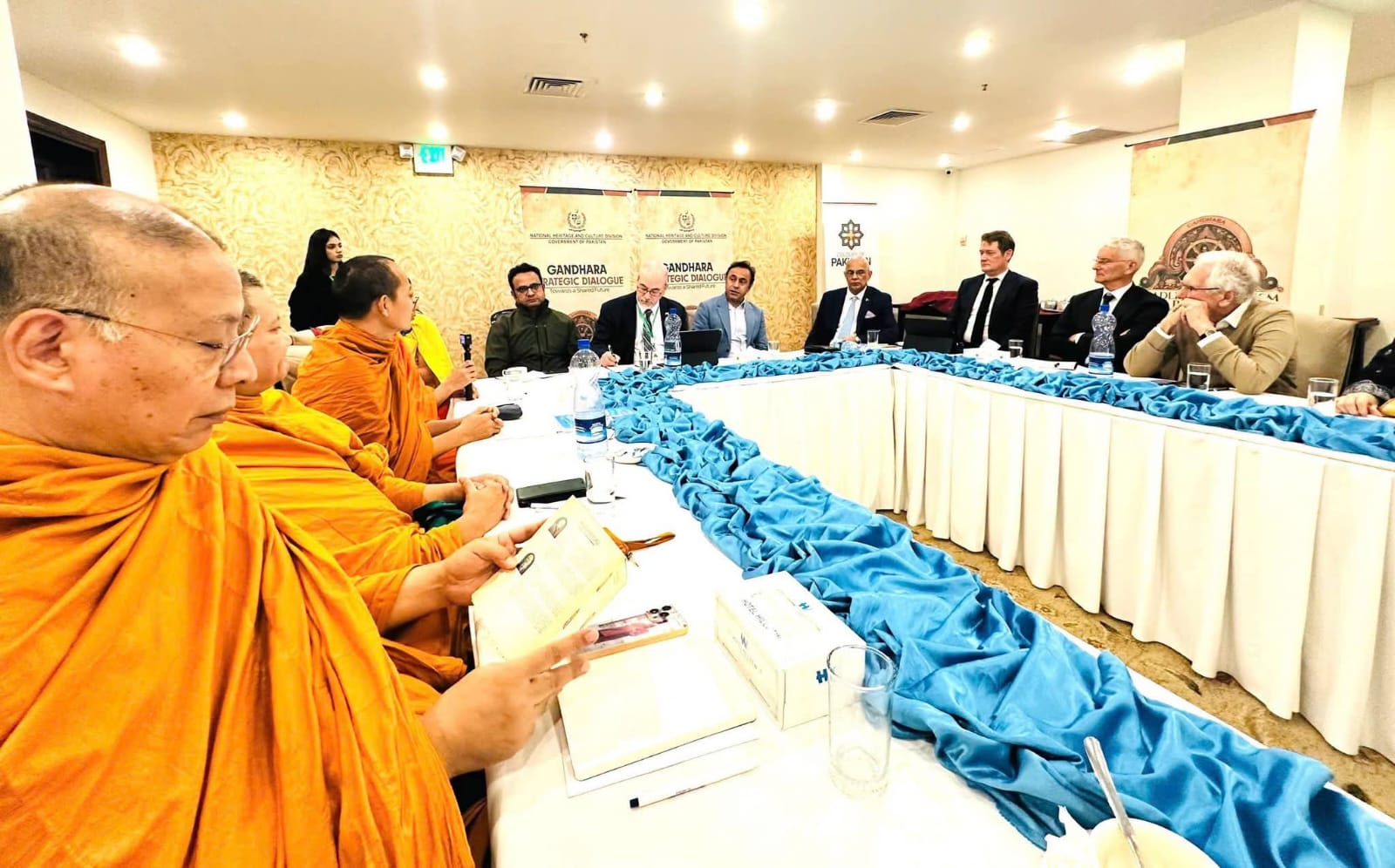
ISLAMABAD, Nov 19 (APP):The Gandhara Strategic Dialogue on Thursday held thematic discussions on the preservation of Pakistan’s Buddhist heritage, facilitation of international Buddhist pilgrims and measures to promote the country as a destination for religious tourism and cultural exchange.
The sessions brought together Buddhist monastics from across the world, senior government officials and heritage and tourism experts, who deliberated on improving conservation of sacred heritage sites, simplifying travel procedures and providing suitable facilities for visiting Buddhist communities.
Coordinator of the Prime Minister’s Task Force on Gandhara, Imran Shauket, opened the thematic proceedings by outlining the key areas of discussion and highlighting the importance of linking Pakistan’s Buddhist heritage with cultural preservation, international engagement and faith-based tourism. He stressed the need to understand the expectations and practical requirements of Buddhist monastics visiting the country’s sacred sites.
During the first thematic session, Director General of Archaeology and Museums Khyber Pakhtunkhwa Dr. Abdul Samad and Director General of Archaeology Punjab Zaheer Abbas Malik briefed participants on Buddhist heritage sites in their respective provinces, ongoing conservation initiatives and arrangements for facilitating visitors.
The presentations highlighted legal and institutional safeguards for protecting archaeological monuments, including restrictions on development in surrounding areas to preserve the historical integrity and original settings of the sites.
The speakers also emphasised community participation in heritage conservation, particularly through the preservation of indigenous knowledge, folklore and historical narratives associated with Gandhara.
The visiting Buddhist monastics appreciated the conservation efforts and called for greater attention to protecting the surrounding landscapes and natural environments. They also proposed innovative approaches, including historical storytelling and animation, to make Gandhara’s Buddhist legacy more accessible to younger generations and international audiences.
The second thematic session focused on facilitating Buddhist pilgrims, improving regulatory coordination and strengthening Pakistan’s international profile. Discussions included recommendations by the Prime Minister’s Task Force to introduce Buddhism as a separate category in Pakistan’s visa application system, facilitate long-term visas for Buddhist monastics and visitors, and review and simplify No Objection Certificate (NOC) requirements for diplomats and international travellers.
Participants also stressed the need for better coordination among relevant institutions and specialised orientation and training for customs and law enforcement personnel to ensure that arrangements for Buddhist visitors take into account their religious traditions and practices.
Sharing their experiences of visiting Pakistan, the monastics highlighted issues relating to transportation, visa processing and accommodation. They emphasised the need for dedicated facilities where Buddhist visitors could stay for extended periods, offer prayers and practise meditation, observing that a meaningful pilgrimage involved more than brief visits to archaeological sites.
The participants also discussed the role of visiting monastics in projecting Pakistan’s Buddhist heritage internationally. They noted that monastics experiencing the country’s heritage firsthand could help promote its historical significance, hospitality and cultural diversity through their teachings, writings and engagement with Buddhist institutions and communities worldwide.
In a significant proposal, the visiting monastics expressed interest in organising a Buddhist Peace March connecting important Gandhara heritage sites to promote peace, interfaith harmony and shared cultural heritage.
They observed that the proposed initiative could help highlight Pakistan as a welcoming destination for Buddhist pilgrims while projecting its religious diversity, respect for different faiths and commitment to peaceful coexistence.
The Prime Minister’s Task Force acknowledged the recommendations and suggestions as valuable contributions to its ongoing strategic work, which aims to strengthen heritage conservation, improve facilities for Buddhist visitors and promote Pakistan as an important destination for Buddhist pilgrimage, cultural exchange and international engagement.