LAHORE, Sep 16 (APP):The NUR Shanakht Leadership Program hosted a special session of the NUR Shanakht Speaker Series at Fatima Memorial Hospital (FMH) here on Wednesday under the theme “Hamari Cuisine, Hamari Shanakht”. The session explored Pakistani food beyond taste, focusing on its links with the country’s history, culture, geography and national identity. The discussion was moderated by Maha Rehman, Co-Founder of NUR Foundation, with Hadia Dodhy supporting the session. …
Food, culture and identity discussed at NUR Shanakht session
LAHORE, Sep 16 (APP):The NUR Shanakht Leadership Program hosted a special session of the NUR Shanakht Speaker Series at Fatima Memorial Hospital (FMH) here on Wednesday under the theme “Hamari Cuisine, Hamari Shanakht”.
The session explored Pakistani food beyond taste, focusing on its links with the country’s history, culture, geography and national identity.
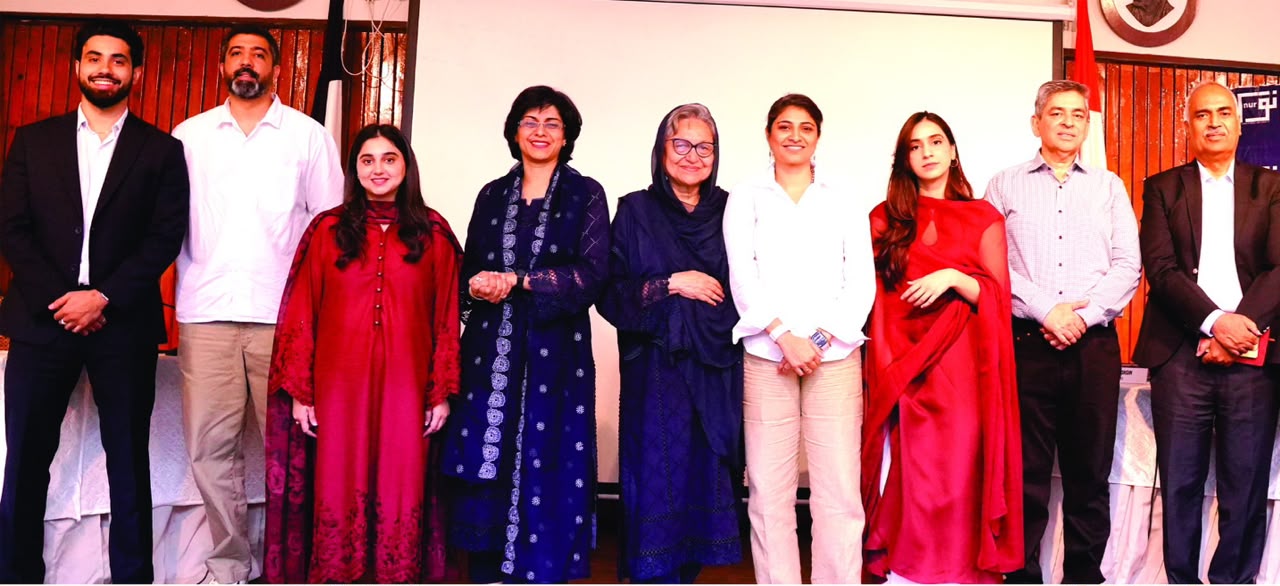
The discussion was moderated by Maha Rehman, Co-Founder of NUR Foundation, with Hadia Dodhy supporting the session. Shahima T. Rehman, Chairperson NUR-Fatima Memorial System, Prof. Tayyab Abbas and Mansoor Jamal Butt also attended.
The panel included Gauhar Bano Qureshi, Founder of The Loaf; Ammar Mohsin, Co-Founder of Rina’s Kitchenette; Sannan Tahir, Founding Partner of DOT Cafe; and Sara Kaleem, Brand Manager of Pop Up Kitchen.
The panelists shared their personal experiences and entrepreneurial journeys, offering practical guidance to young people interested in food entrepreneurship.
The speakers highlighted the cultural importance of eating together around a dastarkhwan and eating with hands, describing them as distinctive features of Pakistani social life. They also discussed the influence of the British era on the development of tea culture in the subcontinent.
The panel noted that social media and global food trends have increased the popularity of Western food among Gen Z. Speakers said practical factors also played a role, as traditional dishes such as Nihari and Paye often require more time and resources to prepare, while many Western-style foods can be prepared more quickly and at a lower cost.
The discussion also covered the way Pakistani restaurants abroad sometimes market their cuisine as South Asian food to attract a wider range of customers.
The session concluded with an emphasis on preserving Pakistan’s culinary traditions and passing its food heritage and shared dining culture on to younger generations in the face of rapidly changing global influences.