ISLAMABAD, June 24 (APP): First Lady Bibi Asifa Bhutto Zardari, MNA, Wednesday, said Pakistan highly values its close and multifaceted cooperation with the United Nations and attaches great importance to the work of the UN country team in Pakistan. The first lady met Mohamed Yahya, United Nations Resident Coordinator and the representatives of different UN agencies in Pakistan, who called on her at Aiwan-e-Sadr, President Secretariat Media Wing said in …
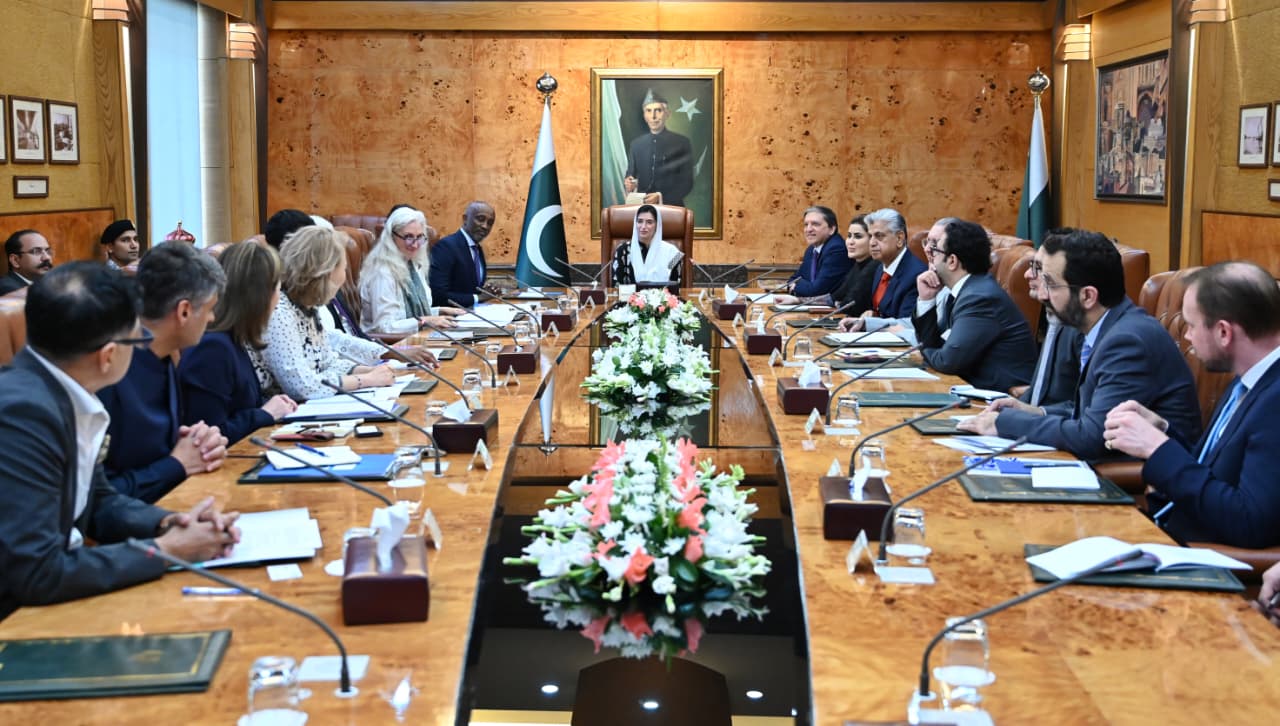
ISLAMABAD, June 24 (APP): First Lady Bibi Asifa Bhutto Zardari, MNA, Wednesday, said Pakistan highly values its close and multifaceted cooperation with the United Nations and attaches great importance to the work of the UN country team in Pakistan.
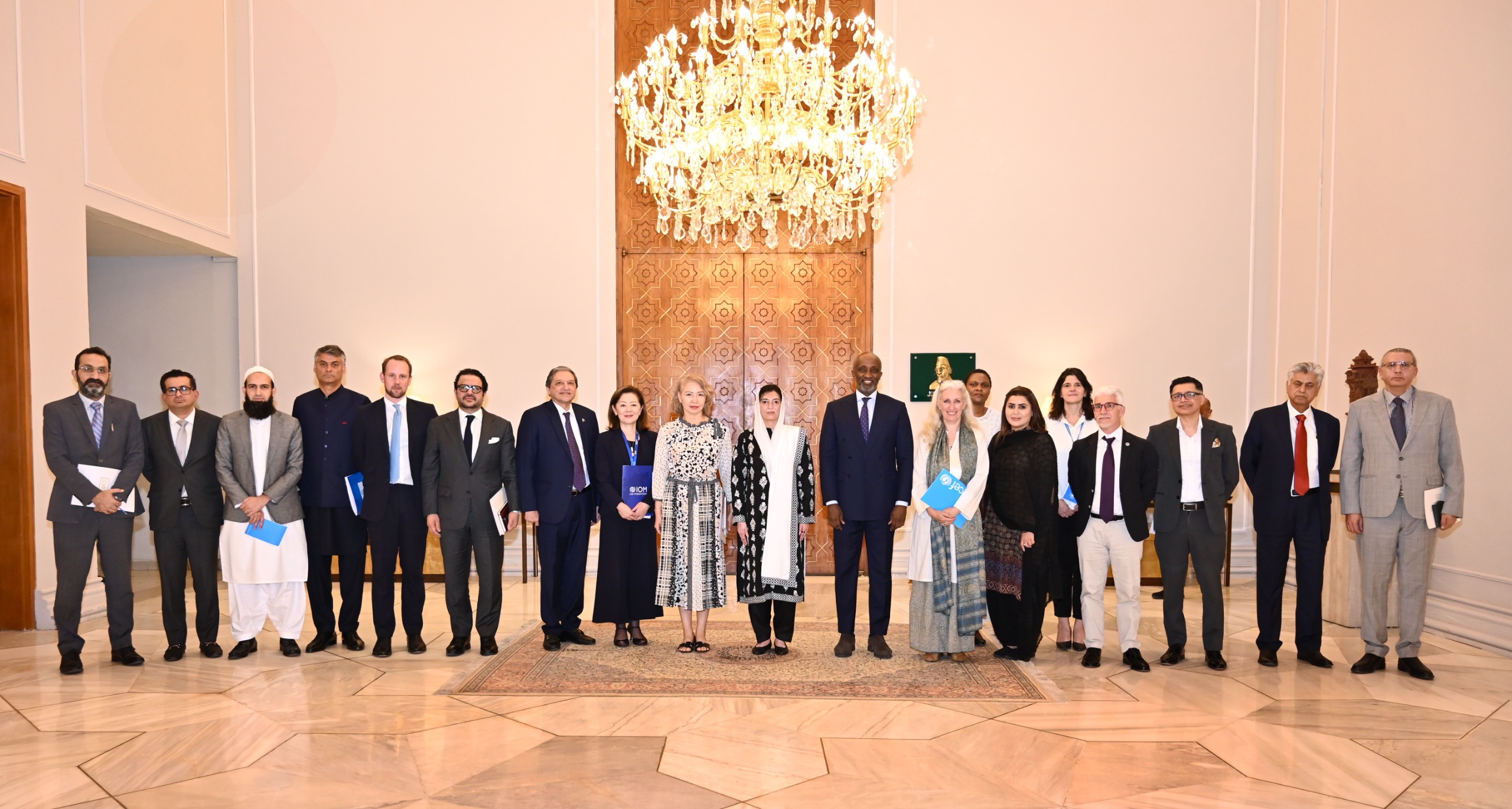
The first lady met Mohamed Yahya, United Nations Resident Coordinator and the representatives of different UN agencies in Pakistan, who called on her at Aiwan-e-Sadr, President Secretariat Media Wing said in a press release.
The meeting focused on Pakistan’s cooperation with the United Nations system, national development priorities, climate resilience, education, social protection, health and sustainable development.
The meeting was attended by Senator Saleem Mandviwala, MNA Shazia Marri and representatives of WFP, UNICEF, WHO, UNFPA, UNHCR, IOM, UNESCO and UN Women.
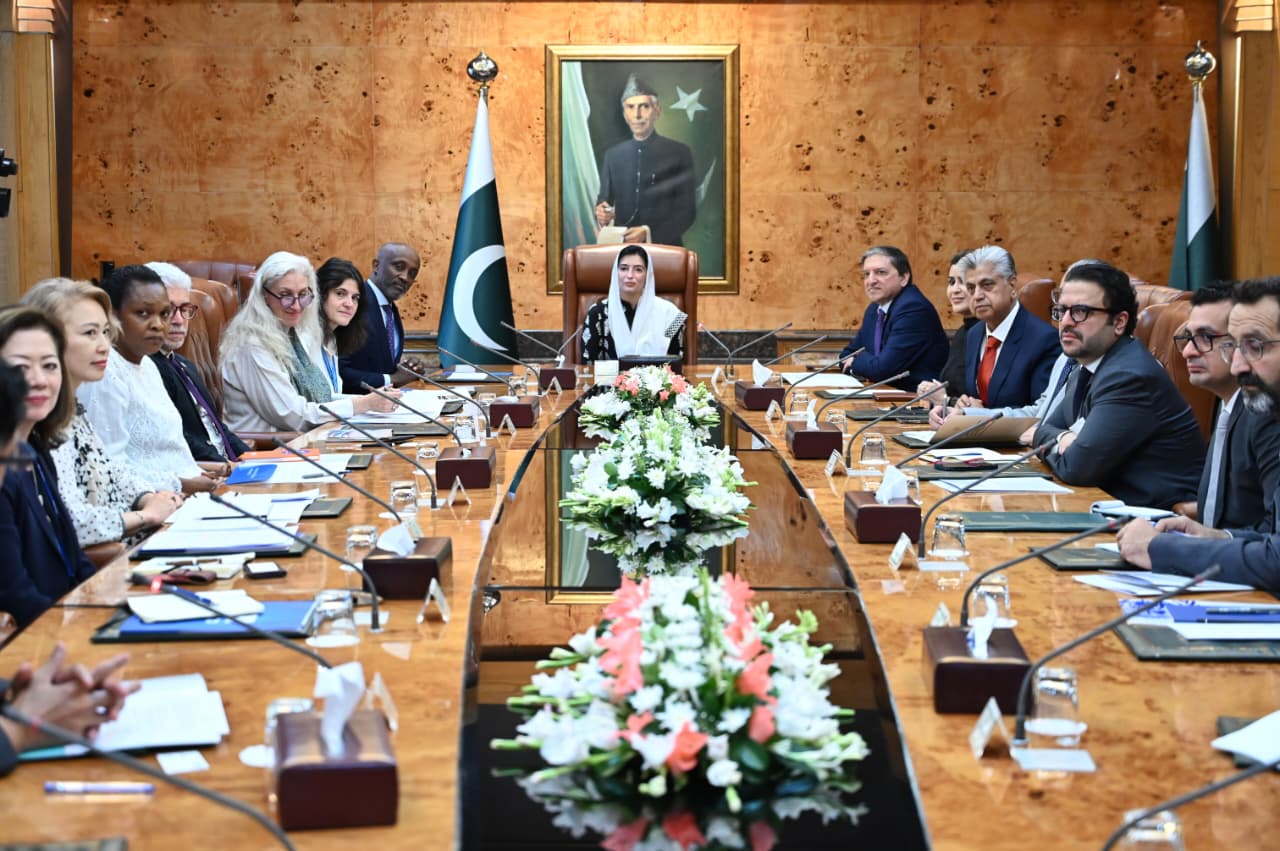
The first lady appreciated the contributions of UN agencies, funds and programmes working across the country and expressed the desire to further strengthen cooperation, particularly in the areas of public health, children, sustainable development goals and climate change.
She reaffirmed Pakistan’s commitment to working closely with the United Nations country team in advancing national development priorities and plans.
During the briefing, the first lady was informed that the UN has maintained a longstanding presence in Pakistan since 1947 and currently employs around 4,000 staff members across the country.
She was also briefed on the work of various UN agencies in supporting Pakistan’s development, humanitarian and social sector priorities.
Discussing health-related initiatives, the first lady reiterated Pakistan’s commitment to achieving a polio-free future and appreciated the UN sustained support for polio eradication efforts.
Mohamed Yahya thanked the first lady for championing the cause of polio eradication and noted that the next twelve months would be crucial for achieving this objective.
The first lady underscored the importance of innovation in public health and said that emerging technologies, including artificial intelligence, should be utilised to help ensure that polio vaccines reach every household.
She also acknowledged the UN’s continued assistance in strengthening maternal, newborn and child health and nutrition services across Pakistan.
In this regard, she noted the importance of the Benazir Nashonuma Programme in improving outcomes for women and children nationwide.
The first lady was informed that approximately 41 per cent of children in Pakistan suffered from stunting, one of the highest rates globally, and that malnutrition adversely affected children’s health, learning outcomes and future opportunities.
The briefing also highlighted challenges related to maternal health, anaemia, adolescent pregnancies and access to skilled healthcare services.
Bibi Asifa Bhutto Zardari said that child health and maternal care form an important part of the Pakistan Peoples Party’s manifesto and stressed the need for collective efforts to improve healthcare and nutrition outcomes for women and children.
The meeting also discussed women’s health, girls’ education, economic participation and protection from gender-based violence.
The first lady reaffirmed her support for initiatives aimed at improving opportunities for women and expanding access to education, healthcare and economic empowerment.
Bibi Asifa Bhutto Zardari expressed hope that the United Nations system would continue supporting Pakistan’s efforts to mobilise development and climate finance.
She described the climate change as one of the most consequential challenges of the time. Recalling the floods of 2022 and 2025, she appreciated the support provided by the UN system in disaster response and recovery efforts, including its role in co-hosting the International Conference on Climate Resilient Pakistan in January 2023.
She appreciated initiatives such as Living Indus and Recharge Pakistan, describing them as important contributions towards climate adaptation and long-term resilience.
She expressed the hope that the UN would continue supporting Pakistan during the transition phase as its humanitarian coordination presence in the country scales down, particularly in strengthening the disaster response capacities of national institutions.
The first lady noted that many communities in Pakistan continued to face significant socio-economic challenges, where access to quality education and adequate nutrition remains difficult.
Referring to Sindh’s post-flood rehabilitation efforts, she highlighted the provincial government’s large-scale housing initiative for flood-affected families as an important step towards rebuilding resilient communities.
Assuring the UN delegation of her support, the first lady said, “My voice is your voice in advancing the causes of child health, nutrition, education, polio eradication, women’s empowerment and social development. We remain committed to working together to improve the lives of our people and ensure that no child or woman is left behind.”
Mohamed Yahya reaffirmed the UN commitment to supporting Pakistan’s development priorities through continued cooperation with national institutions and stakeholders.