
ISLAMABAD, Dec 17 (APP):Experts emphasized the vital role of peers in suicide prevention, noting different signs and acts shown by individuals with suicidal thoughts. They encouraged students to act as first responders, explaining that suicidal ideation is treatable. They expressed these views during a mental health awareness session titled of “Milkar Ao Baat Karein” supported by the Mir Khalil ur Rehman Foundation and The British Asian Trust, in collaboration with …
Experts highlight importance of peer support in suicide prevention, encouraging students to act as first responders for those at risk
ISLAMABAD, Dec 17 (APP):Experts emphasized the vital role of peers in suicide prevention, noting different signs and acts shown by individuals with suicidal thoughts. They encouraged students to act as first responders, explaining that suicidal ideation is treatable.
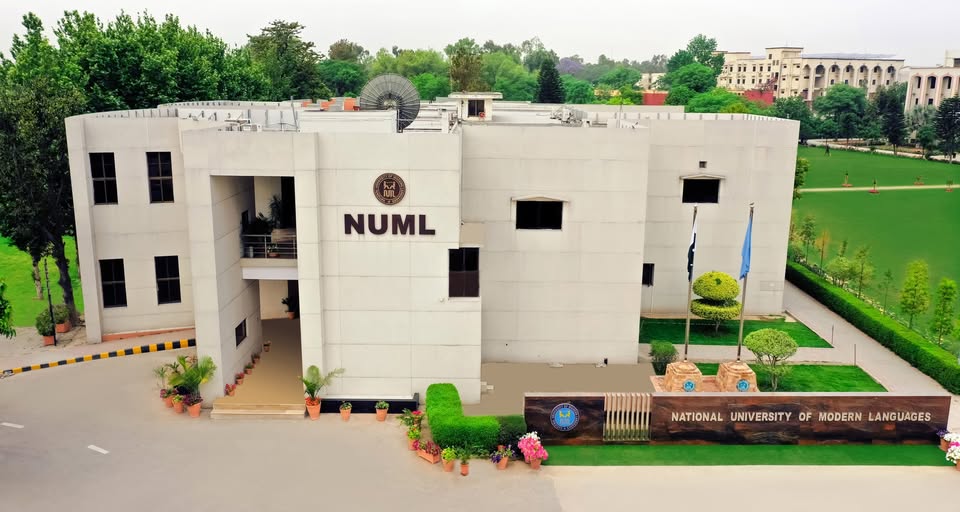
They expressed these views during a mental health awareness session titled of “Milkar Ao Baat Karein” supported by the Mir Khalil ur Rehman Foundation and The British Asian Trust, in collaboration with the NUML Department of Psychology and Project Suicide, a youth-led mental health initiative.
The event brought together students for an open and thoughtful discussion on how emotional pain often goes unnoticed in everyday environments such as classrooms, hostels and social circles, and how peers can play a critical role in identifying distress and guiding individuals toward appropriate help.
Addressing the students, experts explained that suicide is rarely an impulsive act and is typically preceded by identifiable emotional, behavioural and communication-related warning signs.
They noted that withdrawal, persistent hopelessness, drastic mood changes and difficulty coping with daily life are common indicators that peers are often best positioned to observe, provided they are aware of what to look for.
They also shed light on how suicidal thoughts are managed once a person is referred for professional care, emphasizing that suicidal ideation is treatable and that timely referral, appropriate intervention and consistent follow-up can significantly reduce risk.
They also stressed that experiencing suicidal thoughts does not mean an individual will remain at lifelong risk, provided they receive proper care and support.
A major focus of the session was the role of peers as first responders. Students were encouraged to view themselves as part of a broader safety net, capable of recognizing distress, responding with empathy and facilitating access to professional support rather than attempting to manage the situation alone.
The session also featured an interactive exchange with students on how to communicate with someone who may be suicidal. Trainers highlighted the importance of listening without judgment, avoiding dismissive reassurances and asking direct yet respectful questions.
Speakers pointed to the unique challenges facing suicide prevention in Pakistan, including deep-rooted social stigma, limited access to mental health services and legal constraints. Suicide attempts remain criminalised under Section 325 of the Pakistan Penal Code, a provision that mental health experts argue discourages individuals from seeking help and pushes psychological distress further underground.
Faculty members noted that such initiatives are particularly crucial in university settings, where academic pressure, financial stress and personal challenges often intersect, and where peers are usually the first to notice changes in behaviour.