
International and local cardiovascular experts have called for early screening, regular medical check-ups, public awareness and healthier dietary habits to prevent heart diseases and dyslipidemia, warning that the condition could pose serious health risks if left undiagnosed and untreated.
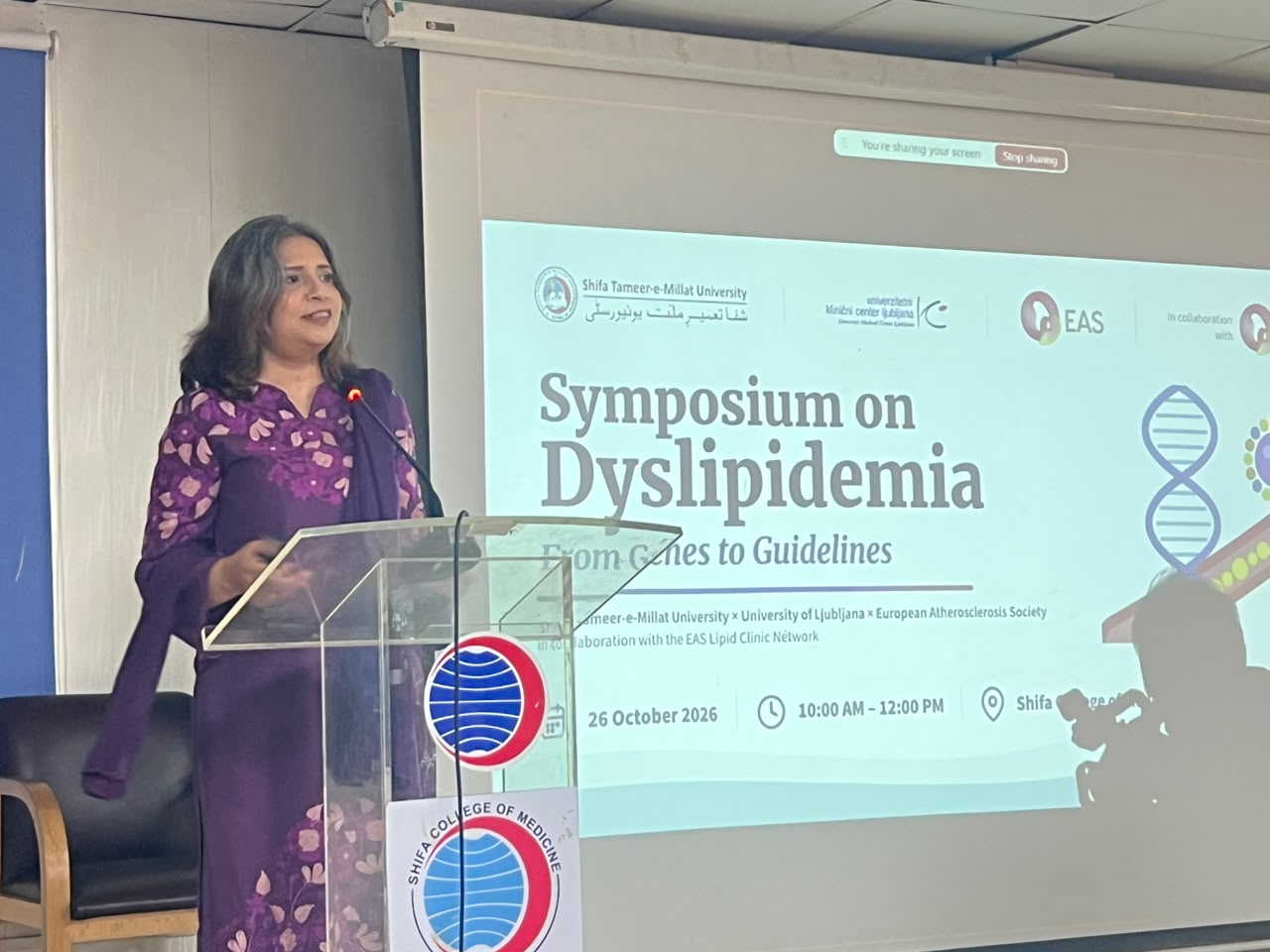
ISLAMABAD, Oct 26 (APP):International and local cardiovascular experts have called for early screening, regular medical check-ups, public awareness and healthier dietary habits to prevent heart diseases and dyslipidemia, warning that the condition could pose serious health risks if left undiagnosed and untreated.
The experts expressed these views at a symposium in Islamabad on cardiovascular diseases and dyslipidemia, focusing on high-density lipoprotein (HDL), low-density lipoprotein (LDL) and triglycerides, which are important indicators of lipid levels and cardiovascular health.
Dyslipidemia is a condition characterised by abnormal levels of fats, including cholesterol and triglycerides, in the blood. If left unmanaged, it can contribute to the development of atherosclerosis, in which fatty deposits build up inside arteries, increasing the risk of heart attacks and strokes.
The symposium was organised under the leadership of Professor Dr. Fouzia Siddiq, National Lead of the Familial Hypercholesterolemia Studies Collaboration (FHSC) at Imperial College London and National Coordinator of the Lipid Clinic Network of the European Atherosclerosis Society, in coordination with Shifa Tameer-e-Millat University (STMU), Islamabad.
Addressing the gathering, international and local experts highlighted the importance of identifying people at risk at an early age, particularly children and individuals with a family history of high cholesterol or premature cardiovascular disease.
They said that genetic factors, hereditary conditions, unhealthy dietary patterns and excessive consumption of foods high in saturated and trans fats could contribute to abnormal blood lipid levels. They emphasised that early identification and appropriate management could help prevent complications later in life.
The experts presented research papers and shared international experiences in the diagnosis, prevention and management of dyslipidemia, stressing the need to strengthen preventive healthcare in Pakistan through coordinated efforts involving healthcare professionals, educational institutions, policymakers and families.
International expert, Prof.Dr. Urh Groselj, from Slovenia, discussed universal screening for dyslipidemia and best practices in diagnosis and management, with particular emphasis on familial hypercholesterolemia among children and adolescents.
He highlighted the importance of raising public awareness and introducing screening at an early age to identify individuals with abnormal cholesterol levels before serious complications develop.
He also emphasised a multi-level screening approach involving families, individuals and population groups to identify inherited and lifestyle-related risk factors more effectively.
The expert called for preventive measures, including balanced diets, healthier food choices and improved public understanding of cholesterol-related disorders, to reduce the growing burden of cardiovascular diseases.
Another international expert, Dr. Jaka Sikonja, who specialises in hereditary and genetic aspects of dyslipidemia, highlighted emerging therapies and advances in the management of abnormal lipid levels.
He discussed the role of genetic factors in familial cholesterol disorders and stressed that timely diagnosis, appropriate treatment and modern medical technologies could help patients manage the condition and reduce associated health risks.
He also called for greater use of evidence-based approaches to identify inherited conditions and provide appropriate care to affected individuals and their families.
Vice Chancellor of Shifa Tameer-e-Millat University, Professor Dr. Mohammad Iqbal Khan, MD, FRCS, MHPE, appreciated the contributions of Professor Dr. Fouzia Siddiq to raising awareness of cardiovascular diseases and promoting research and professional collaboration in Pakistan.
He acknowledged the importance of initiatives that bring international expertise and local medical professionals together to improve understanding of cardiovascular risk factors and strengthen preventive healthcare.
Professor Dr. Fouzia Siddiq also highlighted the significance of the symposium, saying that greater awareness, early identification of risk factors and stronger coordination among medical institutions were important for improving cardiovascular health in Pakistan.
Cardiovascular surgeon Dr. Saeedullah Shah also stressed the importance of balanced diets, public awareness and preventive measures to reduce the burden of cardiovascular diseases in Pakistan.
Other speakers included Dr. Qurratul Ain, Dr. Sabeena Abid Khan, Ms. Madeeha Khan and other cardiovascular specialists, who shared their perspectives on the prevention, diagnosis and management of lipid disorders.
The experts expressed particular concern over the risk of dyslipidemia among children and adolescents, noting that inherited cholesterol disorders can remain undetected for years in the absence of appropriate screening.
They stressed that parents could play an important role by encouraging healthier eating habits, limiting foods high in unhealthy fats and seeking medical advice when there was a family history of elevated cholesterol or early-onset heart disease.
In the Pakistani context, the experts called for greater public awareness of the importance of lipid-profile testing, alongside other appropriate cardiovascular risk assessments based on age, family history and individual health conditions.
They said that timely diagnosis, regular medical examinations and appropriate treatment could help reduce the risk of heart attacks, strokes and other serious cardiovascular complications.
The symposium concluded with a call for a stronger preventive healthcare approach in Pakistan, with early screening, public education, research and collaboration among medical professionals identified as key measures to reduce the long-term burden of cardiovascular diseases and improve public health.