
- Advertisement -
ISLAMABAD, Dec 09 (APP):Due to the dedicated efforts of the National Heritage and Culture Division, Pakistan celebrates a proud cultural milestone as UNESCO officially inscribed the Boreendo (Bhorindo) on the List of Intangible Cultural Heritage in Need of Urgent Safeguarding.
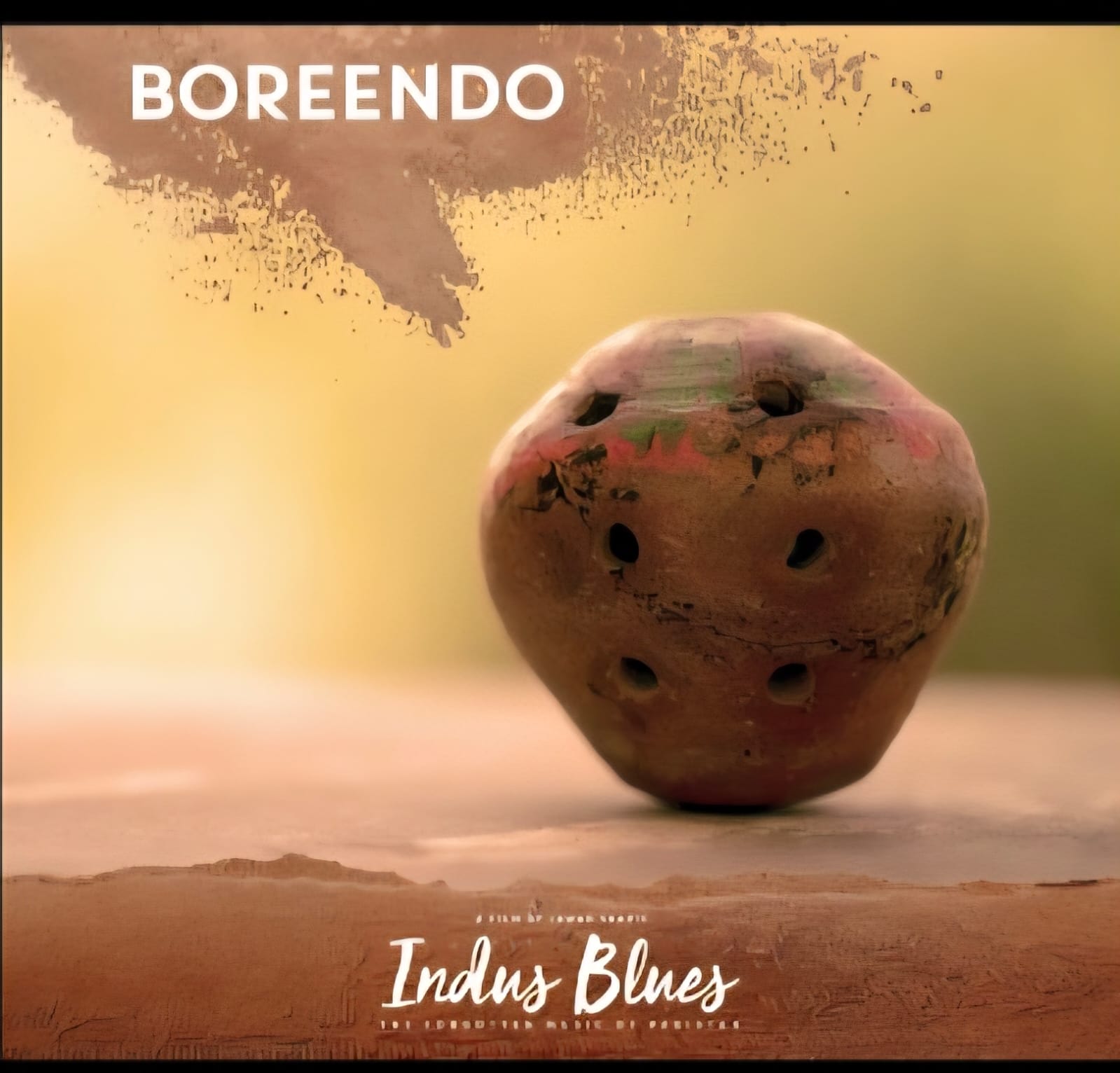
Nominated by the Sindh Government and supported by Lok Virsa, the national focal institution for Intangible Cultural Heritage, this recognition highlights one of the oldest known clay wind instruments, believed to be over 5,000 years old and rooted in the Indus Valley Civilization.
The Boreendo is a small, round clay instrument whose soft, earthy sound has echoed through winter gatherings, communal celebrations and village traditions for centuries.
Today, only one master musician, Ustaad Faqeer Zulfiqar, and one master craftsman, Allah Jurio, remain to keep this fragile art form alive.
Their knowledge reflects a living cultural memory one shaped by spirituality, craftsmanship and the everyday rhythm of Sindh’s ancestral communities.
UNESCO’s inscription supports a national safeguarding plan that focuses on training young artisans, introducing Boreendo music in both formal and informal education and creating meaningful economic opportunities for the communities of
Keti Mir Muhammad Lund.
These efforts aim to revive the craft, preserve the playing techniques and ensure that the tradition continues through new generations.
The Boreendo’s simple clay design carefully shaped, tuned and often decorated by the women of the village symbolizes resilience, sustainability and identity.
This recognition brings renewed hope, honouring the dedication of Pakistan’s cultural custodians and ensuring that the gentle breath of the Boreendo continues to tell the story of its people.