ISLAMABAD, Oct 13 (APP): Deputy Prime Minister/Foreign Minister Senator Mohammad Ishaq Dar, Tuesday, reaffirmed Pakistan’s steadfast commitment to global efforts aimed at mitigating disaster risk, vulnerability and socio-economic losses. He urged the international community to strengthen cooperation, technology transfer, and financing mechanisms to enable developing countries to mitigate and adapt to the accelerating impacts of climate change. In a message on the International Day for Disaster Risk Reduction, the DPM/FM …
DPM/FM reaffirms Pakistan’s commitment to global efforts at mitigating disaster risks, socio-economic losses
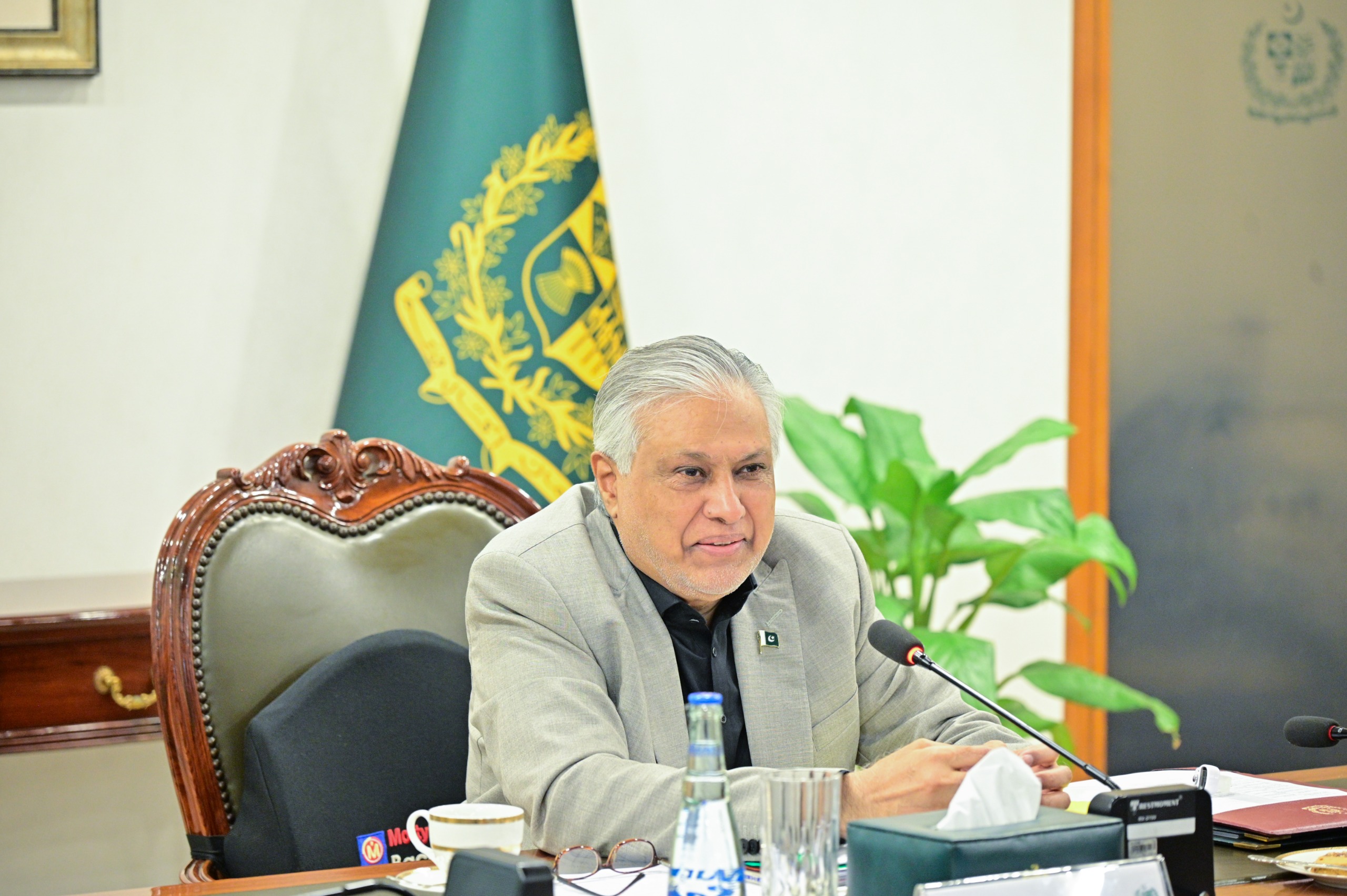
ISLAMABAD, Oct 13 (APP): Deputy Prime Minister/Foreign Minister Senator Mohammad Ishaq Dar, Tuesday, reaffirmed Pakistan’s steadfast commitment to global efforts aimed at mitigating disaster risk, vulnerability and socio-economic losses.
He urged the international community to strengthen cooperation, technology transfer, and financing mechanisms to enable developing countries to mitigate and adapt to the accelerating impacts of climate change.
In a message on the International Day for Disaster Risk Reduction, the DPM/FM stressed that reducing disaster risk is essential not only for humanitarian reasons but also for achieving and sustaining progress under the 2030 Agenda for Sustainable Development.
In recent years, he said Pakistan has endured the devastating impacts of climate-induced disasters, including recurring floods, accelerating glacial melt, droughts, heatwaves, and rising water stress. Intense rainfall over recent monsoon seasons, which resulted in the loss of lives and livelihoods, highlighted the disproportionate climate burden that Pakistan continued to bear despite contributing less than one percent of global Greenhouse Gas (GHG) emissions, he added.
Dar said these experiences had strengthened their resolve to focus on proactive, technology-driven, and inclusive disaster risk management.
“Guided by the National Disaster Risk Reduction Strategy 2025–2030, the Government of Pakistan is pursuing a multi-hazard approach that emphasizes prevention, preparedness, and resilience-building at the national and sub-national levels. Concrete actions, such as establishing strong national systems and introducing shock-responsive social protection initiatives, are being undertaken in this regard,” the Foreign Office Spokesperson, in a press release, quoted the DPM/FM as saying.
Aligned with the Sendai Framework for Disaster Risk Reduction (2015–2030), he further underlined that their policies prioritized strengthening early warning systems, integrating risk reduction into development planning, and leveraging innovation and technology to better anticipate and manage emerging risks.
As disaster risk management in shared river basins is inherently a transboundary challenge, its effectiveness depends on cooperation among riparian states, adherence to international law, and full respect for treaties and agreements in force, he maintained.
He also reaffirmed Pakistan’s solidarity with all nations in the collective responsibility to build a safer, more resilient, and sustainable world.