Health experts have called for improved access to mental healthcare in Pakistan, where an estimated 32.4 million people require mental health services
Doctors call for accessible mental healthcare in Pakistan
ISLAMABAD, Oct 10 (APP):Health experts have called for improved access to mental healthcare in Pakistan, where an estimated 32.4 million people require mental health services.
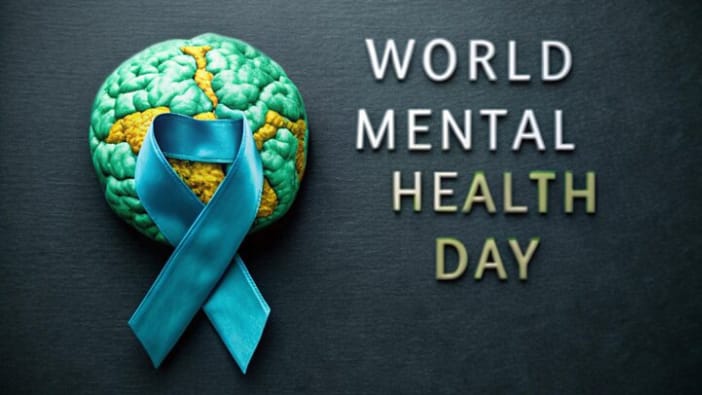
Marking World Mental Health Day on October 10, the experts stressed the need for patient-centred treatment, stronger community-based services and greater involvement of people with lived experience in decisions affecting their care.
Dr. Fareed Tahir, a senior psychiatrist, said people with mental health conditions should be treated as active participants in their recovery rather than passive recipients of treatment.
“People living with mental health conditions possess valuable knowledge about the challenges they face, the barriers they encounter and the support they need. Their experiences must inform the design of services and policies so that mental healthcare becomes more compassionate, accessible and effective,” he said.
Dr. Noman Sadaqat, a public health expert, emphasized the need to expand community-based services and reduce the stigma associated with seeking psychological or psychiatric assistance.
“Mental health services should be accessible beyond hospitals and specialized institutions. Community-level support, trained healthcare professionals, family counselling and referral systems can help people receive timely care while remaining connected to their families and communities,” he said.
Dr. Faiza Tasleem, a clinical psychologist, stressed that patients’ dignity, confidentiality and lived experiences must remain central to mental health programmes.
“Listening to people with lived experience is only the first step. Their participation must translate into practical action, including better-designed services, peer-support networks and stronger safeguards against discrimination. Every individual deserves to be treated with dignity and respect,” she said.
Pakistan’s mental healthcare challenges are compounded by a shortage of qualified professionals. The country has approximately 0.19 psychiatrists per 100,000 people, compared with an average of seven per 100,000 in high-income countries.
An official of the Ministry of National Health Services, Regulations and Coordination said the government had launched the National Mental Health Policy 2026–2035 to expand care for people in need.
The official said a mental health summit held in Islamabad on October 1–2 brought together around 800 in-person and online participants, including mental health experts, academics, policymakers and international development partners.
The summit focused on identifying evidence-based measures to advance the Comprehensive Mental Health Action Plan 2030, an international framework endorsed by all Member States of the World Health Assembly.
“Mental health is an emergency in Pakistan. We need to bring everyone together, including every ministry and every individual. Everybody has to play their role in order to create a safe and healthy space to live for the people of this country,” the official said.
He added that the national policy represented a shared commitment to bringing mental healthcare closer to families through practical measures in schools, primary healthcare facilities and communities, enabling people to access support early, with dignity and respect.