
ISLAMABAD, Feb 16 (APP):A reported capture of a snow leopard cub in Broz village, Lower Chitral, was clarified after wildlife experts confirmed the animal was in fact a leopard cat, officials said. Prompt verification by the Snow Leopard Foundation Pakistan and the Wildlife Department prevented public alarm and ensured the animal’s safety. Villagers alerted authorities on Feb 12, 2026, claiming they had captured a snow leopard cub. Given the species’ …
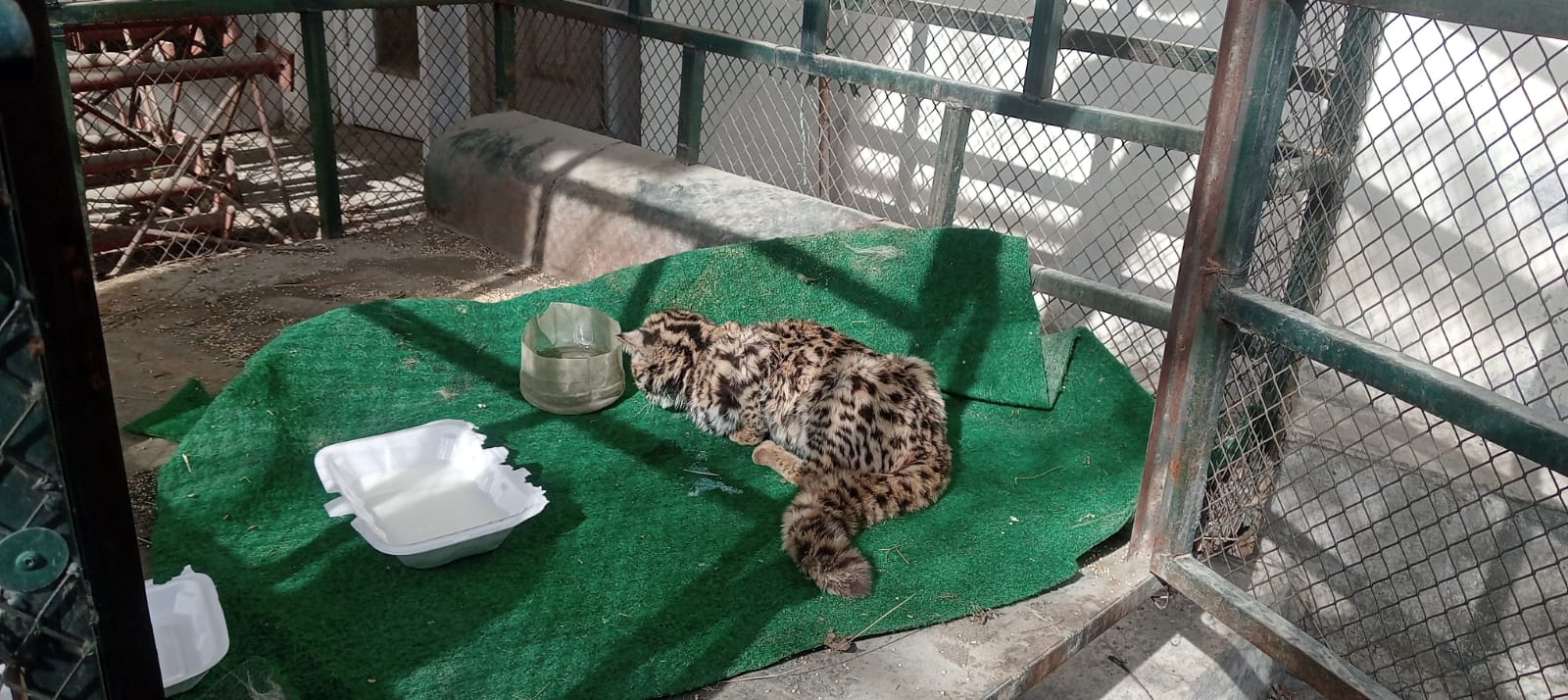
ISLAMABAD, Feb 16 (APP):A reported capture of a snow leopard cub in Broz village, Lower Chitral, was clarified after wildlife experts confirmed the animal was in fact a leopard cat, officials said.
Prompt verification by the Snow Leopard Foundation Pakistan and the Wildlife Department prevented public alarm and ensured the animal’s safety.

Villagers alerted authorities on Feb 12, 2026, claiming they had captured a snow leopard cub.
Given the species’ ecological importance in northern Pakistan, officials treated the report urgently.
Members of the Village Conservation Committee, wildlife watchers and field experts reached the site swiftly and conducted a physical examination, confirming the animal was a leopard cat rather than a snow leopard.

Officials transported the animal to the Veterinary Hospital in Chitral for medical assessment.
Veterinarians reported no fractures, injuries, or internal trauma, and described the animal as stable.
It received precautionary treatment and was later handed over to the Wildlife Division for continued monitoring.
Authorities said daily medical check-ups are ongoing and the animal is recovering well.
Once declared fully fit, it will be released at the original capture site to minimise stress and ecological disruption.
Conservationists note that although smaller than snow leopards, leopard cats play an important ecological role.
According to Dr Muhammad Ali Nawaz, Director of the Snow Leopard Foundation Pakistan, research shows leopard cats in northern Pakistan primarily feed on rodents, particularly species from the Muridae family, helping control crop pests and reduce disease risks in rural areas.
Studies analysing 38 faecal samples identified 18 prey species, including mammals, birds, amphibians and fish, indicating the species’ adaptability across diverse habitats — from temperate forests to dry mountain valleys.
However, habitat loss, hunting and illegal wildlife trade continue to threaten leopard cats across parts of Asia.
Experts emphasise the need for scientific monitoring, habitat protection and community awareness to support wildlife conservation. Modern DNA-based tools, they say, can improve understanding of predator diets and distribution, while public education can help prevent unnecessary capture of wild animals.
Officials said the Chitral incident underscores the importance of responsible reporting by communities and fact verification by authorities, noting that timely care and safe release of wildlife are essential for effective conservation efforts.