ISLAMABAD, Jun 25 (APP):Like other parts of the country, Islamabad is observing the sacred days of 9th and 10th Muharram with religious devotion and solemnity. Women in the federal capital are preparing food and refreshments for mourners participating in Muharram processions. They remain engaged in acts of devotion and community service, ensuring that the spirit of generosity and remembrance remains an integral part of Muharram observances. In homes, community centres, …
Capital’s women lead Muharram food distribution preparations
ISLAMABAD, Jun 25 (APP):Like other parts of the country, Islamabad is observing the sacred days of 9th and 10th Muharram with religious devotion and solemnity.
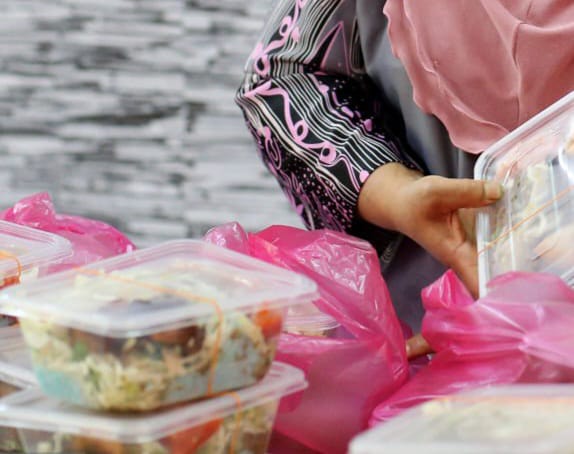
Women in the federal capital are preparing food and refreshments for mourners participating in Muharram processions. They remain engaged in acts of devotion and community service, ensuring that the spirit of generosity and remembrance remains an integral part of Muharram observances.
In homes, community centres, Imambargahs, and neighbourhoods, women are taking part of the distribution of tabarruk, meals, and drinking water, continuing a longstanding tradition associated with remembrance, charity, and public service during Muharram.
From preparing large quantities of rice, haleem, sweets, traditional dishes to arranging water, milk, and cold beverages for participants in processions, women remain at the forefront of these efforts. Many volunteer their time and resources days in advance to ensure the smooth distribution of food and refreshments on both the 9th and 10th of Muharram.
Across Islamabad and other major cities, including Rawalpindi, Lahore, Karachi, Peshawar, and Quetta, families have established sabeels (energizing drinks) along procession routes where volunteers, many of them women, help organize supplies and coordinate distribution activities.
Talking to APP, Rubina, a housewife, said preparations begin well before Muharram.
“Women in our family gather to cook food and prepare packets for distribution among mourners and needy people. It is a tradition passed down from one generation to another,” she said.
Another volunteer, Shazia Ahmed, told APP that women contribute in various ways, from cooking and packaging meals to managing logistics and ensuring hygiene standards. “Everyone participates according to their capacity. The purpose is to serve people and uphold the values of compassion and generosity associated with these sacred days,” she added.
Talking to APP, Ayesha, a religious scholar, said that acts of charity and service during Muharram reflect the universal lessons of sacrifice, patience, and humanity associated with the tragedy of Karbala.
She emphasized that providing food and water to others serves as a reminder of the hardships endured by Imam Hussain (A.S.), his family, and companions during the historic events of Karbala.
She believed that while public commemorations often focus on processions and majalis, the contributions of women behind the scenes remain equally significant. Their efforts help sustain a culture of service, solidarity, and compassion that accompanies Muharram observances across the country.
Market activity has also increased as households purchase essential ingredients, disposable utensils, and other supplies required for large-scale food preparation. Local vendors reported a rise in demand for rice, cooking oil, sugar, lentils, and beverages in the days leading up to Ashura.
Community organizers said special attention is being paid to cleanliness and food safety during preparation and distribution. Volunteers are also working in coordination with local authorities to facilitate smooth arrangements amid the large number of participants expected in processions and religious gatherings.