ISLAMABAD, Jun 13 (APP):Minister of State for Finance and Railways, Bilal Azhar Kiyani, said on Saturday that the Federal Budget 2026-27 was a public-oriented budget designed to provide relief to the salaried class, businesses, exporters, the construction sector, aspiring homeowners and vulnerable segments of society, while promoting economic growth, employment and higher purchasing power. Addressing a post-budget media briefing along with Finance Minister Senator Muhammad Aurangzeb, the minister said the …
Budget 2026-27 focused on relief, growth & public welfare: Bilal Kiyani
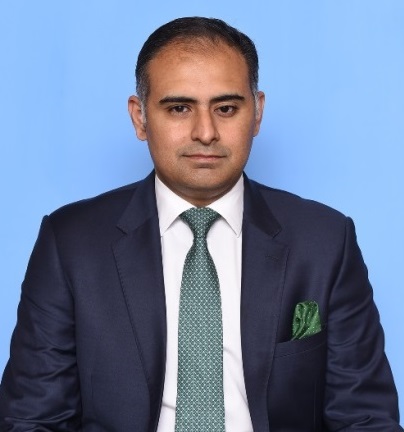
ISLAMABAD, Jun 13 (APP):Minister of State for Finance and Railways, Bilal Azhar Kiyani, said on Saturday that the Federal Budget 2026-27 was a public-oriented budget designed to provide relief to the salaried class, businesses, exporters, the construction sector, aspiring homeowners and vulnerable segments of society, while promoting economic growth, employment and higher purchasing power.
Addressing a post-budget media briefing along with Finance Minister Senator Muhammad Aurangzeb, the minister said the budget presented by Prime Minister Muhammad Shehbaz Sharif’s government reflected extensive consultations with stakeholders and fulfilled the government’s commitment to reducing the tax burden on the salaried class.
He said the government had consistently acknowledged that a limited number of taxpayers, particularly salaried individuals, were bearing a disproportionate share of the tax burden. Therefore, he added, whenever fiscal space became available, the government’s first priority was to provide relief to the salaried class.
Kiyani said the budget had substantially reduced the tax burden across various income categories, ensuring that individuals earning Rs 300,000, Rs 500,000, Rs 800,000, or even Rs 1.2 million per month would experience a meaningful reduction in taxes.
He said the relief measures announced by the finance minister, including reductions in minimum and overall taxes for exporters, abolition of the first six slabs of super tax and reduction of the super tax rate in the highest slab from 10 percent to 8 percent for income exceeding Rs500 million, addressed the key demands of exporters and the formal industrial sector.
The minister said Prime Minister Shehbaz Sharif had maintained regular interaction with the business community throughout the year and the measures announced in the budget were the outcome of consultations with exporters, industrialists and other stakeholders.
He said the government had not confined consultations to discussions alone but had translated the concerns and proposals of the business community into practical policy measures aimed at reducing the tax burden and facilitating economic activity.
Kiyani said the prime minister had held a detailed meeting with representatives of the Federation of Pakistan Chambers of Commerce and Industry (FPCCI) and chambers from across the country, including Lahore, Karachi, Quetta, Peshawar, Faisalabad and Sialkot, shortly before the budget.
He said representatives of various sectors, including exporters, small and medium enterprises (SMEs) and businesses operating in the border regions of Balochistan, had presented their concerns during the consultations, which the government had sought to address through the budgetary measures.
The minister said separate consultations had also been held with industry leaders, including the Pakistan Business Council, and the government had continued making policy adjustments throughout the year in response to stakeholder feedback.
He said the government was also benefiting from industry input regarding the new tax operating model of the Federal Board of Revenue (FBR) and administrative reforms aimed at improving the tax system.
Highlighting social sector measures, Kiyani said the budget had provided General Sales Tax (GST) exemptions on products related to women’s reproductive health and contraceptives, which were important for population management and public health objectives.
He said the budget had also extended GST exemptions to the shipping industry, noting that recent regional conflict had highlighted the strategic importance of maintaining a national shipping fleet.
The minister said export financing measures, allocations for housing initiatives and enhanced funding for the Benazir Income Support Programme (BISP) had also been incorporated into the budget.
He said the BISP, which supports more than ten million households and is largely focused on women beneficiaries, had received an increased allocation in the budget.
Kiyani said the budget reflected the government’s commitment to delivering the benefits of economic stabilization to the public, adding that after a difficult stabilization phase, the promised economic improvement had begun.
He expressed confidence that the measures announced in the budget would promote employment, industrial growth and exports while enhancing the purchasing power of the people across the country.