
From the killings in Bijbehara to subsequent allegations of abuses, the issue of accountability remains central to Kashmir’s continuing human rights concerns.
Bijbehara massacre: 33 years on, Kashmiri victims families still await justice
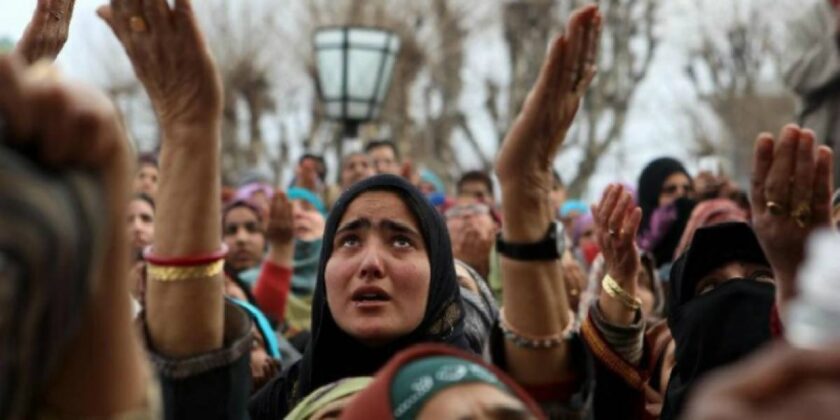
ISLAMABAD, Oct 22 (APP): Thirty-three years after the Bijbehara massacre of October 22, 1993, demands for justice and accountability remain unresolved, with the families of dozens of demonstrators killed in firing by Border Security Force personnel in the Indian Illegally Occupied Jammu and Kashmir continuing to seek justice for their loved ones.
On that Friday, between 10,000 and 15,000 demonstrators reportedly marched from the Jamia Masjid in Bijbehara, Anantnag district, toward the Srinagar-Jammu National Highway after prayers, protesting the siege of the Hazratbal shrine in Srinagar, where people had reportedly taken refuge since mid-October.
According to accounts of the incident, personnel of the 74th Battalion of the Border Security Force (BSF), under Deputy Commandant J.K. Radola, opened fire on the demonstrators at Gooriwan, surrounding them from three sides.
Amnesty International recorded at least 51 deaths and more than 200 injuries, while local accounts and subsequent tallies put the death toll between 40 and 43. Among those reportedly killed were 25 students, many of them teenagers.
The victims included 12-year-old Afroz Ahmad Zargar, 14-year-old Muhammad Ashraf Zargar, 15-year-old Altaf Hussain Sheikh, 17-year-old Abdul Rashid Vaid and 18-year-old Javed Ahmad Waza.
Accounts of the massacre described bodies lying on the highway as survivors struggled to escape the gunfire. Ghulam Qadir Rah was among those who reportedly crawled through the scene of the killings.
A magisterial inquiry, referenced as EN/BFC/93/23-24, reportedly described the firing as “absolutely unprovoked” and “deliberate and well-planned.” Thirteen BSF personnel faced charges in connection with the incident, but all were acquitted, according to the account.
The Mazar-e-Shuhada in Bijbehara continues to commemorate the victims, while demands for accountability remain unresolved.
The massacre is also cited in the broader context of allegations of human rights violations in Kashmir since 1989. Human Rights Watch, Amnesty International and the United Nations Office of the High Commissioner for Human Rights (OHCHR) have documented allegations of extrajudicial killings, custodial deaths and enforced disappearances in the region.
OHCHR reports published in 2018 and 2019 raised concerns about alleged unlawful killings by security forces and the lack of accountability, including issues linked to the Armed Forces (Special Powers) Act (AFSPA).
Kashmiri rights groups have placed the overall death toll since the uprising began above 96,000 and reported thousands of deaths in custody or alleged staged encounters. Estimates of enforced disappearances have ranged between 8,000 and 10,000.
Reports of custodial deaths and alleged fake encounters have continued after 2019, while demands for investigations and accountability remain unresolved.
From the killings in Bijbehara to subsequent allegations of abuses, the issue of accountability remains central to Kashmir’s continuing human rights concerns.