The Balochistan cabinet meeting, chaired by Chief Minister Mir Sarfraz Bugti, approved wide-ranging reforms aimed at strengthening economic development, education, health, industry, tourism, women’s protection, and public services.
Balochistan cabinet approves reforms in mineral fund policy, education, procurement transparency
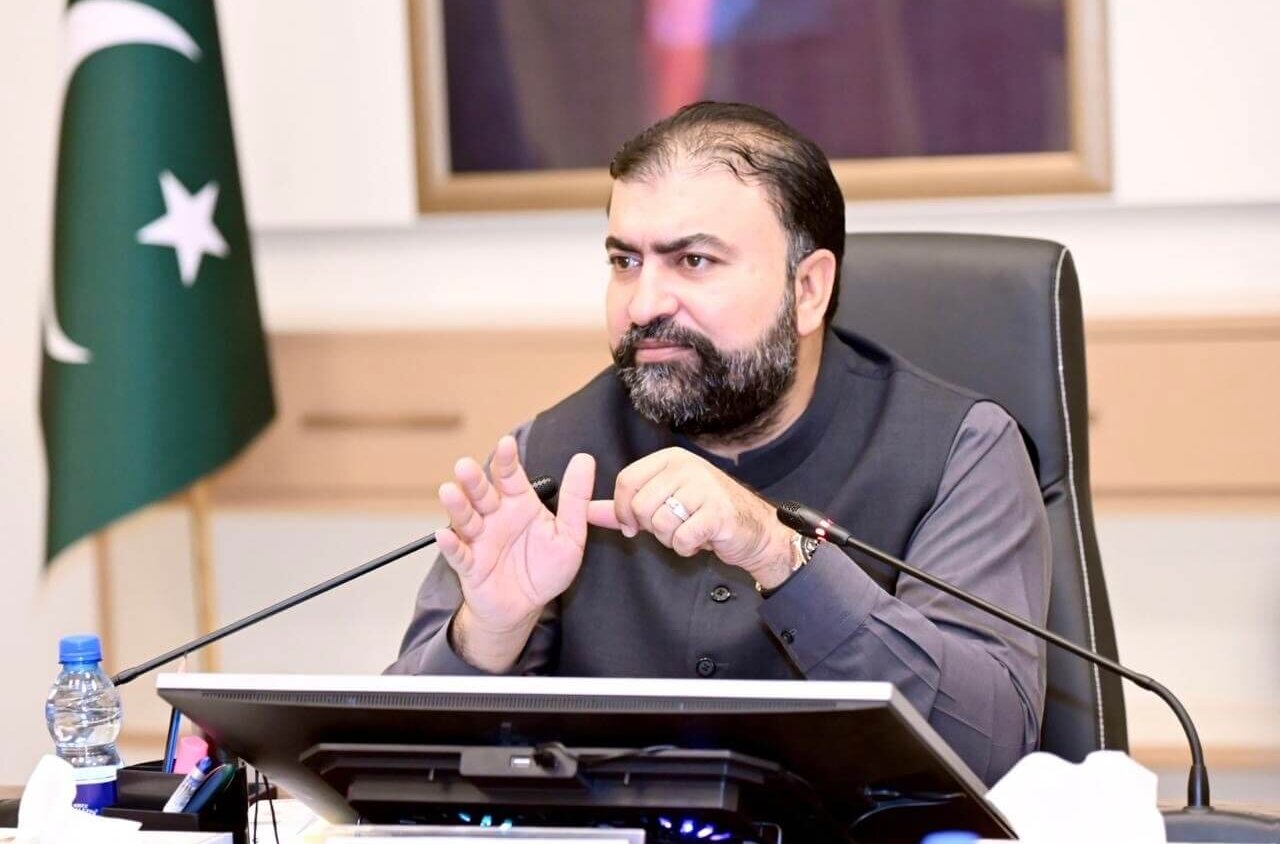
QUETTA, Oct 09 (APP):The Balochistan cabinet meeting, chaired by Chief Minister Mir Sarfraz Bugti, approved wide-ranging reforms aimed at strengthening economic development, education, health, industry, tourism, women’s protection, and public services.
The cabinet endorsed the policy for effective utilization of the Balochistan Mineral Development Fund, ensuring that financial benefits from natural resources are directed towards provincial development and public welfare. It also approved the draft Balochistan Tourism Policy and Cultural Policy to promote tourism, safeguard heritage, and create employment opportunities through cultural and natural assets.
In education, the cabinet passed the Balochistan Non-Formal Education Act 2025, targeting the enrollment of nearly 1.6 million out-of-school children aged 10 to 16. It also approved the introduction of double-shift schooling to maximize existing infrastructure and accommodate more students, alongside the reconstitution of the Balochistan Education Foundation’s board.
Industrial revival was prioritized with a policy to reactivate closed and non-functional units, offering financial support and incentives to generate investment and jobs. The cabinet also approved administrative adjustments to Quetta’s revenue boundaries, dividing North and South Quetta for improved governance and service delivery.
Health reforms included the interim appointment of Professor Abdul Razzaq as CEO of the Balochistan Institute of Kidney Diseases, pending open recruitment, and the passage of the Telemedicine and Remote Health Services Act 2026 to extend medical expertise to remote areas. The Public Health Act 2026 was also approved to strengthen the legal framework for healthcare delivery.
Women’s protection measures featured amendments to the Balochistan Commission on the Status of Women Act 2026 and the Shelter Homes and Dar-ul-Aman Administrative Control Act 2026. The Chief Minister directed the establishment of safe shelters for women at all divisional headquarters.
Urban development decisions included creating a public park and urban forest on Radio Pakistan land at Sariab Road under public-private partnership, relocating dairy farms outside Quetta to improve sanitation and urban health, and expanding public transport facilities.
The cabinet also approved the Ease of Doing Business Act 2026 to simplify business processes, amendments to the Motor Vehicle Ordinance 1965 regarding third-party insurance, and increased cost estimates for mechanized cotton cultivation projects to strengthen agriculture.
Significant reforms were introduced in public procurement. Amendments to the Balochistan Public Procurement Rules 2014 will expand electronic bidding, mandate e-tendering for contracts above Rs. 500,000, revise financial limits for petty purchases and quotations, abolish bid document fees, and streamline bid validity periods. The reforms aim to enhance transparency, competitiveness, and efficiency in government procurement.
According to Shahid Rind, Aide to the Chief Minister on Media and Political Affairs, the cabinet’s decisions mark a major step towards boosting economic activity, improving governance, and aligning provincial policies with public needs.
The provincial cabinet was informed that the proposed amendments to the Balochistan Public Procurement Regulatory Authority (BPPRA) rules had already been approved by the board, reviewed by the Law Department, and ratified by the Chief Minister. The cabinet formally endorsed these amendments, aimed at reducing unnecessary delays in routine and emergency procurements while ensuring transparency, financial discipline, and compliance with regulations.
For public convenience, the cabinet approved the issuance of e-domicile and local certificates through NADRA. The government’s proposed fee of Rs. 200 was abolished, meaning citizens will not have to pay this fee, though NADRA’s standard charges will still apply. This step is expected to reduce lengthy paperwork, eliminate repeated office visits, and minimize unnecessary waiting, allowing citizens to obtain domicile and local certificates directly from NADRA centers.
The cabinet also approved recommendations of the Home Department to redefine police station jurisdictions following the merger of Balochistan Levies into the police. The move aims to clarify boundaries so that citizens can approach the relevant police station without difficulty for complaints and legal matters.
Further decisions included the establishment of new judicial lock-ups in Uthal to provide proper facilities for detainees during court proceedings, and the formation of the Balochistan Prisons Policy Board to modernize prison management, introduce reforms, and improve inmate welfare.
In development planning, the cabinet approved policies for appointing project directors with revised remuneration packages, enabling the hiring of qualified professionals from the market to oversee large and complex projects. The goal is to strengthen monitoring, professional management, and timely execution.
The cabinet also endorsed draft amendments to the Balochistan Service Tribunal Act 1974 to align the tribunal’s legal and administrative framework with current requirements, thereby improving the handling of cases related to government employees.
Briefing the media, Shahid Rind, Aide to the Chief Minister on Media and Political Affairs, said the cabinet’s decisions reflect the government’s broader policy direction. He noted that alongside efforts to bring millions of children into education, expand school capacity, and strengthen non-formal learning, the government is legislating in health, promoting telemedicine, and activating specialized medical institutions.
He added that industrial revival, ease of doing business, effective use of mineral resources, promotion of tourism and culture, and modernization of agriculture are central to strengthening the province’s economic base. At the same time, reforms in women’s protection, establishment of local councils in new districts, simplification of domicile issuance, improvement of urban environments, and transparency in procurement are directly linked to public convenience and institutional strengthening.
Shahid Rind emphasized that the cabinet’s decisions under Chief Minister Bugti’s leadership demonstrate the government’s resolve to align policymaking with public needs, modern requirements, and practical reforms, ensuring that the benefits reach ordinary citizens across Balochistan.