PESHAWAR, Jul 30 (APP):Ayubia National Park, a protected area of 3,312 hectares located in Abbottabad District, has emerged as an effective platform for promoting eco-tourism while advancing the cause of forest and wildlife conservation in Pakistan. Every year, hundreds of thousands of tourists, students, trekkers and nature enthusiasts visit the park, particularly the scenic Pipeline Walking Track, where they experience the beauty of the Himalayan temperate forests and gain a …
Ayubia National Park emerges as hub for eco-tourism, forest, wildlife conservation
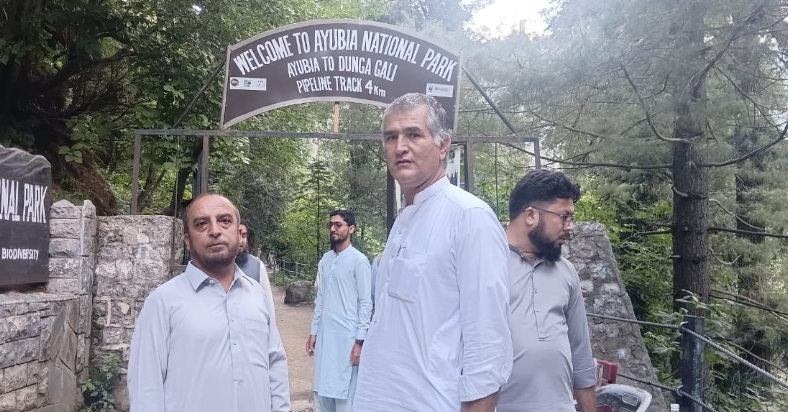
PESHAWAR, Jul 30 (APP):Ayubia National Park, a protected area of 3,312 hectares located in Abbottabad District, has emerged as an effective platform for promoting eco-tourism while advancing the cause of forest and wildlife conservation in Pakistan.
Every year, hundreds of thousands of tourists, students, trekkers and nature enthusiasts visit the park, particularly the scenic Pipeline Walking Track, where they experience the beauty of the Himalayan temperate forests and gain a deeper appreciation of nature.
“The park serves as a natural outdoor classroom, educating visitors about the ecological importance of forests in regulating the climate, conserving water resources, preventing soil erosion and sustaining biodiversity,” commented Sardar Muhammad Nawaz, DFO Ayubia National Park.
Talking to a group of journalists during an awareness tour to Northern Forest Region of Khyber Pakhtunkhwa, Sardar Nawaz shared that through interpretive signboards, awareness campaigns and interactions with wildlife officials, tourists are encouraged to adopt environmentally responsible practices, including avoiding littering, minimizing plastic waste and respecting wildlife habitats.
By combining recreation with environmental education, Ayubia National Park has become a model of sustainable eco-tourism, Nawaz remarked.
“It not only showcases the rich flora and fauna of the Galiyat region but also fosters public support for the conservation of forests and wildlife, reinforcing the message that protecting Pakistan’s natural heritage is a shared responsibility essential for the well-being of future generations”.
Nestled in the lush Galiyat region of Khyber Pakhtunkhwa, the park is attracting more than one million between 900,000 to 1200,000 tourists on annual basis, DFO Nawaz claimed.
Among the park’s most popular attractions is the scenic `Pipeline Walking Track’, a relatively easy trail stretching between Ayubia and Dunga Gali.
The track, built along an old water pipeline, winds through thick pine, fir and oak forests and offers spectacular views of the surrounding valleys.
The park also plays a crucial role in highlighting the rich biodiversity of the Galiyat region, which is home to numerous species of birds, mammals and plants, including the endangered leopard, barking deer, rhesus macaque and several pheasant species.
By exposing visitors to this natural wealth, Ayubia National Park fosters a greater appreciation for Pakistan’s protected areas and strengthens public support for wildlife conservation.
Sardar Nawaz apprised newsmen that Ayubia national park is protecting around 757 species of plants, 33 wild animals and more than 200 bird species.
Beyond its role in conservation and eco-tourism, Ayubia National Park has become an important centre for academic research and scientific learning.
The park provides an ideal natural laboratory for researchers studying forest ecology, biodiversity, wildlife behaviour, climate change and ecosystem conservation.
Each year, the protected area facilitates field research for around 42 PhD and MPhil scholars from universities across Pakistan.
Eco-tourism at Ayubia National Park also contributes to the local economy by generating employment and business opportunities for nearby communities through hotels, restaurants, transport services, guides and handicraft shops.
By linking conservation with sustainable livelihoods, the park demonstrates that protecting nature and promoting responsible tourism can go hand in hand, benefiting both the environment and local residents.