
ISLAMABAD, Jan 07 (APP):Pakistan has moved around 3,000 newly developed wheat lines into field evaluation after accelerating early-stage breeding through a speed breeding facility. Dr Zahid Mahmood, Program Leader of Wheat Program at the National Agricultural Research Centre (NARC), told Wealth Pakistan that the wheat lines have been developed since the launch of the facility in 2022 and are now undergoing field evaluation. “These wheat lines were developed using controlled-environment …
3,000 new wheat lines enter field trials in Pakistan
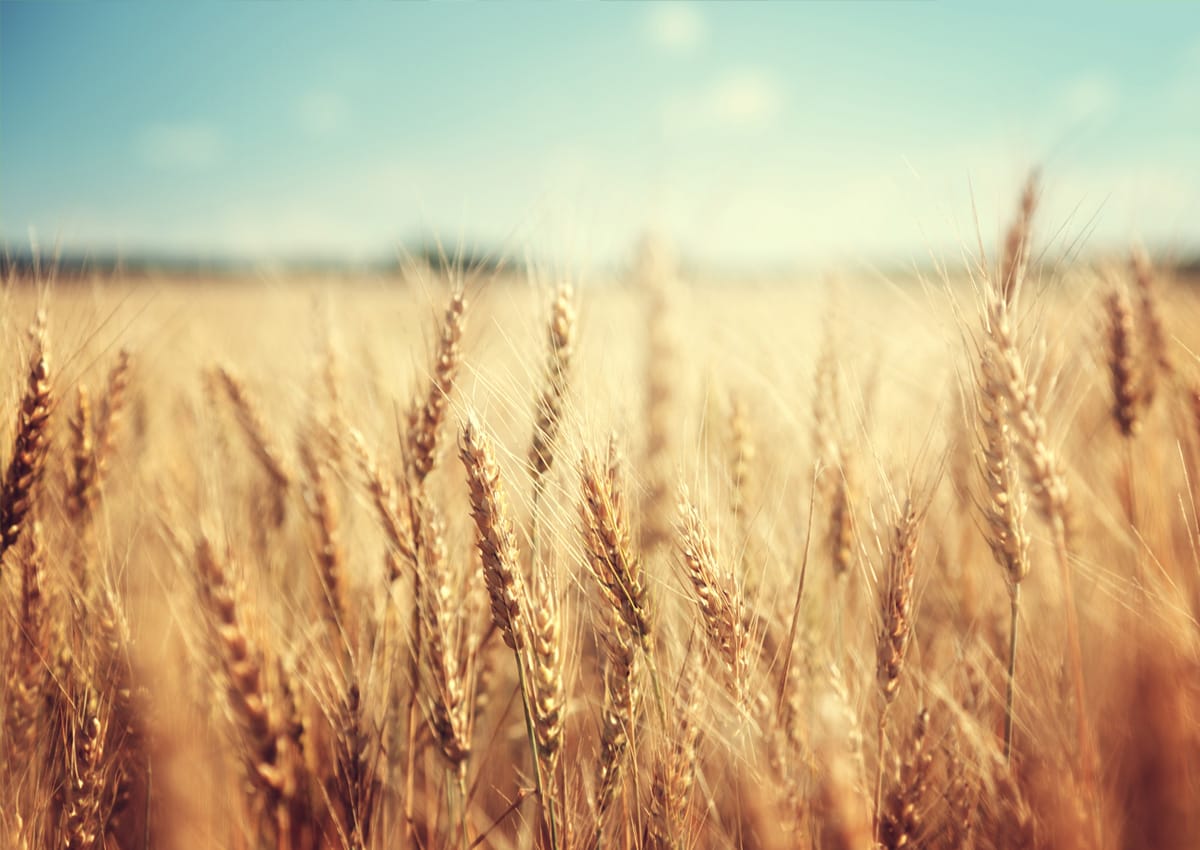
ISLAMABAD, Jan 07 (APP):Pakistan has moved around 3,000 newly developed wheat lines into field evaluation after accelerating early-stage breeding through a speed breeding facility.
Dr Zahid Mahmood, Program Leader of Wheat Program at the National Agricultural Research Centre (NARC), told Wealth Pakistan that the wheat lines have been developed since the launch of the facility in 2022 and are now undergoing field evaluation.
“These wheat lines were developed using controlled-environment speed breeding techniques,” he said, adding that the facility allows scientists to significantly reduce the time required for early-stage variety development.
Dr Zahid explained that under conventional breeding methods, developing a wheat variety takes between 12 and 15 years because eight generations must be completed in open-field conditions. “With this controlled environment, we can complete a generation in just two months and develop a new variety within seven to eight years,” he said.
He said the facility is the first purpose-built wheat speed breeding centre in Pakistan and the first of its kind in South Asia. Inspired by concepts used in space science, the centre provides a fully controlled environment that replaces years of field-based generation advancement.
“Normally, completing seven to eight generations takes nearly eight years in open fields,” he said. “Here, we can achieve the same in just one to one-and-a-half years.”
According to Dr Zahid, after two years of field evaluation, the best-performing wheat lines will be entered into national trials, which is a mandatory step before the release of new wheat varieties.
He said the programme has already delivered tangible outcomes, noting that the development of around 3,000 wheat lines would otherwise have taken several years using conventional methods.
Dr Zahid said the facility has also emerged as a regional hub for capacity building. Pakistan, as a pioneer of speed breeding in the region, has trained between 250 and 300 scientists and postgraduate students from within the country and abroad.
“Our collaboration extends beyond Pakistan,” he said, adding that the programme has worked closely with Central Asian countries and supported the establishment of the first speed breeding facility in Kazakhstan.
He noted that the speed breeding technology was originally developed in 2018 by the University of Queensland, Australia, where he was introduced to the concept during his doctoral research. Pakistan later adapted the system with technical support from Australian scientists.
Dr Zahid said the programme also integrates advanced tools, including machine learning, artificial intelligence, drones and multispectral sensors, to improve the speed and precision of crop evaluation.
“When breeding material is tested, we use drones and remote sensing technologies for rapid and accurate assessment,” he said, adding that these tools help reduce evaluation time while improving data quality.
He said the facility also serves as a research and training platform for MPhil and PhD scholars, strengthening Pakistan’s scientific and human resource capacity.
The speed breeding centre has been developed under a government-funded Public Sector Development Programme and forms part of broader efforts to modernise wheat research in the country.