PESHAWAR, Aug 27 (APP):Technical Advisory Committee, reviewing the proposed Khyber Pakhtunkhwa HIV Prevention, Treatment, Care and Protection Bill, 2026, has called for a more focused law that protects the rights and dignity of people living with HIV while integrating the provincial HIV response within the existing public health system. The committee was constituted in pursuance of the directives of Health Minister KP, Khaliq-ur-Rehman. The meeting organized by Khyber Pakhtunkhwa Commission …
Technical Advisory Committee calls for streamlined HIV legislation in Khyber Pakhtunkhwa
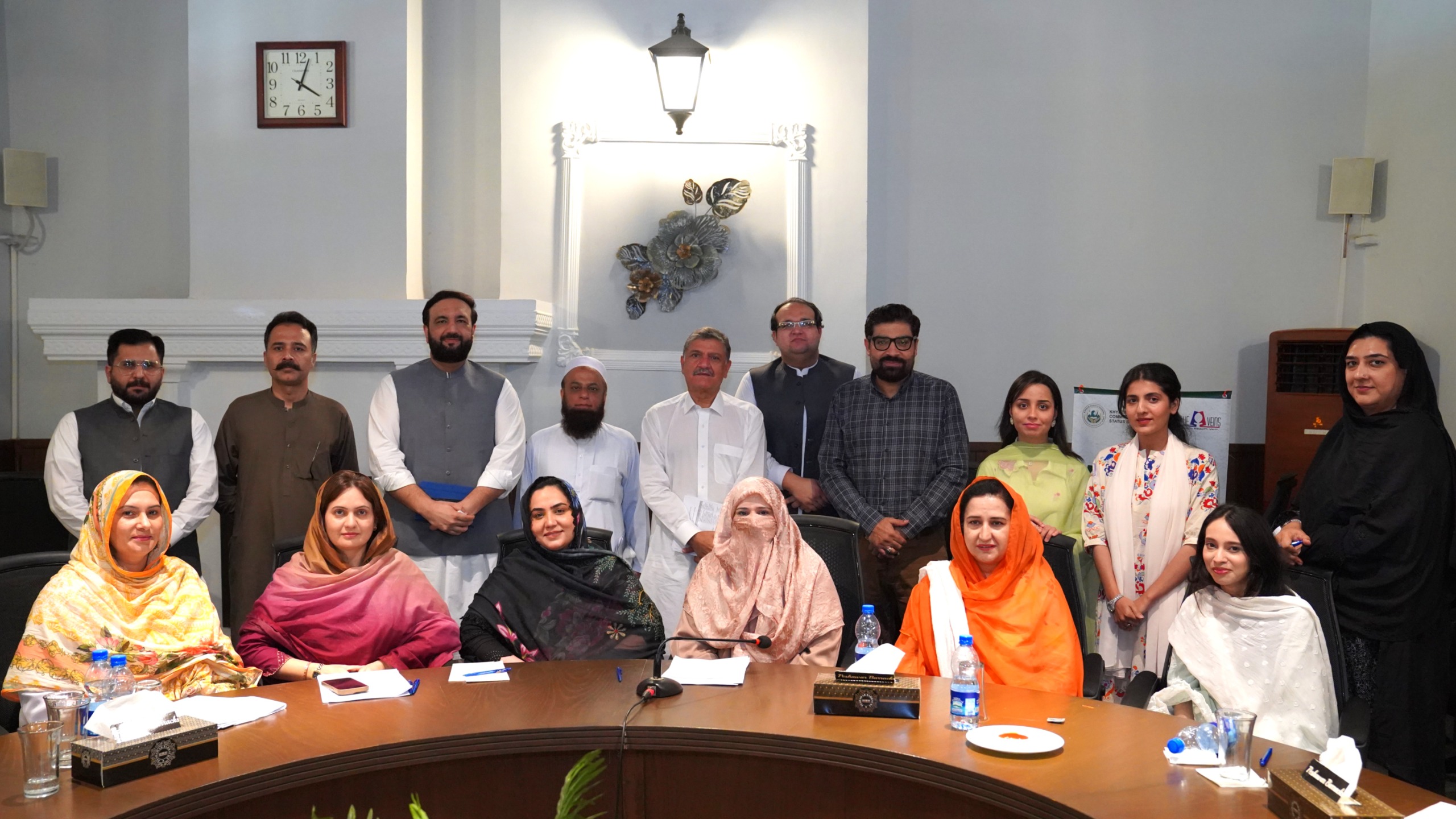
PESHAWAR, Aug 27 (APP):Technical Advisory Committee, reviewing the proposed Khyber Pakhtunkhwa HIV Prevention, Treatment, Care and Protection Bill, 2026, has called for a more focused law that protects the rights and dignity of people living with HIV while integrating the provincial HIV response within the existing public health system.
The committee was constituted in pursuance of the directives of Health Minister KP, Khaliq-ur-Rehman.
The meeting organized by Khyber Pakhtunkhwa Commission on the Status of Women (KPCSW) with technical assistance from Blue Veins, was chaired by Dr. Sumera Shams, Chairperson KPCSW.
Dr. Sumera Shams said the proposed legislation must combine effective public health measures with strong rights protections.
“An effective HIV law must protect dignity, confidentiality and equality while creating an institutional framework that can work within the existing health system. Our objective is to develop legislation that is practical, rights-based and capable of effective implementation,” she said.
The Bill seeks to establish a provincial framework for HIV prevention, testing, treatment, care and support and to protect
the dignity, privacy and rights of people living with or affected by HIV.
Yumna Aftab, Senior Program Officer at Blue Veins, presented its salient features, including informed consent, confidentiality, non-discrimination, access to essential HIV services, continuity of treatment, surveillance and accountability.
Qamar Naseem, Program Manager at Blue Veins, presented comments received from the Provincial HIV/AIDS Control Programme and Technical Advisory Committee members, including Dr. Shahid Yunas, Shazia Atta, Rehana Ismail and Shaiza Themas.
Two response matrices were developed linking each recommendation with the relevant provision of the Bill, status of integration, revision made and rationale.
The draft was then reviewed in detail, with discussion focusing on institutional arrangements, informed consent, confidentiality and disclosure, treatment access, stigma and discrimination, surveillance, regulatory responsibilities and implementation.
Dr. Tariq Hayat, Director of the Provincial HIV/AIDS Control Programme, said integration was critical for sustainability.
“HIV prevention and treatment cannot operate in isolation from the broader public health system. The legislation should strengthen continuity of essential services and establish clear coordination with the Directorate General Health Services and other relevant institutions,” he said.
The Committee emphasized that the HIV Prevention and Control Programme should be integrated within the Directorate General Health Services rather than function as a separate or parallel structure. Earlier technical review had already resulted in removal of the proposed separate HIV/AIDS Wing.
In a joint statement, Members of Provincial Assembly (MPAs) Shaiza Themas and Rehana Ismail said: “People living with HIV must be able to access health care, education, employment and public services without stigma or discrimination. The law must also be clear, workable and consistent with the province’s existing legal and health systems.”
The Committee further recommended that the Bill be cross-checked with the Khyber Pakhtunkhwa Public Health Act, the KP Health Care Commission Act and other relevant legislation and policies to avoid overlap and ensure legal harmony.
Qamar Naseem Program Manager said, “Every substantive comment has been documented, considered and linked to the relevant provision of the Bill. The next step is to produce a more concise and legally coherent draft while ensuring that the rights, dignity and essential protections of people living with and affected by HIV remain at the centre of the legislation.”
It was agreed that the Bill would undergo another round of technical revision before formal legal vetting.