The streets of Peshawar on Friday transformed into a vibrant tapestry of food aromas, colours and community spirit during Iftar
Pakora, Baryani stalls attract Peshawarties for Iftar parties
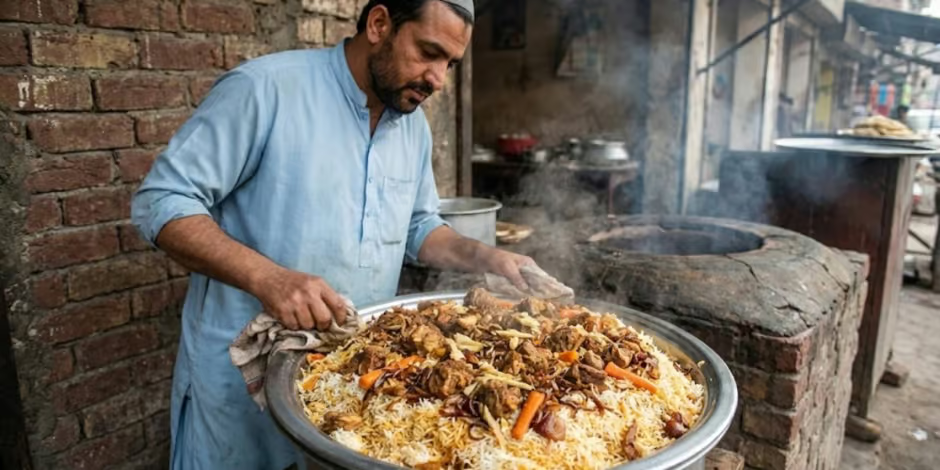
PESHAWAR, Mar 13 (APP): The streets of Peshawar on Friday transformed into a vibrant tapestry of food aromas, colours and community spirit during Iftar
From the historic lanes of Qissa Khwani Bazaar to the bustling corners of Hashtnagri and Ghanta Ghar, food stalls have become lively gathering points for Rozadars preparing to break their fast besides taking parcels for their families at home.
As sunset approaches, the sizzle of oil in giant woks competes with eager customers at Qissa Khwani and Namak Mandi.
Golden-brown pakoras are lifted fresh from bubbling cauldrons, trays of kajoor (dates) are stacked high, and the smoky fragrance of chappli kabab drifts through the evening air following recent rains.
Pakora which is a beloved fried snack made from onions, potatoes, spinach, chicken and cauliflower dipped in spiced gram flour batter remains the undisputed star of Iftar. Vendors said demand surges sharply on the first day of fasting, with families buying in bulk to share at home or send as gifts.
“Iftar feels incomplete without pakora and kajoor,” says Riaz Khan, a retired Education Department employee, while waiting at a stall at Namak Mandi Peshawar.
“A few pakoras and dates are enough for me. It’s simple, filling and full of energy.”
Different varieties such as potato, palak, onion and gobhi pakora are neatly arranged on newspaper-lined counters.”
Served with tangy chutney or ketchup, the snack cuts across age and income groups, equally cherished in rural and urban households.
Across Khyber Pakhtunkhwa, bazaars are witnessing hectic buying as Iftar time nears. Alongside pakora and kajoor, stalls selling kachalo, dahi bhalay, jalebi and achar are doing brisk business.
Peshawar’s famed sri paye, haleem and beef rice polao are also in high demand for home delivery.
However, customers note a price increase this year. Pakoras are selling at Rs350–400 per kilogram, up from Rs300 last Ramazan. Vendors attribute the hike to rising costs of flour, vegetables, cooking oil, transportation and labour.
Shopkeepers insist the business remains accessible. “With an investment of around Rs30,000, anyone can start a pakora stall,” says one vendor Waris Khan, describing it as a low-risk, profitable seasonal venture.
Meanwhile, Uzair Khan, a date trader, says he has brought special stocks from Dera Ismail Khan and Panjgur in Balochistan to meet Ramazan people demand.
“Transportation costs are high, but people want quality kajoor for Iftar,” he added.
Beyond commerce, the exchange of food defines the spirit of Ramazan. Fayaz Khan, a retired teacher from Nowshera, purchased two kilograms of pakora and kajoor to take to his daughter’s home in Peshawar.
“Sharing food increases love and warmth,” he said. “Ramazan teaches patience and generosity. We must also remember the underprivileged.”
The tradition of sending Iftar dishes to relatives and neighbors strengthens community bonds, turning simple snacks into symbols of affection and unity.
To protect consumers from overcharging, local authorities have stepped up monitoring and ACs searched food stalls. According to district officials, price magistrates and assistant commissioners are conducting market visits to ensure vendors display official rate lists and comply with government prices.
Shopkeepers have been warned against profiteering, with strict action promised for violations.
As the call about to Maghrib prayer echoes through Peshawar’s mosques, the city pauses for Iftar. Families gather around dastarkhwans laid with pakoras, kajoor and steaming dishes.
In that shared moment of gratitude and relief, the humble street stalls of Khyber Pakhtunkhwa become more than places of trade rather they become the heartbeat of Ramazan.