In a landmark step for indigenous peoples’ rights and minority protection, the Khyber Pakhtunkhwa Provincial Assembly has passed the Khyber Pakhtunkhwa Kalash Marriage Bill, 2026, making it Pakistan’s first comprehensive family law enacted specifically for an indigenous community.
KP assembly passes Pakistan’s first indigenous family law for Kalash Community
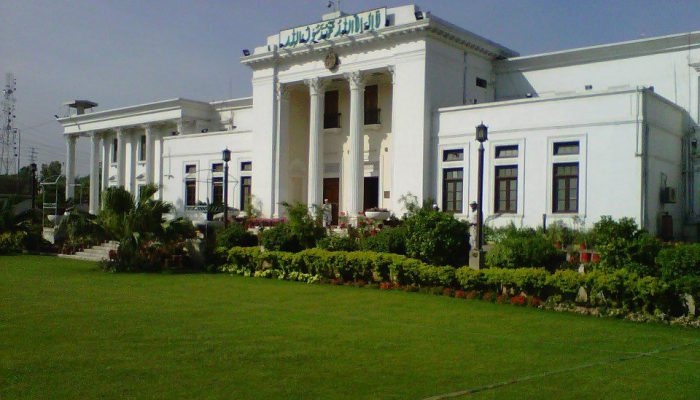
PESHAWAR, Jul 21 (APP): In a landmark step for indigenous peoples’ rights and minority protection, the Khyber Pakhtunkhwa Provincial Assembly has passed the Khyber Pakhtunkhwa Kalash Marriage Bill, 2026, making it Pakistan’s first comprehensive family law enacted specifically for an indigenous community.
The legislation provides, for the first time, a statutory framework for the solemnization, registration and dissolution of Kalash marriages while preserving the community’s centuries-old customs and traditions.
The legislation traces its origins to Mr. Wazirzada, the first Kalash Member of the Khyber Pakhtunkhwa Assembly and currently Focal Person to the Chief Minister on Minority Affairs, who initially introduced it as a Private Member’s Bill.
Recognizing its importance, the Local Government, Elections and Rural Development Department, Government of Khyber Pakhtunkhwa, later adopted it as an official Government Bill and steered it through the legislative process.
The law comes at a particularly significant time. Earlier this year, the Kalasha Valley Cultural Landscape was included on United Nations Educational, Scientific and Cultural Organization’s (UNESCO) World Heritage Tentative List, reflecting Pakistan’s efforts to secure international recognition for one of the world’s oldest living indigenous cultures. The new legislation complemented those efforts by providing legal protection to the family life and customary marriage practices of the Kalash community while preserving its unique cultural identity.
For generations, Kalash marriages were conducted according to customary traditions but without a dedicated statutory legal framework. The absence of formal registration often created challenges in proving marital status, accessing public services, securing inheritance rights and obtaining official documentation.
With the enactment of this law and once the implementing rules are notified within 120 days, the era of unregistered marriages in the Kalash valleys is expected to end, ensuring that every Kalash marriage will be formally registered and legally recognized.
The Act makes registration of Kalash marriages mandatory, establishes 18 years as the minimum age of marriage, requires the free consent of both parties, prohibits marriages within prohibited degrees of relationship, legally recognizes Kalash customary marriage ceremonies, validates previously solemnized marriages and provides legal procedures relating to marriage registration, dissolution, custody and penalties for violations.
Sharing his views Wazirzada, Focal Person to the Chief Minister on Minority Affairs, said, “This is a historic day for the Kalash community. For the first time, our marriages and family traditions have received formal legal recognition while preserving our cultural identity. This law will strengthen the rights and dignity of future generations of Kalash people.”
Rizwan, Provincial Coordinator, National Commission for Human Rights (NCHR), Khyber Pakhtunkhwa, said, “The Kalash Marriage Act is a significant milestone for minority and indigenous rights in Pakistan. It demonstrates that protecting cultural traditions and strengthening legal rights can go hand in hand within a constitutional framework.”
Qamar Naseem, Program Manager, Blue Veins, who drafted the Bill and provided pro bono technical assistance to the Local Government, Elections and Rural Development Department, Government of Khyber Pakhtunkhwa, said, “This legislation closes a decades-old legal gap for the Kalash community. By legally recognizing marriages while respecting customary traditions, it strengthens protection for women, children, and families and establishes an important precedent for indigenous rights in Pakistan.”