PESHAWAR, Sep 23 (APP):n a major conservation measure aimed at safeguarding migratory waterfowl, protecting biodiversity, and preserving the province’s fragile natural habitats, the Wildlife Department, Khyber Pakhtunkhwa, has issued comprehensive regulations for the 2026–27 waterfowl hunting season, introducing stringent controls on hunting activities across the province. Latif Ur Rehman, spokesperson for the climate change, forestry, environment & wildlife department KP said under an official notification issued by Chief Conservator of …
Hunting in 53 critical wildlife areas banned as KP tightens waterfowl hunting rules
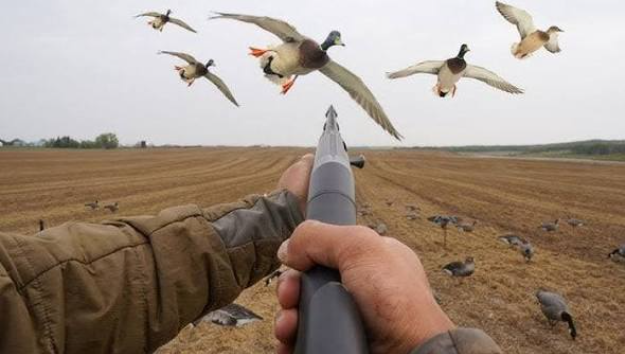
PESHAWAR, Sep 23 (APP):n a major conservation measure aimed at safeguarding migratory waterfowl, protecting biodiversity, and preserving the province’s fragile natural habitats, the Wildlife Department, Khyber Pakhtunkhwa, has issued comprehensive regulations for the 2026–27 waterfowl hunting season, introducing stringent controls on hunting activities across the province.
Latif Ur Rehman, spokesperson for the climate change, forestry, environment & wildlife department KP said under an official notification issued by Chief Conservator of Wildlife, Khyber Pakhtunkhwa, Dr. Mohsin Farooq, hunting of waterfowl will be permitted only until 31 December 2026, and that too strictly in accordance with the prescribed terms and conditions.
At the same time, 53 important wetlands, wildlife areas and ecologically sensitive habitats across Khyber Pakhtunkhwa have been declared completely closed to hunting, reflecting the Department’s continued emphasis on the protection of migratory species and their natural habitats.
He said, every autumn and winter, migratory waterfowl undertake remarkable journeys across vast distances and international boundaries before arriving in the rivers, lakes, reservoirs, wetlands and other natural habitats of Khyber Pakhtunkhwa.
These seasonal visitors are not merely a beautiful expression of nature; they are an integral part of the ecological system and contribute to the health and balance of wetland ecosystems.
Their presence also reflects the continuing vitality of the natural landscapes that provide them with food, shelter and breeding and resting grounds.
Recognising this ecological significance, the wildlife department has accorded particular importance to the conservation of migratory birds, monitoring of their populations and protection of the habitats upon which their survival depends.
Under the notified regulations, hunting of specified waterfowl species, including Northern Pintail, Common Teal, Mallard, Gadwall, Eurasian Wigeon, Garganey, Shoveler, Common Pochard, White-eyed Pochard, Tufted Duck, Eurasian Coot, Golden Plover, Grey Plover, Eastern Golden Plover, Eurasian Curlew and Snipe, will only be allowed in accordance with the prescribed legal procedure and within the limits established by the wildlife department.
As part of the conservation regime, the Department has declared 53 locations across the province completely closed to waterfowl hunting. These include major dams, lakes, river stretches, game reserves, wildlife sanctuaries, conservancies, wetlands and other sensitive natural habitats. Among the designated no-hunting areas are Tanda Dam in Kohat; Sharkai Dam, Teri and Zebdi Dam in Karak; Ghol Dam, Latamber Dam and Changhoz Dam; Manda Dam in Lower Kurram; Mali Khel Dam in Upper Kurram; Shin Kach Dam in Upper South Waziristan; Spin Dam, Gandi Ali Dam, Ghrozandi Dam and Darmalik Dam in Kohat; Warsak Dam and its catchment area; Jarboba Dam in Khyber; Kundar Dam in Kohat; Mohmand Dam; Basha Dam in Kohistan; designated stretches of the Indus River; Pezu Dam in Lakki Marwat; Raghan Dam and Tali Dam in Bajaur; Koto Hydropower Project Dam; Saldagai Lake in Upper Dir; Talao Lake Zakhana; Banshah Lake in Lower Dir; Dawa Toi Nullah in Upper South Waziristan; Ansoo Lake in Naran; Shandur Lake in Upper Chitral; designated sections of Shisham and river valleys; Chashma Lake; specified areas of the Indus Game Reserve; Kurram River; Tochi River; Mailward Dam and Dubair Khwar, along with other ecologically sensitive areas.
The notification further places several stretches of major waterways, including the Swat, Panjkora, Chitral and Indus rivers, outside the scope of hunting, while protected areas such as Kabalgram Game Reserve, Mankiyal Conservancy, Kalam Conservancy, Bashar Gol Biosphere Reserve, Tirich Koh Conservancy and Gomal Zam Conservancy have also been declared exempt from hunting. These restrictions are intended to provide secure refuge to migratory birds in areas of particular ecological importance and to ensure that the province’s most sensitive habitats remain protected from hunting pressure.
The new regulations also restrict legal waterfowl hunting to Fridays, Saturdays and Sundays, making a valid Small Game Shooting Licence mandatory for hunters.
No special permit for waterfowl hunting will be issued to any person who does not possess a valid shooting licence. The annual fee for a Small Game Shooting Licence has been fixed at Rs. 5,000, while the Special Duck Hunting Fee has been prescribed at Rs. 100 per day per gun. In addition, a strict daily bag limit of five ducks per gun has been prescribed, and exceeding the specified limit will not be permitted under any circumstances.
The wildlife department has also imposed clear restrictions on hunting hours. Waterfowl hunting will not be permitted before the first light of dawn, while all hunting activities must cease before sunset. Hunting after sunset is strictly prohibited. The use of electronic devices for hunting waterfowl has also been completely prohibited, while hunters will not be allowed to imitate bird calls or use call birds to attract migratory waterfowl.
The department has directed its field formations to take immediate legal action against violations of the notified regulations. Any person found hunting within any of the 53 areas declared closed to hunting will face action under the relevant wildlife laws. Wildlife staff will also maintain continuous surveillance of bird populations and hunting activities during the season, and where ecological conditions, population trends or conservation requirements warrant, hunting may be suspended or further restricted.
In case of violations, legal proceedings will be initiated under the relevant provisions of the Khyber Pakhtunkhwa Wildlife and Biodiversity (Protection, Preservation, Conservation and Management) Act, 2015, as well as other applicable rules and government notifications.
The department has made it clear that the licensing of hunting does not provide unrestricted freedom to hunt; rather, it establishes a regulated framework intended to balance lawful recreational activity with the long-term conservation of wildlife.
The wildlife department has urged hunters to recognise that responsible hunting begins with respect for the law, the prescribed limits and the ecological value of wildlife. Hunters will be required to comply fully with all restrictions relating to designated areas, authorised days, hunting hours, species and daily bag limits.
A fee of Rs. 2,000 for a Greyhound Dog and Rs. 800 for a Pointer Dog, per dog, will also be applicable subject to the prescribed approval. Where wildlife is harmed or prescribed hunting limits are exceeded, fines, compensation and other legal measures may be imposed in accordance with the law and relevant government orders.
The spokesman has emphasised that migratory waterfowl are not simply objects of sport or hunting; they are a living and irreplaceable part of the province’s natural heritage. Their protection is inseparably linked with the protection of the rivers, lakes, wetlands, reservoirs and other natural ecosystems that sustain them.
Every autumn and winter, these birds return after travelling thousands of kilometres across landscapes and borders, following an ancient rhythm that nature has preserved for generations. Their migration is a silent passage between continents, connecting distant ecosystems through a remarkable cycle of life. To provide these travellers with safe habitats and protected skies is therefore not merely an environmental obligation but a collective responsibility towards nature and future generations.
Chief Conservator of Wildlife has directed all wildlife officers and field staff to ensure strict implementation of the notified regulations throughout the hunting season and to remain vigilant against illegal hunting.
The Department will also seek the cooperation of law-enforcement agencies, particularly the Police, in preventing violations and taking effective action against illegal hunters.
All concerned wildlife officers have further been instructed to conduct awareness campaigns among local hunters and communities regarding hunting regulations, prohibited areas, legal limits and wildlife conservation so that enforcement may be strengthened through public awareness and community participation.
The department reiterated its commitment, in accordance with the special directions of Advisor to the Chief Minister Pir Musawir Khan Ghazi, to the protection of the province’s natural resources, wildlife and biodiversity. The department has reaffirmed that the conservation of wildlife and natural ecosystems will remain a priority and that violations of wildlife laws will continue to be dealt with strictly and without discrimination.
For the migratory birds that arrive in Khyber Pakhtunkhwa after crossing mountains, rivers and borders, the province is more than a seasonal stopover—it is a sanctuary in their long journey. Protecting their skies today means preserving the natural heritage of tomorrow.