The Gandhara Hindko Board has shifted to digital printing to continue literary and cultural activities as the Khyber Pakhtunkhwa government has not provided funding to the literary and cultural organisation for the last four years, an official said.
Gandhara Hindko Board shifts to digital printing after funding cuts
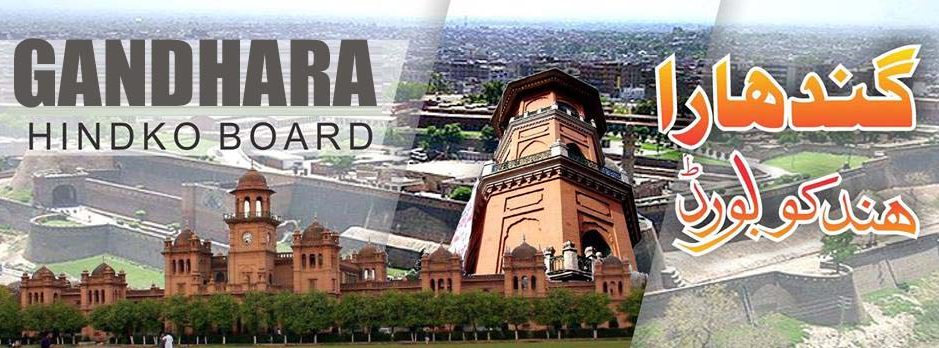
PESHAWAR, Aug 09 (APP): The Gandhara Hindko Board has shifted to digital printing to continue literary and cultural activities as the Khyber Pakhtunkhwa government has not provided funding to the literary and cultural organisation for the last four years, an official said.
“Despite the absence of government funding, we have continued our academic and research activities, particularly those aimed at promoting native languages,” said the organisation’s General Secretary, Muhammad Ziauddin, while speaking at a function held at the board’s office at Rampura Gate.
A press release issued on Sunday quoted him as saying that the board had continued research and academic work after being deprived of government financial support beyond June 30, 2022.
“The board is currently engaged in various research projects and is working to develop and preserve the languages of the region, including Hindko and other local languages,” said Ziauddin, a Hindko writer, poet and research scholar specialising in documentation.
He said the board was making efforts to strengthen its research infrastructure and establish a dedicated research centre where language enthusiasts could conduct research and access relevant material and resources.
The general secretary said the board was also collaborating with researchers and universities in different parts of the country.
“Researchers associated with various universities, including the University of Peshawar, Bacha Khan University, Charsadda, and other institutions, are benefiting from the board’s research resources and activities,” he said.
Muhammad Ziauddin, who has research-based publications to his credit, said the board had published a number of books and research works on regional languages and cultures.
He said the board was making efforts to document and preserve the linguistic heritage of the region for future generations.
According to him, the board had initiated several research projects focusing on the history, literature, vocabulary and linguistic characteristics of regional languages. He said these projects were being carried out in collaboration with scholars and researchers.
The office-bearer said the board had also been producing and publishing research material through its print and digital platforms.
“Researchers from different areas are contributing to these projects, while research journals and other academic publications are also being brought out,” he said.
He added that the board’s research and academic activities would continue and that every possible effort would be made to protect and promote the regional languages of the country, as this was necessary to foster national unity.
Ziauddin said the board had been carrying forward literary and cultural work since its establishment in 1993 and vowed to move ahead despite the challenges.