
BRUSSELS, Dec 2 (WAM/APP): The European Council Presidency and the European Parliament’s negotiators reached a provisional agreement on the revised Generalised Scheme of Preferences (GSP) regulation that grants EU trade preferences to developing countries.
The new framework adds improvements to the current system, such as stronger links to respect for human rights and the environment, and a better monitoring and transparency of the scheme. As called for by the European Council, a new link between the trade preferences granted to beneficiary countries and their cooperation on migration and the readmission of their nationals illegally present in the EU is introduced.
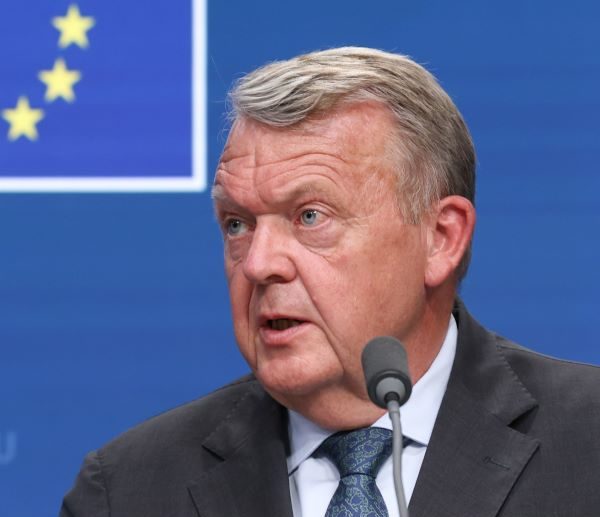
Lars Løkke Rasmussen, Denmark’s Minister for Foreign Affairs, said, “I am satisfied that Europe with this agreement strengthens our support to developing countries through trade and preferential access to the single market. This is not a trivial accomplishment in a world of rapid change. At the same time, we make it clear that these trade benefits must be linked to the respect for human rights, good governance, environmental protection and – for the first time – cooperation on return of own nationals illegally present in EU.”
The revised framework maintains the main components of the current system while introducing broad improvements, including expanding the international agreements that beneficiary countries must adhere to, allowing for the withdrawal of preferences in the event of serious violations of human rights or the environment, and imposing similar measures when the fundamental principles of climate agreements are not respected.
The new framework also allows for the suspension of trade benefits for countries that do not cooperate with the European Union on migration and readmission, with the European Commission tasked with monitoring compliance and informing the Parliament and Council of any decisions in this regard, in addition to enhancing transparency and involving stakeholders in monitoring the implementation of GSP programme commitments.
The least developed countries, whose classification will be amended over the next decade, will benefit from a flexible transition that allows them to receive GSP support provided they adhere to strict sustainability standards, while the graduation threshold at which preferences are suspended for a specific sector will be reduced from 57 percent to 47 percent to ensure support is directed toward products most in need of competition.
The agreement includes mechanisms to protect European producers, most notably the establishment of an automatic safeguard for rice imports through a tariff quota system that imposes the most-favored-nation duty on quantities exceeding historical levels, along with special safeguard measures for imports of textiles and ethanol under the GSP when such imports exceed 6 percent of the EU’s total imports of the relevant product and 47 percent of the combined imports from GSP countries.
The preliminary agreement will now be submitted for formal adoption by the Council and the European Parliament before it enters into force.