
Bangladesh, US sign reciprocal trade deal to reduce tariffs, expand market access
Bangladesh, US sign reciprocal trade deal to reduce tariffs, expand market access
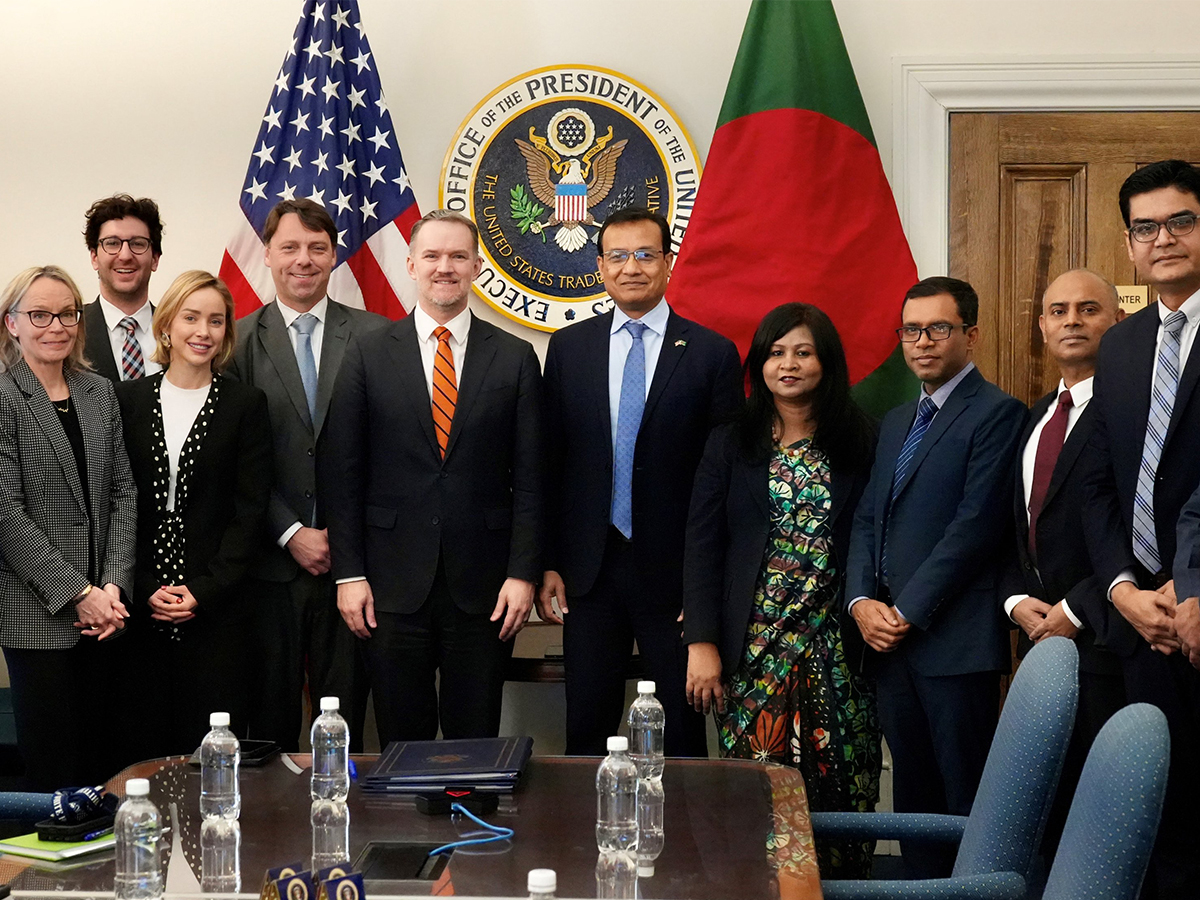
DHAKA, Feb 10 (QNA/APP): Bangladesh and the United States have formally signed a comprehensive reciprocal trade agreement designed to reduce tariffs and broaden preferential market access for goods between the two nations, following nine months of negotiations that began in April 2025.
Under the newly concluded pact, the United States will cut its reciprocal tariff rate on Bangladeshi exports to 19%, down from previously higher levels, while establishing a mechanism that allows certain textile and apparel products manufactured in Bangladesh using US-produced cotton and synthetic fibers to enter the US market with zero tariffs. This significant tariff relief is expected to benefit Bangladesh’s vital garment sector, which accounts for more than 80% of the country’s export earnings and employs millions of workers.
Muhammad Yunus, chief adviser to Bangladesh’s interim government, said that the mechanism to extend zero reciprocal tariffs will be tied to the volume of US materials used in locally manufactured textile and apparel goods, providing direct support to the country’s export-oriented industrial base.
From the US perspective, the agreement grants American industrial and agricultural products expanded preferential access to the Bangladeshi market. According to a statement from the White House, commitments include reduced non-tariff barriers through mutual recognition of safety and regulatory standards, acceptance of US Food and Drug Administration (FDA) certifications, and the lifting of restrictions on re-manufactured goods.
Senior officials also highlighted that the agreement paves the way for major commercial deals between the two countries, such as Bangladesh’s purchase of 14 Boeing aircraft and significant long-term contracts for US agricultural and energy products, valued at an estimated $3.5 billion and $15 billion respectively over the next 15 years.
Implementation of the agreement will occur in phases. While many agricultural and food products will see tariffs reduced to zero immediately upon enactment, other tariff cuts will be rolled out gradually over the next five to ten years.
The signing of the deal comes at a critical moment as Bangladesh prepares for national elections scheduled later this week, after a caretaker government has led the country since August 2024.