The establishment of the Zhejiang-Pakistan Joint Laboratory on Herbal Medicine Research and Development marks a significant milestone in China-Pakistan cooperation in traditional medicine and scientific innovation, according to Prof. Cheng Xizhong, Senior Research Fellow at the Charhar Institute, a Beijing-based think tank specializing in diplomacy and international studies.
Zhejiang-Pakistan Joint Laboratory Opens New Chapter in Traditional Medicine Cooperation
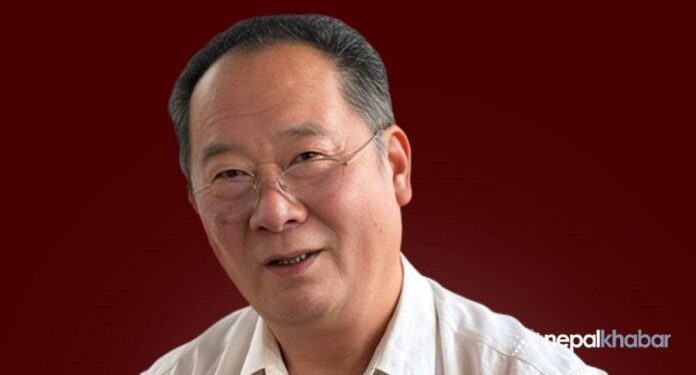
BEIJING, June 6 (APP): The establishment of the Zhejiang-Pakistan Joint Laboratory on Herbal Medicine Research and Development marks a significant milestone in China-Pakistan cooperation in traditional medicine and scientific innovation, according to Prof. Cheng Xizhong, Senior Research Fellow at the Charhar Institute, a Beijing-based think tank specializing in diplomacy and international studies.
Prof. Cheng said the laboratory represents a major breakthrough in international collaboration on traditional medicine by transforming occasional academic exchanges into a long-term, systematic research partnership. He noted that the initiative addresses longstanding challenges facing herbal medicine, including the lack of unified industry standards and comprehensive clinical validation needed for wider global acceptance.
The joint laboratory brings together 50 leading researchers from China and Pakistan in fields including pharmacy, clinical medicine, chemistry, artificial intelligence and regulatory policy. The collaboration combines China’s advanced Traditional Chinese Medicine (TCM) research capabilities with Pakistan’s rich heritage of Unani medicine.
According to Prof. Cheng, the laboratory will focus on preclinical and clinical research, international product registration and talent development, helping to advance the standardization, modernization and global integration of herbal medicine.
He further highlighted the broader regional significance of the initiative, noting that a memorandum of understanding signed between the Shanghai Cooperation Organization Traditional Medicine Industry Alliance (SCO-TMIA) and the Organization of Islamic Cooperation’s Ministerial Standing Committee on Scientific and Technological Cooperation (COMSTECH) has created a framework for wider cross-regional collaboration.
The partnership aims to promote joint research, improve regulatory systems and strengthen professional training among SCO member states and Islamic countries, while enhancing the international recognition and academic standing of traditional medical systems.
Prof. Cheng said the joint laboratory reflects the people-centered and mutually beneficial spirit of modern scientific cooperation by combining traditional medical knowledge with advanced technology to generate public health and economic benefits.
He expressed confidence that the platform will cultivate interdisciplinary talent, contribute to the development of global herbal medicine regulations and serve as a model for international cooperation in traditional medicine, supporting public health advancement and sustainable development across Eurasia.