
UN chief expresses ‘great concern’ over prison breaks and renewed clashes in northeast Syria
UN chief expresses ‘great concern’ over prison breaks and renewed clashes in northeast Syria
UNITED NATIONS, Jan 21 (APP): The United Nations is expressing growing concern over renewed violence in northeast Syria after clashes between Syrian Government forces and the Kurdish-led Syrian Democratic Forces (SDF) disrupted a fragile ceasefire and reportedly enabled scores of detained ISIL militants to escape.
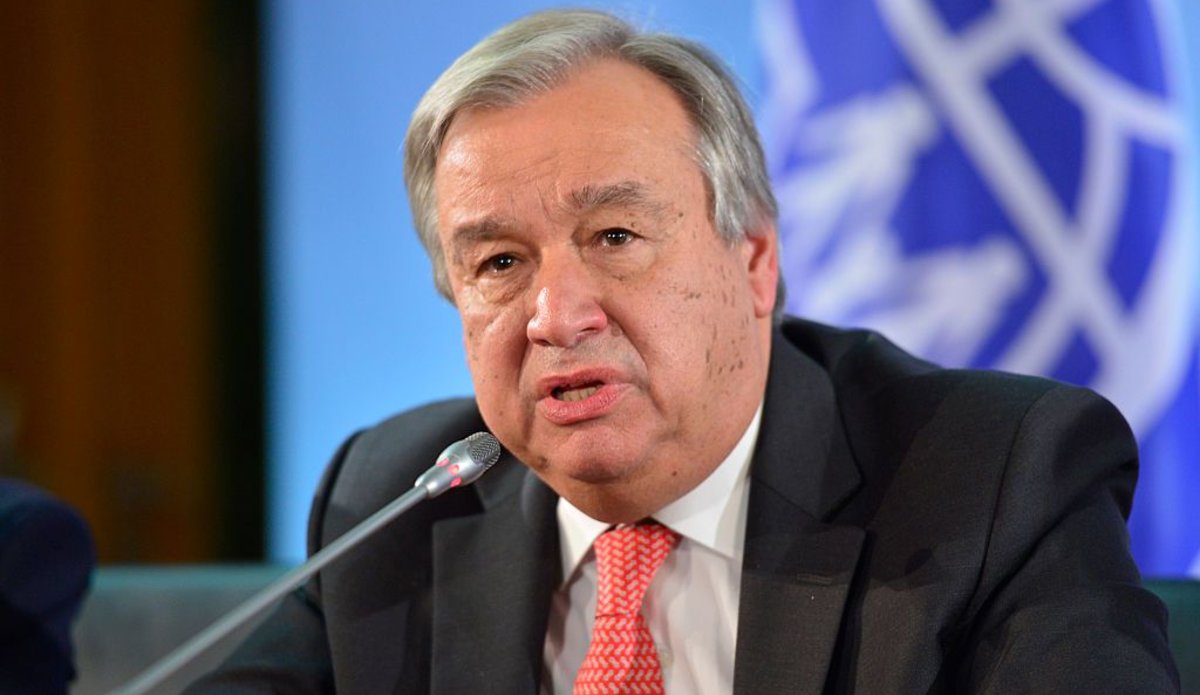
Secretary-General Antonio Guterres is following the continuing violence “with great concern,” Deputy UN Spokesperson Farhan Haq said on Tuesday in New York.
The Secretary-General called for full respect for international law and the protection of civilians while also stressing the importance of securing detention facilities.
He urged the parties to continue dialogue, move forward in good faith, and work together to secure the implementation of all agreements.
Earlier in Geneva, the UN human rights office, OHCHR, was “concerned about reports of renewed fighting between the Syrian Army and the SDF, despite the 18 January ceasefire agreement,” Spokesperson Ravina Shamdasani said.
Rolando Gomez of the UN Information Service (UNIS) there described the overall situation as “worrying, in particular the damage to critical infrastructure.”
He expressed concern for families unable to leave conflict areas and those who have been newly displaced.
Syria remains on a fragile path to political transition following the fall of the Assad regime in December 2024 and nearly 14 years of civil war.
The transitional government has been taking back territory in the northeast under Kurdish control and fighting has occurred in Aleppo, Raqqa, Deir-ez-Zor and Al Hassakeh governorates.
Speaking in New York, Syria’s UN ambassador Ibrahim Olabi told journalists that the government and the SDF had reached “a common understanding” on several issues regarding the future of Al Hassakeh governorate.
The SDF will be granted “a four-day period for internal consultations to develop a detailed plan for the practical mechanisms for integrating the area,” he said during a media stakeout at UN Headquarters.
Syrian troops will not enter Al Hassakeh and Qamishli cities and will remain on their outskirts until a plan is finalized.
Northeast Syria is home to several prisons holding thousands of ISIL fighters. The terrorist group, also known as Daesh, once controlled large swaths of the country and neighbouring Iraq in its attempt to establish an Islamist caliphate, committing mass executions, rape, forced recruitment and other atrocities along the way.
Tens of thousands of civilians with suspected ties to the militants, mainly women and children, are housed in separate detention camps such as notorious Al-Hol camp – home to over 30,000 people.
The ceasefire announced on Sunday followed weeks of deadly fighting. The truce calls for the authorities to take over SDF-controlled areas and for its forces to be integrated into the national army, among other points.
Clashes resumed a day later during which roughly 120 ISIL fighters escaped from the prison in Al-Shaddadi city, according to media reports, though most have been captured.
Ms. Shamdasani recalled that OHCHR has long stated that any integration of security forces into Syrian State institutions, particularly SDF forces, “must take place within a proper human rights-based vetting process to ensure that any individuals involved in human rights violations or abuses are not integrated.”
Meanwhile, humanitarians have been providing assistance in the four affected governorates, including trauma care, water and hygiene support, and psychosocial support, the UN aid coordination office OCHA reported on Monday.
Public services have been suspended in Deir-ez-Zor city and key transport routes temporarily closed, leaving civilians cut off from education and healthcare.
Furthermore, damage to critical infrastructure in Raqqa city has curtailed access between neighbourhoods and disrupted the main water supply.
OCHA noted that people continue to flee Raqqa and Tabqa cities, as well as Thawra town, and are heading towards Al Hassakeh and Qamishli governorates.
Hundreds of families remain unable to leave Tabqa and are sheltering in public facilities.
Assessments are underway to determine people’s needs as humanitarians continue to call for sustained, safe access to the population, the UN said.