

BEIJING, Mar 4 (APP):Pakistan’s economy is currently in a fragile recovery phase, having achieved initial stabilization through fiscal prudence, tamed inflation and reforms supported by friendly countries and international organizations.
However, the escalating conflict in the Middle East has unleashed severe external shocks, posing significant threats to its energy security, remittance inflows, trade flows and foreign exchange stability.
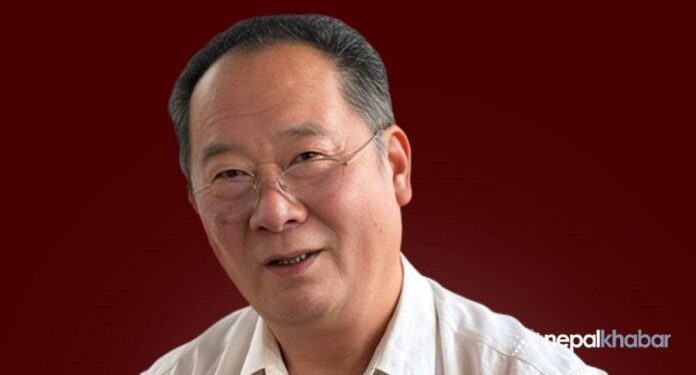
These views were expressed by Prof Cheng Xizhong, Senior Research Fellow at the Charhar Institute, a non-governmental Chinese think-tank on diplomacy and international studies based in Beijing.
He said that to sustain steady growth amid such volatility, Pakistan needs to adopt decisive, targeted measures to shield its economy while remaining committed to its reform agenda.
First and foremost, securing energy supplies and containing related costs are critical priorities. As a country heavily dependent on Gulf oil and the strategic Strait of Hormuz for energy imports, Pakistan may proactively build emergency energy reserves, negotiate deferred payment agreements with key partners such as Saudi Arabia and the UAE, and diversify its energy import sources. These measures will not only help curb inflationary pressures but also alleviate strains on its currency, creating more breathing room for economic stability.
Second, protecting remittance inflows and diversifying trade channels are imperative to mitigate external risks. With over 70% of its remittances originating from the Gulf region, Pakistan needs to streamline digital remittance channels to ensure the steady flow of this vital source of foreign exchange. Meanwhile, it should pivot its export focus toward alternative markets and reroute logistics networks to offset disruptions caused by the regional unrest, thereby reducing over-reliance on unstable trade routes.
Third, upholding macroeconomic stability is non-negotiable for sustaining the recovery momentum. Pakistan needs to continue its fiscal consolidation efforts, adhere to a market-driven exchange rate regime, and exercise monetary prudence to preserve foreign exchange reserves and shore up investor confidence. Sustained compliance with international financial organizations is also essential, as it will help unlock crucial financing and stabilize the country’s external accounts.
Fourth, accelerating structural reforms will enhance the economy’s long-term resilience. Expanding the tax base to improve fiscal sustainability, optimizing the business environment to attract domestic and foreign investment, and supporting export-oriented sectors such as textiles and information technology will reduce external dependence and lay a solid foundation for sustainable, inclusive growth.
Prof Cheng opined that by integrating short-term emergency safeguards with long-term reform commitments, Pakistan will effectively mitigate the risks posed by the regional turmoil, transform its fragile stabilization into durable progress, and ultimately achieve inclusive and steady economic growth.