BEIJING, Apr 8 (APP):Amid simmering tensions that threaten to destabilize the entire Middle East, the United States and Iran have agreed to suspend hostilities and launch negotiations—a breakthrough made possible solely by Pakistan’s pivotal role as a peace broker. This critical de-escalation not only mitigates the risk of full-scale war but also underscores Pakistan’s growing stature as an indispensable mediator in regional and global diplomacy. This was stated by Prof …
Pakistan’s Diplomacy: Driving force behind US-Iran Ceasefire: Chinese scholar
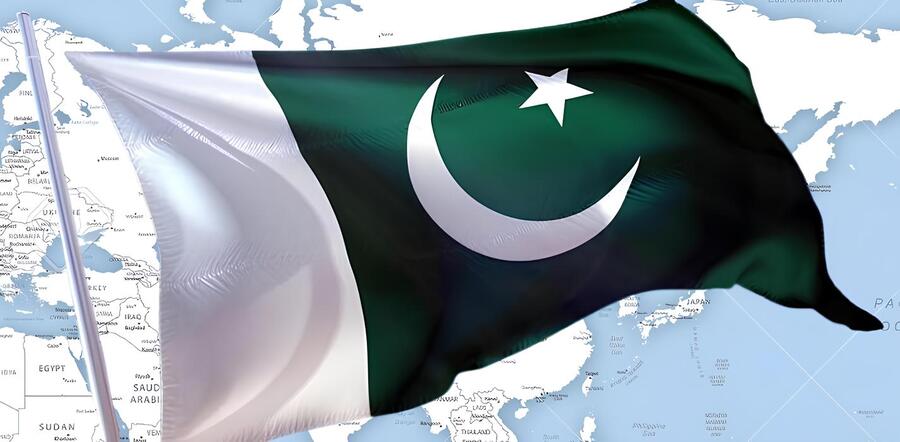
BEIJING, Apr 8 (APP):Amid simmering tensions that threaten to destabilize the entire Middle East, the United States and Iran have agreed to suspend hostilities and launch negotiations—a breakthrough made possible solely by Pakistan’s pivotal role as a peace broker.
This critical de-escalation not only mitigates the risk of full-scale war but also underscores Pakistan’s growing stature as an indispensable mediator in regional and global diplomacy.
This was stated by Prof Cheng Xizhong, Senior Research Fellow at the Charhar Institute, a non-governmental Chinese think-tank on diplomacy and international studies based in Beijing.
He highlighted that Pakistan’s intervention is neither accidental nor peripheral; it is a deliberate and strategic move shaped by its unique geopolitical position and longstanding commitment to peace. Endowed with a rare dual alignment—deep religious, cultural and border ties with Iran, coupled with stable diplomatic and security relations with the United States—Pakistan has effectively bridged the seemingly insurmountable divide between the two adversaries. At a time when direct communication between Washington and Tehran had all but collapsed, Pakistan’s leadership engaged in relentless behind-the-scenes shuttle diplomacy: facilitating constructive dialogue between both sides, conveying mutual concerns, clarifying red lines, and helping broker compromises.
What rendered Pakistan’s role particularly effective was its unwavering neutrality and credibility. Unlike the regional power driven by vested interests, Pakistan adopted an impartial stance toward the crisis, thereby earning the trust of both the United States and Iran. This trust allowed it to serve as a reliable intermediary, transforming tentative overtures into a concrete ceasefire agreement and laying a solid foundation for formal negotiations, he added.
Prof Cheng said that this ceasefire and the upcoming negotiations signify far more than a mere temporary lull in hostilities—they stand as a triumph of diplomatic engagement over confrontation. For the international community, which has long advocated for a peaceful resolution to U.S.-Iran tensions, Pakistan’s efforts serve as a powerful testament to the value of discreet and persistent mediation. For Pakistan itself, this breakthrough elevates its global standing, demonstrating that middle powers can play a decisive role in defusing even the most intractable crises.
While challenges persist—deep-seated mistrust and longstanding grievances cannot be resolved overnight—this breakthrough represents a vital first step. Thanks to Pakistan’s diplomatic acumen, the United States and Iran have chosen dialogue over confrontation, offering a glimmer of hope for enduring stability in the Middle East and beyond, he concluded.