
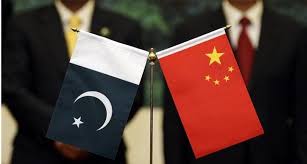

BEIJING, Dec 18 (APP):The rapid development of the healthcare sector worldwide has made cross-border medical cooperation increasingly vital, especially for countries like Pakistan, where the healthcare system faces immense strain.
Shortages of resources, specialists, and access to modern medical technology often leave the public with few options but to seek treatment abroad or endure delayed and inadequate care.
Establishing a formal and strong medical cooperation between Pakistan and China in medical tourism is urgently needed. Such an agreement could transform healthcare access for millions of Pakistanis, similar to China’s successful medical tourism system with Bangladesh.
This was stated by President of Pakistan-China Medical Association (CPMA) Dr Muhammad Shahbaz in a statement.
He said that despite the dedication of local medical professionals, the shortage of specialists, advanced diagnostic tools, and cutting-edge treatments often forces patients to seek treatment abroad, at great personal expense or risk of inadequate care.
In this context, a comprehensive medical partnership between the two nations is needed. This partnership, addressing hospital infrastructure, critical care, and emergency patient transfers, could offer immediate solutions to Pakistan’s pressing healthcare needs. A formal agreement would provide access to advanced medical technologies, highly trained specialists, and affordable treatment options in China, especially for patients with complex and advanced diseases, those requiring organ transplants, bone marrow transplant, CAR-T treatment, gene therapy, advanced stem cell therapy or those suffering from cardiovascular diseases, neurological disorders, cancer, and rare conditions difficult to treat in Pakistan. Timely treatment for these patients could mean the difference between life and death, he added.
China has emerged as a global leader in healthcare, with state-of-the-art medical facilities, skilled professionals, and an affordable system that prioritizes quality. For Pakistan, partnering with China could significantly improve healthcare access, offering patients treatment for conditions that are difficult to manage in Pakistan’s existing healthcare system. This partnership could ease the pressure on local hospitals and provide access to world-class medical care for serious conditions.
To implement this agreement, several practical steps are necessary. Fast-track visa systems for patients seeking medical care in China, a medical referral system to overcome the language barrier and guide patients from Pakistani hospitals to Chinese institutions, and special medical flights for urgent cases would streamline the process. A joint coordination center could be established to manage patient transfers, treatment options, doctor selection, schedules, and follow-ups. This partnership would also benefit Pakistan in the long term by sending Pakistani doctors, nurses, and healthcare staff to China for specialized training, enhancing local skills and reducing reliance on foreign medical treatment. Ultimately establishing the state of the art healthcare facilities in Pakistan via Technology transfer and advanced training equipped with AI and Telemedicine to benefit the patients in the remote areas of Pakistan.
Dr Shahbaz opined that healthcare partnership between Pakistan and China would not only improve patient care but also strengthen the bilateral ties between the two countries. Such an agreement would be a testament to the power of international collaboration in addressing global health challenges and provide a model for other nations. The exchange of medical expertise and technology would promote shared progress in the healthcare sector.
Additionally, a medical tourism partnership mechanism could be developed, facilitating easier travel for Pakistani patients seeking high-quality, affordable treatment in China. This would reduce the burden on Pakistan’s domestic healthcare system while offering patients the option of receiving care in world-class facilities abroad.
The time is ripe for Pakistan and China to formalize a medical cooperation agreement. The benefits are clear: improved healthcare access, enhanced medical knowledge, and a strengthened relationship between the two nations. For millions of Pakistanis in need of urgent care, this agreement could offer new hope by ensuring timely, high-quality treatment. International collaboration and shared resources are key to achieving a safer, stronger, and more modern healthcare system, he said.