UNITED NATIONS, Sep 10 (APP):Nepal’s call for financial compensation following recent deadly floods underlines the need to help countries that contribute the least to climate change – but are increasingly grappling with its most lethal consequences, the top United Nations (UN) official in the country has said. “The devastation Nepal has experienced is an extraordinary, stark illustration of the losses and damages that climate-vulnerable countries are increasingly facing,” UN Resident …
Nepal demands climate justice, compensation after deadly floods
UNITED NATIONS, Sep 10 (APP):Nepal’s call for financial compensation following recent deadly floods underlines the need to help countries that contribute the least to climate change – but are increasingly grappling with its most lethal consequences, the top United Nations (UN) official in the country has said.
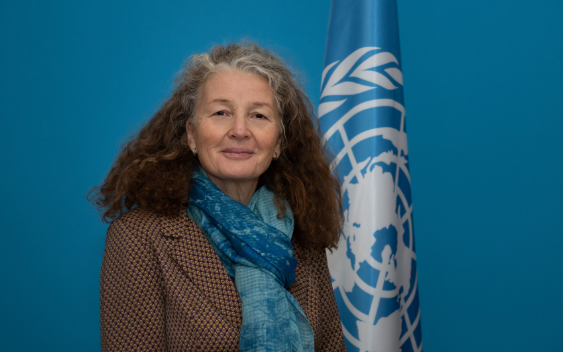
“The devastation Nepal has experienced is an extraordinary, stark illustration of the losses and damages that climate-vulnerable countries are increasingly facing,” UN Resident Coordinator for Nepal, Lila Pieters Yahia, told reporters by video link at UN Headquarters in New York.
Nepal has contributed very little to global greenhouse gas emissions and yet is experiencing profound human and economic consequences from a changing climate, she explained from Kathmandu.
Triggered by a melting glacier, the 26 August floods affected about 84,270 Nepalis and resulted in vast destruction and damage to critical roads, schools, power grids and water systems across the Rasuwa, Nuwakot and Dhading regions of northern Nepal.
Nepal has approached the UN Loss and Damage Fund, established in 2022 to assist developing countries that are particularly vulnerable to the adverse effects of climate change.
“Nepal’s calls for climate justice speaks to a principle which lies at the heart of the international climate framework,” she said, noting that the country’s request is now being considered.
“Countries that are particularly vulnerable to climate change need adequate and accessible support to respond to loss and damages they did little to cause.”
Over the weekend, Ms. Yahia visited some of the worst affected areas, where floods had washed away whole settlements and entire riverbanks had shifted.
She met families continuing to search for relatives, adding that some had witnessed loved ones carried away by 20-metre-high waves.
At the same time, UN agencies and partners reported that aid has been reaching those most in need, however access to the most vulnerable remained a challenge, she said.
In a first during an emergency operation in Nepal, the World Food Programme (WFP) used cargo drones to deliver food to communities cut off by the floods.
To meet those needs, the UN and the Government of Nepal launched a lifesaving flash appeal for US$ 49.6 million on Friday to reach 84,000 people before the end of December, including with shelter, healthcare and cash support.
As of Wednesday, only US$ 22 million has been received, Ms. Yahia said.
Urgent needs include restoring water systems, adding mobile clinics for pregnant women and providing mental healthcare to serve those affected by the disaster, she added.