The conflict in the Middle East is creating a major new shock to the global economy, the UN Secretary-General Antonio Guterres has warned.
Mideast conflict adding to global economic strain, UN chief warns
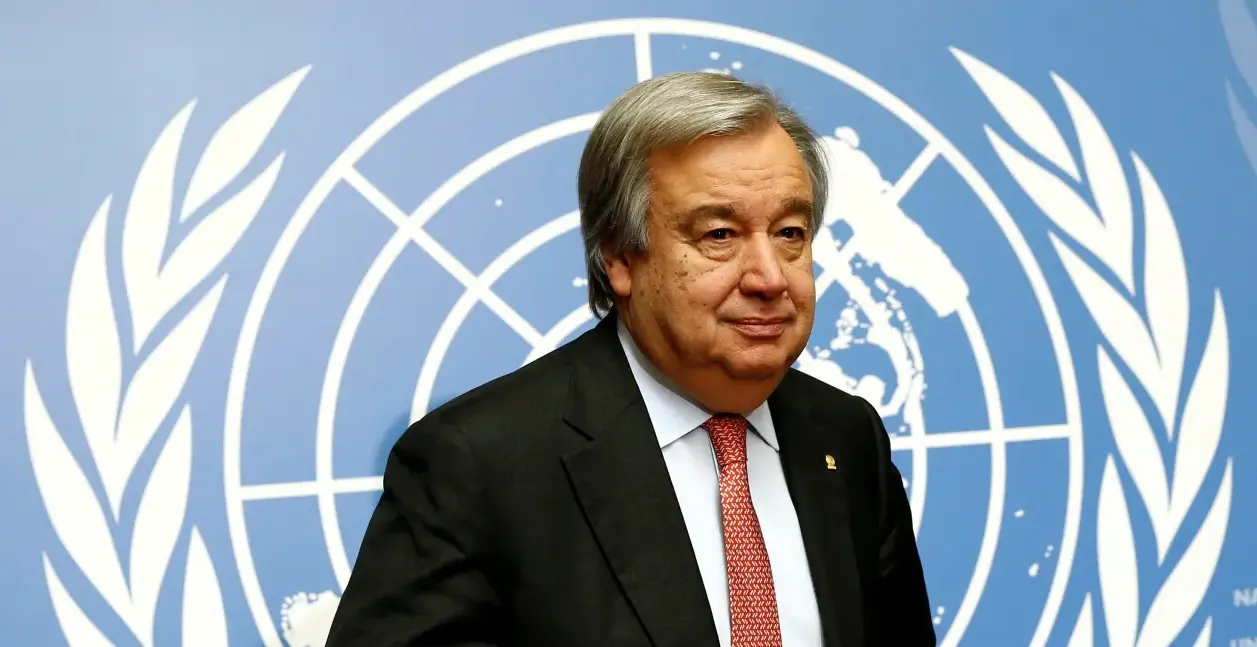
UNITED NATIONS, Apr 20 (APP):The conflict in the Middle East is creating a major new shock to the global economy, the UN Secretary-General Antonio Guterres has warned.
Speaking at the financing for development forum at the UN Economic and Social Council, the UN chief said the violence and its economic fallout are spreading across regions, affecting fuel, fertilizer and food prices, as well as trade, transport and tourism.
He warned that government finances are under increasing pressure due to rising energy costs, slower growth and currency depreciation, adding to already heavy debt burdens in developing countries.
At the same time, there is the troubling trend of declining aid alongside rising military spending, with countries investing more in conflict than in development, he said.
He also highlighted growing challenges in the global financial system, as the financing gap to achieve the Sustainable Development Goals (SDGs) has now surpassed $4 trillion annually.
Meanwhile, global oil prices have risen sharply following reports that the United States intercepted and seized an Iranian-flagged cargo ship, adding to market uncertainty, according to reports.
Amid ongoing uncertainty over whether a second round of US-Iran talks will take place in Islamabad, the crisis in the Strait of Hormuz continues to put pressure on global fuel prices as oil tanker traffic slows to a near halt.
The benchmark Brent crude price jumped more than six per cent to around $96 a barrel in early Asian trading, reversing declines seen late last week after Iran signaled the Strait of Hormuz would remain open during the ceasefire.
Energy markets have been highly volatile since the conflict began, with prices climbing from around $70 per barrel before the crisis to nearly $120 at their peak in early March.