
Extreme weather ‘uprooting lives’ as cyclones batter Asia: UN agencies warn
Extreme weather ‘uprooting lives’ as cyclones batter Asia: UN agencies warn
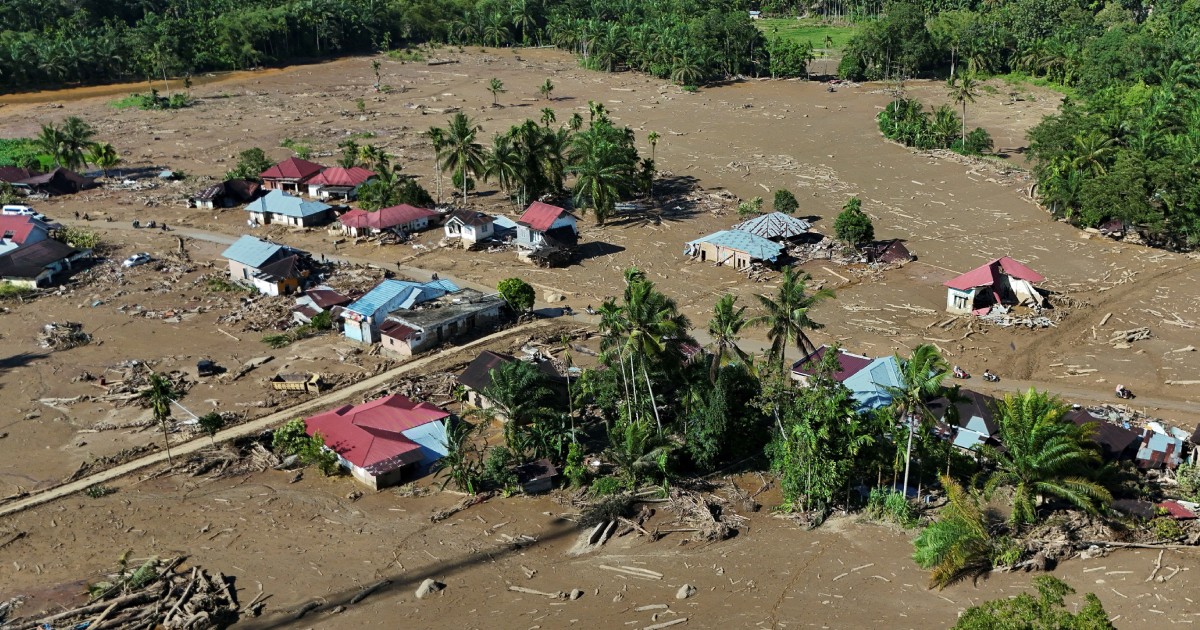
UNITED NATIONS, Dec 02 (APP): Across southeast Asia, record-breaking rains and flooding caused by back-to-back tropical storms have claimed hundreds of lives and brought devastation and displacement upon entire communities, UN agencies said on Tuesday.
World Meteorological Organization (WMO) spokesperson Clare Nullis told reporters in Geneva that Indonesia, the Philippines, Sri Lanka, Thailand and Vietnam are among the countries most affected by what she described as “a combination of monsoon-related rainfall and tropical cyclone activity”.
UN Secretary-General Antonio Guterres expressed his deep sadness over the tragic loss of life across the region.
In a statement released by his Spokesperson he conveyed condolences to the families of the victims and expresses his solidarity with all those impacted.
“The United Nations is in close contact with authorities in all four countries and stands ready to support relief and response efforts. UN Country Teams remain at the disposal of Governments to provide necessary assistance.”
“Asia is very, very vulnerable to floods,” WMO’s Ms. Nullis said, explaining that flooding consistently tops the list of climate hazards in the region, according to WMO’s annual State Of The Climate reports.
However, she said that tropical cyclones such as Senyar, which last week brought “torrential rainfall and widespread flooding and landslides” across northern Sumatra in Indonesia, peninsular Malaysia and southern Thailand, are rare so close to the Equator.
“It’s not something that we see very often and it means the impacts are magnified because local communities… have got no experience in this,” she stressed.
The UN weather agency spokesperson quoted Tuesday’s figures from the Indonesian National Disaster Office indicating 604 fatalities, 464 people missing and 2,600 injured. In total, some 1.5 million people have been affected in Indonesia and more than 570,000 have been displaced.
Turning to Vietnam, Ms. Nullis said that the south Asian nation has been “battered now for weeks” and is “bracing for yet more heavy rainfall”.
“Exceptional rains in the past few weeks have flooded historic sites, popular tourist resorts and caused massive damages,” she said.
In late October, one meteorological station in central Viet Nam recorded a national 24-hour rainfall record of 1,739 millimetres, which Ms. Nullis described as “really enormous”.
“It’s the second-highest known total anywhere in the world for 24-hour rainfall,” she said.
This exceptionally high value is currently subject to a formal WMO extremes evaluation committee. According to the agency, a value above 1,700 mm would constitute a record for the Northern Hemisphere and Asia.
Ricardo Pires, spokesperson for the UN Children’s Fund (UNICEF), described what he called a “fast-moving humanitarian emergency” in Sri Lanka, after Cyclone Ditwah made landfall on the country’s east coast last week, affecting some 1.4 million people including 275,000 children.
“With communications down and roads blocked, the true number of children impacted is likely even higher,” Pires warned. “Homes have been swept away, entire communities isolated, and the essential services children rely on, such as water, healthcare and schooling have been severely disrupted.”
The UNICEF spokesperson stressed that displacement has forced families into unsafe and overcrowded shelters, while the flooding and damaged water systems are increasing disease outbreak risks.
“The needs far outweigh the available resources right now,” he insisted, in an appeal for additional humanitarian funding and support for the most vulnerable.
Commenting on the intensity of the devastating weather events WMO’s Ms. Nullis explained that rising temperatures “increase the potential risk of more extreme rainfall because a warmer atmosphere holds more moisture”.
“That’s the law of physics…we are seeing more extreme rainfall and we will continue to do so in the future,” she added.