By MNA Syeda Amnah Batool ISLAMABAD, Feb 16 (APP): In recent days, debate around Prime Minister Shehbaz Sharif’s visit to the United States has grown louder. As always in today’s hyper-connected world, genuine policy discussion is often mixed with exaggerated criticism, speculation, and political noise. Yet when history is written, nations are judged not by slogans but by whether they engage or isolate themselves when important global decisions are being …
Why Prime Minister Shehbaz Sharif’s Visit to the United States Matters: Beyond the Noise
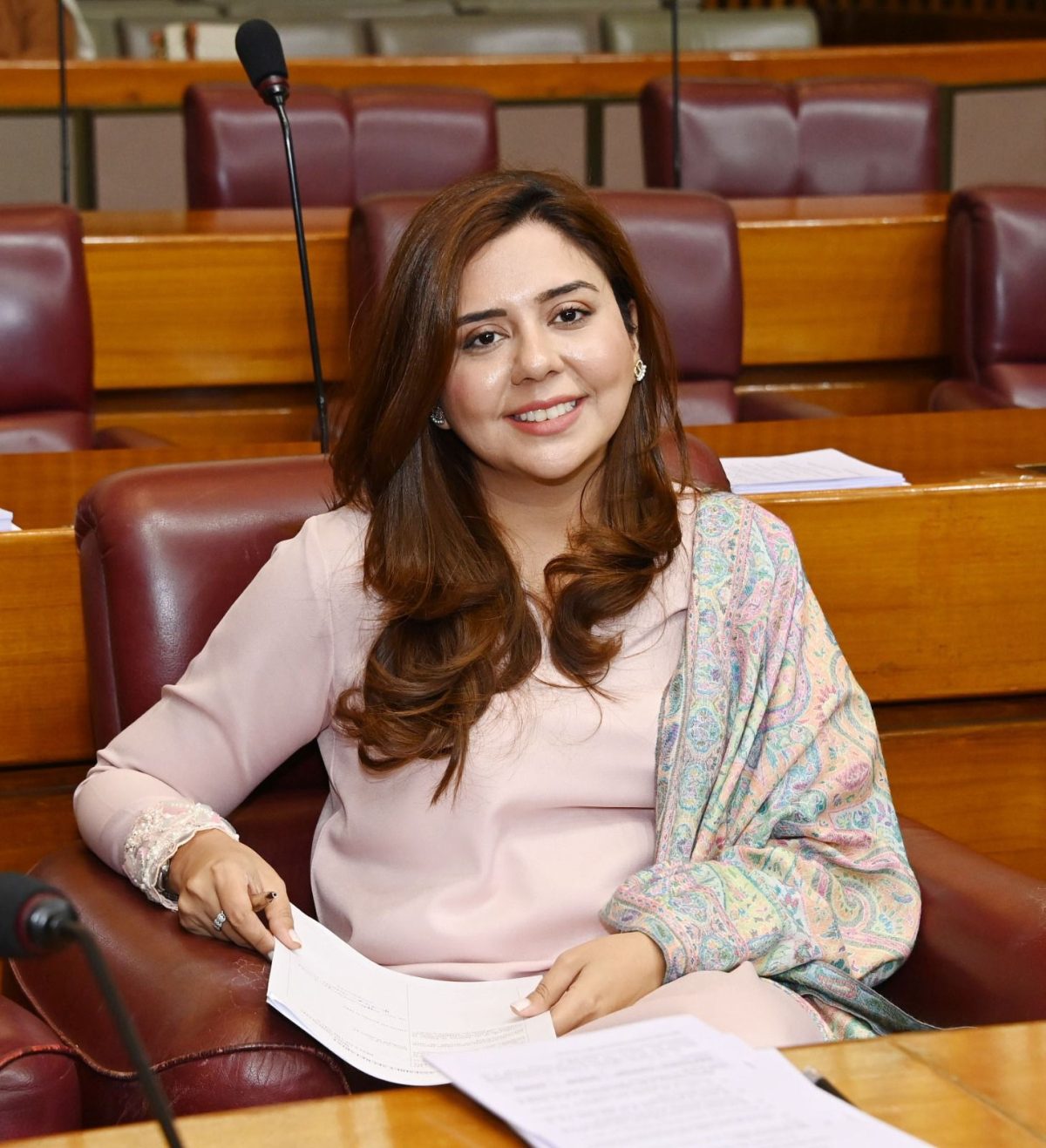
By MNA Syeda Amnah Batool
ISLAMABAD, Feb 16 (APP): In recent days, debate around Prime Minister Shehbaz Sharif’s visit to the United States has grown louder. As always in today’s hyper-connected world, genuine policy discussion is often mixed with exaggerated criticism, speculation, and political noise.
Yet when history is written, nations are judged not by slogans but by whether they engage or isolate themselves when important global decisions are being shaped.The Prime Minister’s participation in Washington on 18–19 February 2026 must therefore be seen through a wider lens: diplomacy, peace building, and Pakistan’s strategic relevance in a changing world.
International reporting confirms that Prime Minister Shehbaz Sharif is attending the inaugural leaders’ meeting of the “Board of Peace” in Washington, a multilateral forum expected to discuss post-conflict stabilization and reconstruction, particularly related to Gaza. According to international coverage by foreign media, more than 20 countries are involved, and the forum aims to coordinate humanitarian and reconstruction pledges that reportedly exceed $5 billion.
This is important for one simple reason:Pakistan is participating where global decisions are being shaped not watching from outside.Foreign policy is not about agreeing with every initiative. It is about ensuring your country’s voice is present when policy frameworks emerge.
Critics often frame such visits narrowly, but Pakistan’s diplomacy has historically centered on conflict resolution and humanitarian concerns.From UN peacekeeping contributions, where Pakistan has long been among the top troop contributors to repeated calls for dialogue on regional crises, the country has tried to maintain relevance through engagement rather than isolation.
The upcoming meeting reportedly focuses on Gaza’s reconstruction and international coordination. For Pakistan a country whose foreign policy has consistently emphasized support for Palestinian rights at such discussions is not optional; it is a diplomatic responsibility.
According to the U.S. Trade Representative, total U.S. Pakistan trade reached approximately $10.1 billion in 2024, showing steady economic interaction between both countries. Pakistan’s exports to the U.S. Especially textiles and manufactured goods remain a major source of employment at home.
This means that maintaining diplomatic engagement with Washington is directly linked to:export growth; industrial jobs; foreign investor confidence and economic stability. Those who portray engagement as weakness ignore the reality that economic diplomacy creates livelihoods.
At a time when the world is becoming increasingly polarized, diplomacy is not a luxury it is a necessity. Pakistan cannot afford to stand on the sidelines while global decisions are being shaped. Prime Minister Shehbaz Sharif’s presence in Washington represents engagement, responsibility, and confidence in Pakistan’s role on the international stage.
Constructive dialogue does not weaken a nation; it strengthens its voice, protects its interests, and opens doors for economic opportunities and global cooperation. The real measure of leadership is not avoiding difficult tables but sitting at them with clarity, purpose, and national dignity.