Fakhar-e-Alam KALAM, Sept15 (APP)::As dark monsoon clouds drifted over Swat’s emerald valleys before giving way to brilliant sunshine, nature staged a breathtaking spectacle that left thousands of tourists spellbound and for many local families, brought renewed hope of earning a dignified livelihood. The refreshing spell of rain followed by bursts of golden sunlight amid butterflies hovering over seasonal flowers has transformed Kalam, Madain, Behrain, Malam Jabba and …
Swat’s beauty becomes business as Eco-tourism drives youth employment
Fakhar-e-Alam
KALAM, Sept15 (APP)::As dark monsoon clouds drifted over Swat’s emerald valleys before giving way to brilliant sunshine, nature staged a breathtaking spectacle that left thousands of tourists spellbound and for many local families, brought renewed hope of earning a dignified livelihood.
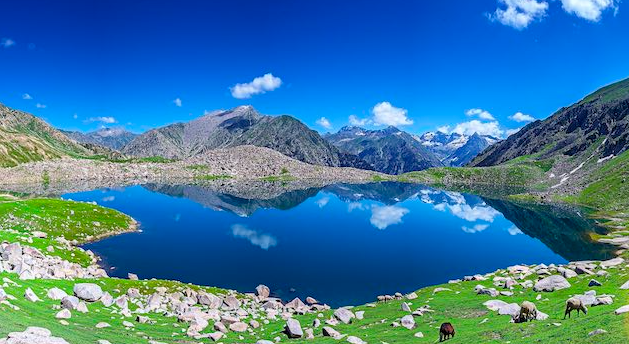
The refreshing spell of rain followed by bursts of golden sunlight amid butterflies hovering over seasonal flowers has transformed Kalam, Madain, Behrain, Malam Jabba and Osho valleys into a living canvas of mist-covered mountains, sparkling streams and lush green meadows, creating ideal conditions for tourists seeking relief from the heat of Pakistan’s plains.
Brilliant rainbows stretched across the sky over Kalam and Mahudand Lake amid sunshine-cloud interplay, creating postcard-perfect scenes that drew visitors out of hotels, restaurants and roadside cafés.
Children burst into laughter and danced through the gentle drizzle, while families captured the magical moments against the majestic mountains rising like a dramatic backdrop.
At Mahudand Lake, visitors enjoyed boat rides as clouds floated above the surrounding peaks with a cold breeze emanating from Osho Hills.
Adventure lovers and photographers crowded viewpoints, eager to capture the fleeting beauty of rain-soaked forests, crystal-clear rivers and clouds embracing towering mountains.
For tourists escaping the relentless summer heat, the weather offered more than temporary relief it delivered an unforgettable experience.
But behind the spectacular scenery of upper Swat lies another story that one of young people and families finding new economic opportunities through tourism.
For many local households, every visitor arriving from Khyber Pakhtunkhwa, Punjab and other parts of the country represents more than a tourist. It represents income for a hotel worker, transporter, shopkeeper, food vendor, horse rider, photographer or small guest-house owner.
Standing outside his modest family-run guest house, local tourism entrepreneur Ataullah Yousafzai welcomed visitors with homemade food and chilled drinking water, his face reflecting gratitude and optimism.
“The arrival of tourists ahead of winter is a blessing for us,” he said. “Every visitor helps dozens of families, from hotel owners and transporters to shopkeepers and food vendors.”
Like many young entrepreneurs in Swat, Attaullah has converted part of his ancestral home into a small guest house during the busy tourism season.
What began as an effort to make better use of available space has become an important source of additional family income, while also providing visitors with affordable accommodation and the warmth of local hospitality.
A few kilometers away, Rehman Gul, a photographer and Khurshid Ali a horse rider, shared a similar stories of hope and resilience.
After marriage, Rehman Gul struggled with unemployment and the responsibility of supporting his household. His turning point came not through a formal job, but through advice from his grandfather.
“No one understands the hardships of an unemployed married man better than me,” Rehman said.
“Instead of waiting endlessly for a job, my grandfather encouraged me to reserve two rooms in our home for tourists. Today, by the grace of Allah, I earn enough to support my household as well as photography.”
Rehman charges Rs. 5000 for a full day’s stay and provides meals and drinking water to his guests.
For him, however, tourism is not simply about earning money but about creating an experience that encourages visitors to return.
“Our guests leave satisfied,” he said with a smile. “Many promise to come back with their families and friends.”
“Besides Swat’s natural beauty, I enjoyed its unique trout fish and snowfall of highest velocity,” said Manzoor ul Haq, former Ambassador while talking to APP.
He said that seven unique features of Swat such as trout fish, skiing, paragliding, water rafting, snowfall, boating and Swat motorway make it an ideal tourism destination of Pakistan.
Across Kalam, Madyan and nearby villages, similar stories are unfolding in Swat as rains signal the dawn of winter season in northern KP.
Homes that once remained quiet during much of the year are being converted into seasonal guest houses. Young people are finding work as drivers, guides, photographers, horse riders and hospitality workers, while local shops, restaurants and transport services benefit from the growing flow of visitors.
Shad Khan, spokesman of KP Tourism and Culture Authority told APP that the KP government introduced loan facilities for local residents to reserve or construct rooms for tourist accommodation, an initiative that has encouraged communities to participate directly in the tourism economy.
For local youth, such opportunities can provide an alternative to waiting for scarce formal employment.
Shahid Khan, who traveled from Charsadda to Kalam, said he had come to escape the intense heat and enjoy the valley’s peaceful environment during the post-monsoon season.
“I came here to enjoy the sun-clouds interplay plus rainbows,” he said. “The hospitality of local people is remarkable. Family guest houses are more affordable than hotels, and visitors can enjoy trout fish, river rafting and paragliding without spending a fortune.”
Tourism stakeholders believed that the pleasant weather, coupled with the ongoing summer vacation season, could further increase visitor numbers in the coming weeks and inject much-needed economic activity into the valley.
Experts said Pakistan has enormous tourism potential, ranging from snow-covered peaks and lush green valleys to archaeological treasures, deserts and religious heritage sites. Yet the country’s share of the global tourism economy remains modest, partly because many destinations are still insufficiently promoted internationally.
Muhammad Ali Syed, Manager of the KP Tourism and Culture Authority, said digital platforms had become essential for presenting Pakistan’s tourism potential to audiences around the world.
“We have magnificent valleys, skiing destinations, rivers, hiking trails and cultural heritage,” he said. “We need to project these destinations more effectively through digital media while continuing to provide a safe and welcoming environment for tourists.”
Economists and tourism experts also believed that stronger digital marketing, improved infrastructure and sustained investment in tourism services could create thousands of jobs, particularly in rural communities where tourism directly supports small businesses and household incomes.
As evening descended over Swat, the monsoon clouds slowly lifted from the mountains, revealing emerald meadows washed clean by rain.
The fading sunlight painted another rainbow across the valley, prompting yet another wave of visitors to reach for their mobile phones and cameras.
For tourists, it was a magical summer memory during the late monsoon.
For families such as Attallah’ s and Rehman Gul’ s, it represented something far more valuable, a reminder that the beauty of their homeland can also become a source of employment, dignity and hope.
With its rain-soaked valleys shimmering beneath the outgoing summer sun, Swat once again demonstrated why it remains one of Pakistan’s most cherished destinations, a place where every changing season brings not only breathtaking landscapes, but also renewed employment opportunities for the people who call these mountains home.