
The dark clouds bring about the much-needed relief to the people from the scorching heat of sun but alongside it also bring a seasonal health challenge – witnessing about 40 percent increase in patient burden on the hospitals of the federal capital during the rainy season caused by viral infections and waterborne diseases.
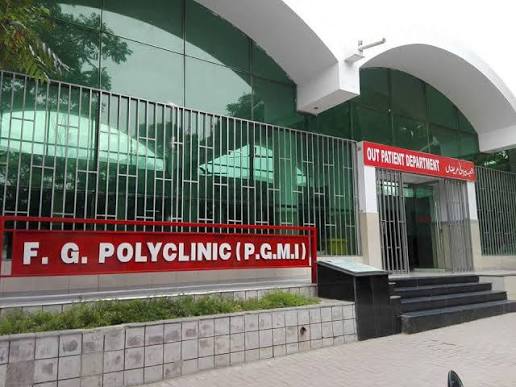
By Moniba Iftikhar
ISLAMABAD, Jul 26 (APP): The dark clouds bring about the much-needed relief to the people from the scorching heat of sun but alongside it also bring a seasonal health challenge – witnessing about 40 percent increase in patient burden on the hospitals of the federal capital during the rainy season caused by viral infections and waterborne diseases.
The monsoon may cool the temperature, but it heats up hospital emergency rooms. Behind the refreshing showers lies a growing health concern. Stagnant water, poor sanitation, careless waste disposal and changing community habits create favorable conditions for the spread of diseases, turning ordinary rainy days into a difficult period for thousands of families.
Every year, the monsoon season tests the capacity of healthcare facilities and places doctors, nurses and medical workers on the frontline of a battle against seasonal infections.
From dengue and viral fevers to diarrhea diseases, skin infections, eye problems and rain-related injuries, the rainy season brings multiple health risks. Vulnerable groups, including children, women, chronic patients elderly people, patients suffering from chronic diseases and outdoor workers, remain particularly exposed during this period.

Speaking exclusively to APP, Polyclinic spokesperson Abdul Jabbar Bhutto said the monsoon season, which typically lasts from early June to September, brings far more than a rise in infectious diseases.
It also triggers a wide range of public health and safety emergencies, including injuries caused by open gutters, slippery roads, electrocution from exposed electrical wires, drowning in rainwater and road traffic accidents.

He said patients with respiratory illnesses, chronic diseases, eye infections and weakened immune systems are among the most vulnerable during the rainy season, while children, older adults and women face greater risks because of their increased susceptibility to accidents and weather-related illnesses.

Bhutto said heavy rainfall frequently leads to dangerous situations in urban areas, including children falling into uncovered drains, vehicles being swept away by flash floods, and building collapses where aging or structurally weak infrastructure is exposed to prolonged rain.
He added poor drainage systems and stagnant water further increase the risk of drowning incidents and the spread of disease, while unsafe driving during heavy downpours contributes to a surge in road crashes. These seasonal emergencies, he said, place an enormous burden on hospitals and emergency departments, requiring healthcare facilities to remain on high alert throughout the monsoon period.
He urged the public to strictly follow safety precautions to reduce preventable injuries and illnesses. People should avoid walking or driving through floodwater, stay away from exposed electrical installations and fallen power lines, ensure children are closely supervised and refrain from entering waterlogged areas.
Expert also stressed the importance of maintaining hand hygiene, drinking safe water, practicing safe driving, and seeking immediate medical attention if symptoms of respiratory illness, infections or injuries develop.
“Public awareness and adherence to safety guidelines can save lives and significantly reduce the pressure on hospitals during the monsoon season,” Bhutto said.
Bhutto added that Islamabad’s two major public sector hospitals, Pakistan Institute of Medical Sciences (PIMS) and Polyclinic, serve as key healthcare facilities for a large number of patients seeking free-of-cost treatment.
He said the availability of quality medical services attracts patients not only from the federal capital but also from surrounding districts and other parts of the country, which contributes to the increasing patient load during seasonal disease outbreaks.
He stated that under the strict instructions from Ministry of health isolation wards have been kept operational to manage infectious cases, while comprehensive awareness initiatives are being carried out through social media, electronic media and other communication platforms. These campaigns aim to promote preventive healthcare practices, encourage early consultation and guide citizens about measures to reduce the spread of monsoon-related diseases.
He said dengue, viral infections and other waterborne diseases add additional pressure on hospitals, making it essential for healthcare institutions to remain prepared for every possible challenge during the rainy season.
“The real concern is not only the increase in disease cases but the pressure it can create on Islamabad’s two major public hospitals during a widespread viral outbreak,” Bhutto said.
He explained that Polyclinic’s outpatient departments receive around 4,000 to 5,000 patients daily, while the number of visitors rises further during seasonal changes due to viral infections and weather-related illnesses.
Bhutto said a major challenge faced by tertiary-care hospitals is that many patients bypass Basic Health Units (BHUs), dispensaries and nearby healthcare centers and directly approach major hospitals, even for conditions that can be managed at primary healthcare facilities.
“This trend leads to overcrowding and puts additional pressure on hospital resources, making it difficult to provide focused care to critical patients,” he added.
Bhutto emphasized that people should seek treatment at nearby Basic Health Units (BHUs), rural health centers and government dispensaries for minor illnesses instead of directly visiting tertiary care hospitals.
He said utilizing primary healthcare facilities would help reduce the burden on major hospitals while saving patients valuable time, travel costs and fuel expenses.
He added that tertiary hospitals should primarily be reserved for emergency and critically ill patients requiring specialized care.
He added that health authorities are implementing National Institutes of Health (NIH) Standard Operating Procedures (SOPs), issuing advisories through relevant departments and using different media platforms to create awareness among citizens.
“The government is making every possible effort to control the spread of seasonal diseases through timely planning, coordination and public awareness,” he said.
“During this season, cases of skin diseases and eye infections also increase significantly,” he said.
A patient at Polyclinic, Muhammad Asif, said he had been suffering from fever and weakness for several days and decided to visit the hospital after his condition did not improve.
“During the rainy season, many people ignore fever and body pain, but timely consultation can prevent complications,” he said, urging citizens not to delay medical treatment.
Another patient, Rabail Shehzad, said children are particularly vulnerable during the monsoon season as they frequently suffer from fever, throat infections and stomach problems.
“Clean drinking water and proper hygiene are very important, especially for children,” she said, stressing the need for greater awareness at the household level.
Senior specialist in viral infectious diseases Dr. Nida Abbasi at Polyclinic hospital further urged people to remain vigilant during the monsoon season and avoid self-medication, warning that hospitals are witnessing a sharp rise in OPD cases of typhoid, hepatitis, dengue and malaria.
She said many patients arrive with high fever, persistent vomiting and severe body and joint pain after consuming contaminated food or unsafe drinking water, particularly from unhygienic roadside eateries.
Dr. Abbasi said the seasonal surge in preventable illnesses places immense pressure on hospitals, overcrowding outpatient departments, stretching medical resources and increasing waiting times for patients requiring urgent care.
She emphasized that strict personal hygiene, safe food and water practices, mosquito control and early medical consultation are essential to break the chain of infection.
“Awareness is our strongest defense against seasonal diseases,” she said, adding that prevention not only protects families from illness but also helps reduce the growing burden on an already overstretched healthcare system.
For health experts, the monsoon is not merely a season of rain but a recurring test for country’s fragile healthcare system. Every downpour brings a predictable wave of patients suffering from preventable illnesses and injuries, stretching hospital resources and exposing gaps in public awareness and civic infrastructure.
Doctors believe much of this burden can be avoided if people adopt basic preventive measures, seek timely medical care and make greater use of nearby primary healthcare facilities instead of rushing to tertiary hospitals for minor ailments.
They stress that reducing pressure on emergency departments requires both individual responsibility and stronger community awareness.
They also urge authorities to strengthen sanitation, improve drainage systems, ensure safe drinking water, cover open drains and intensify mosquito control efforts before seasonal outbreaks escalate.
Without sustained preventive action, they warn, every spell of rain risks turning into another cycle of overcrowded hospitals, preventable suffering and mounting pressure on an already strained healthcare system.

