
Weddings were once the most joyful gatherings in rural areas of South Punjab, where celebrations were shaped by community spirit rather than financial strength. Families welcomed guests into their homes instead of booking luxury halls, creating an atmosphere of warmth and belonging.
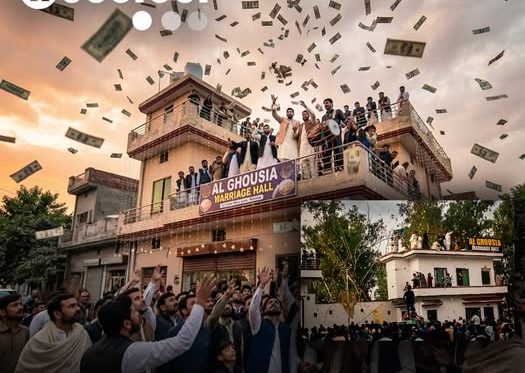
By Muhammad Atif Ismail
MULTAN, July 26 (APP): Weddings were once the most joyful gatherings in rural areas of South Punjab, where celebrations were shaped by community spirit rather than financial strength. Families welcomed guests into their homes instead of booking luxury halls, creating an atmosphere of warmth and belonging.
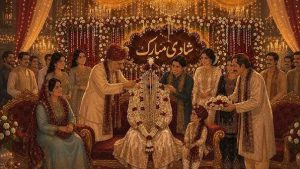
Neighbours volunteered in cooking, decorating, and serving guests. Elderly women sang traditional sehra and mehndi songs while children ran through courtyards filled with laughter. Wedding celebrations remained continue for days, yet very little money was spent compared to today’s standards.
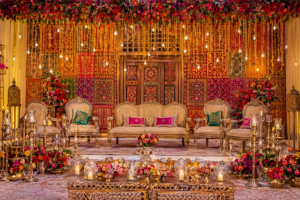
However, today, the picture has changed dramatically. Wedding celebrations have become more elaborate and costly, with greater emphasis on grand arrangements and luxury.
The simplicity and charm of the past have gradually given way to a more extravagant style of celebration.
The wedding industry has become one of the country’s fastest-growing consumer markets, said known literary figure Razi uddin Razi, while talking to APP.
Marriage ceremonies that once reflected culture now increasingly reflect purchasing power. Families compete over designer dresses, luxury marquees, cinematic photography, imported flowers, elaborate stage decorations, drone videography, and social media-worthy entrances, Razi maintained.
For many middle-income households, the biggest day of happiness has also become one of the biggest financial burdens of their lives.
The transformation is particularly visible across South Punjab, where centuries-old traditions are gradually disappearing under the influence of urban lifestyles, social media, commercialization and
inflation.
The old wedding customs of Multan, Bahawalpur, Muzaffargarh, Dera Ghazi Khan, Layyah, Rajanpur, Vehari and surrounding districts revolved around family participation. Every relative had a responsibility. Women prepared homemade sweets, neighbors cooked together and local musicians or family members performed traditional songs, remarked Razi.
He also added, many of those customs have been replaced by commercial services. Event planners manage weddings from beginning to end. Caterers prepare food. DJs replace folk singers. Wedding halls replace family courtyards.
Digital invitation cards replace handwritten invitations. Drone cameras replace family
photographers.
Commenting on cultural change in response to a query, he stated, the question is not whether change is inevitable. The real question is whether modernization has come at the cost of cultural identity.
Another social figure named Adeel Chaudhary, who runs a Welfare Society in village Pipli of district Vehari remarked that lower middle class and the poor families were under severe financial pressure due to this cultural change.
Perhaps no group has felt these changes more than lower middle class and the poor.
Adeel Chaudhary added, Inflation has increased the prices of food, clothing, gold, transportation and venue rentals. At the same time, social expectations have become significantly higher these days.
“Families often feel compelled to arrange lavish ceremonies not because they can afford them, but because they fear social criticism. Many borrow money, sell property, postpone savings, or remain under debt for years after hosting a wedding, observed Adeel.
Sociologist Sehar Shehzadi also hinted that weddings had increasingly become public demonstrations of financial status rather than private celebrations of family happiness.
Social media platforms have introduced a new culture of “picture-perfect weddings.”
Young couples now plan pre-wedding shoots, cinematic videos, coordinated color themes, luxury entrances, LED dance floors, flower showers and elaborate decorations not merely for guests present at the event, but for audiences watching online, she added.
She further observed that social media had transformed weddings from intimate family gatherings into carefully staged public spectacles, where celebrations are increasingly shaped by online appearances, trends and the desire to impress a wider audience.
About cultural traditions, Rahib Hussain, a social figure stated, “While new trends have added glamor, many cultural traditions are quietly fading away.
“Traditional mehndi songs are rarely heard”, said Rahib.
Similarly, the art of sehra singing is also disappearing. Community cooking has almost vanished, he recalled adding that the Courtyard weddings were becoming rare.
“Traditional hospitality is increasingly being replaced by commercial event management” he maintained.
Many elderly people including Riaz Lodhi, Malik Arif and Amjid Jandran observe these changes with mixed emotions. They appreciate improved facilities but worry that emotional warmth, simplicity and collective participation are disappearing.
They however also shared that modern weddings had also introduced many positive developments as professional event management reduces logistical burdens and some others. However, expenses increased remarkably as one marriage ceremony is not possible sans Rs one million.
They however maintained, the challenge, therefore, is not modernization itself, but maintaining a balance between convenience and cultural preservation.
They said that the region’s traditional wedding customs were not only aesthetically rich but also highly cost-effective, reflecting generations of cultural wisdom and simplicity.
According to them, every effort should be made to preserve and promote these traditions instead of allowing these to disappear under the pressure of increasingly extravagant celebrations.
While acknowledging that every era introduces new trends and that young couples naturally wish to incorporate modern elements into their weddings, they stressed that such changes should be adopted with balance and restraint.
Modernity, they argued, should not come at the cost of financial hardship. The growing culture of lavish wedding events has placed enormous economic pressure on middle-class and low-income families, forcing many to spend far beyond their means simply to meet social expectations.
This trend is not only weakening household finances but is also gradually eroding the region’s cultural identity by replacing meaningful traditions with expensive displays of wealth.
They emphasized that the happiness of children and newlyweds should remain a priority, but wedding ceremonies should be planned in a way that preserves those joyful moments without encouraging unnecessary expenditure.
A balanced approach, they concluded can protect both family finances and the cultural heritage that has defined wedding celebrations in South Punjab for centuries.