Moniba Iftikhar ISLAMABAD, Sep 29 (APP):The clock had barely crossed midnight when the young man suddenly clutched his chest. One moment he was laughing with friends; the next, his face had gone pale and his breathing became heavy. There was no dramatic warning, no long history of heart disease just a frightening moment that forced everyone around him to ask the same question: Could this have …
Moniba Iftikhar
ISLAMABAD, Sep 29 (APP):The clock had barely crossed midnight when the young man suddenly clutched his chest. One moment he was laughing with friends; the next, his face had gone pale and his breathing became heavy.
There was no dramatic warning, no long history of heart disease just a frightening moment that forced everyone around him to ask the same question: Could this have been prevented?
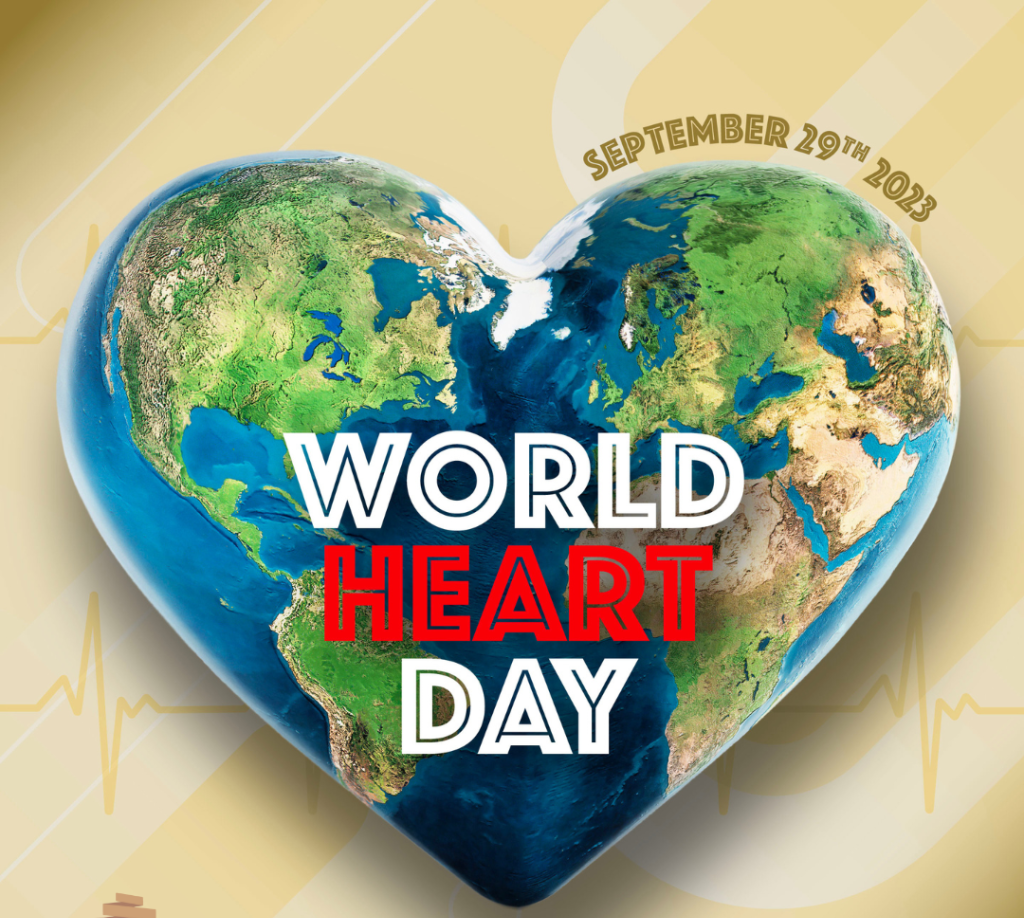
That question is becoming increasingly important as the world observes World Heart Day 2026 on September 29, under the theme “Don’t Miss a Beat.”
The day serves as a reminder that cardiovascular health is not only a concern for older people or those already diagnosed with heart disease, but a lifelong responsibility requiring awareness, prevention and timely medical
care.

Behind every heart-disease statistic is a human story a family waiting anxiously outside an emergency room, a mother frightened by her son’s sudden illness, a wife praying beside her husband’s hospital bed, or a young person discovering that age alone does not guarantee protection from cardiovascular problems.
Cardiovascular diseases remain the leading cause of death globally, claiming millions of lives every year. Yet doctors say many risk factors can be identified and addressed before they develop into a life-threatening emergency.
Talking to APP, Assistant Executive Director, Polyclinic and Assistant Professor of Community Medicine Dr Abdul Jabbar Bhutto stressed the importance of early detection, describing prevention as the first line of defence against heart disease.
“Do not wait for your heart to give you a frightening warning before you decide to listen to it,” he said, urging people to take preventive healthcare seriously.
Dr Abdul Jabbar Bhutto advised people to undergo early screening twice a year, particularly those with risk factors or a family history of cardiovascular disease, while stressing that individual screening needs should be determined in consultation with qualified healthcare professionals.
He also urged people to make regular physical activity part of their daily routine, maintain a healthy body weight and give adequate attention to sleep.
“A person may not feel the damage today, but years of inactivity, unhealthy eating, excess weight and poor sleep can quietly build risks that the heart eventually has to bear,” he said.
For many people, however, changing their lifestyle remains difficult.
A young office worker said long working hours, commuting and late-night screen time had left little room for exercise.
“I used to believe that because I was young, I could postpone taking care of my heart, but now I realize tomorrow is not something we are promised,” he said.
Another citizen recalled becoming concerned about his weight and constant fatigue.
“I realized I could not keep waiting for a doctor to tell me something was wrong; I had to start changing my routine before my body forced me to,” he said.
For families who have experienced a cardiac emergency, the lesson can be even more painful.
One relative, recalling the night a family member was rushed to hospital, described the fear of waiting outside the emergency ward.
“Those few minutes felt like hours; every time the emergency-room door opened, we feared the worst,” the relative recalled.
Heart specialist Dr Muhammad Saeed Ullah said the changing pattern of cardiovascular disease required greater awareness among younger people and women.
“Never tell yourself that you are too young for a heart problem; sometimes the person who feels invincible is the person who ignores the first warning,” he cautioned.
Dr Saeed Ullah strongly advised people against self-medication, particularly when experiencing chest discomfort, breathlessness, palpitations, dizziness or unexplained weakness.
“When your heart sends an unfamiliar signal, do not silence it with medicine taken on someone else’ s advice; find out why the signal is there,” he said.
He advised young people below 25 to 30 years of age who have symptoms, significant risk factors or a family history of cardiovascular disease to consult a qualified doctor regarding appropriate screening, rather than assuming that youth automatically means immunity from cardiovascular problems.
He also stressed greater awareness among women, saying, “A woman who spends her life caring for everyone else must also remember that her own heartbeat deserves attention.”
Another group facing a difficult challenge is the growing number of people working night shifts. For them, the city may be waking up just as their working day ends.
Dr Saeed Ullah urged night-shift workers to pay particular attention to adequate sleep, healthy eating and regular physical activity.
“When the rest of the world is sleeping, these workers are keeping hospitals, factories, offices and services running, but their own bodies still need the sleep and recovery they often sacrifice,” he said.
A night-shift journalist described his struggle: “When I return home after sunrise, I am so exhausted that sleep becomes my only priority and exercise and healthy meals are pushed to another day.”
Meanwhile, the family waiting outside the emergency department sat in silence, staring at the closed doors behind which their loved one was fighting for his life. Every hurried footstep made them look up. Every approaching doctor brought a moment of hope and fear.
For them, cardiovascular disease was no longer a medical term or a statistic. It had become the flashing lights of an ambulance, the rush through hospital corridors and the unbearable wait to hear whether the heartbeat they loved would continue.
Doctors say such moments can be preceded by warning signs that people dismiss in the rush of everyday life. A sleepless night is ignored, unusual pain is blamed on exhaustion, breathlessness is attributed to stress, and a medical check-up is postponed for another day.
But another day may not always come.
That is why experts stress that healthy routines require conscious effort not after illness strikes, but while a person still feels well. Regular physical activity, adequate sleep, maintaining a healthy weight, timely screening and seeking professional medical advice when unusual symptoms appear can all help protect the heart.
For the family behind those hospital doors, the lesson had arrived with frightening clarity: the heart may whisper long before it screams.
And that is where the message of World Heart Day 2026, “Don’t Miss a Beat,” takes on a deeply human meaning.
It is a reminder to notice the small changes, listen to the body and act before a warning becomes an
emergency.
Because sometimes the difference between fear and hope is measured in minutes and sometimes saving a life begins with one simple decision: do not ignore the warning; seek help before it is too late.