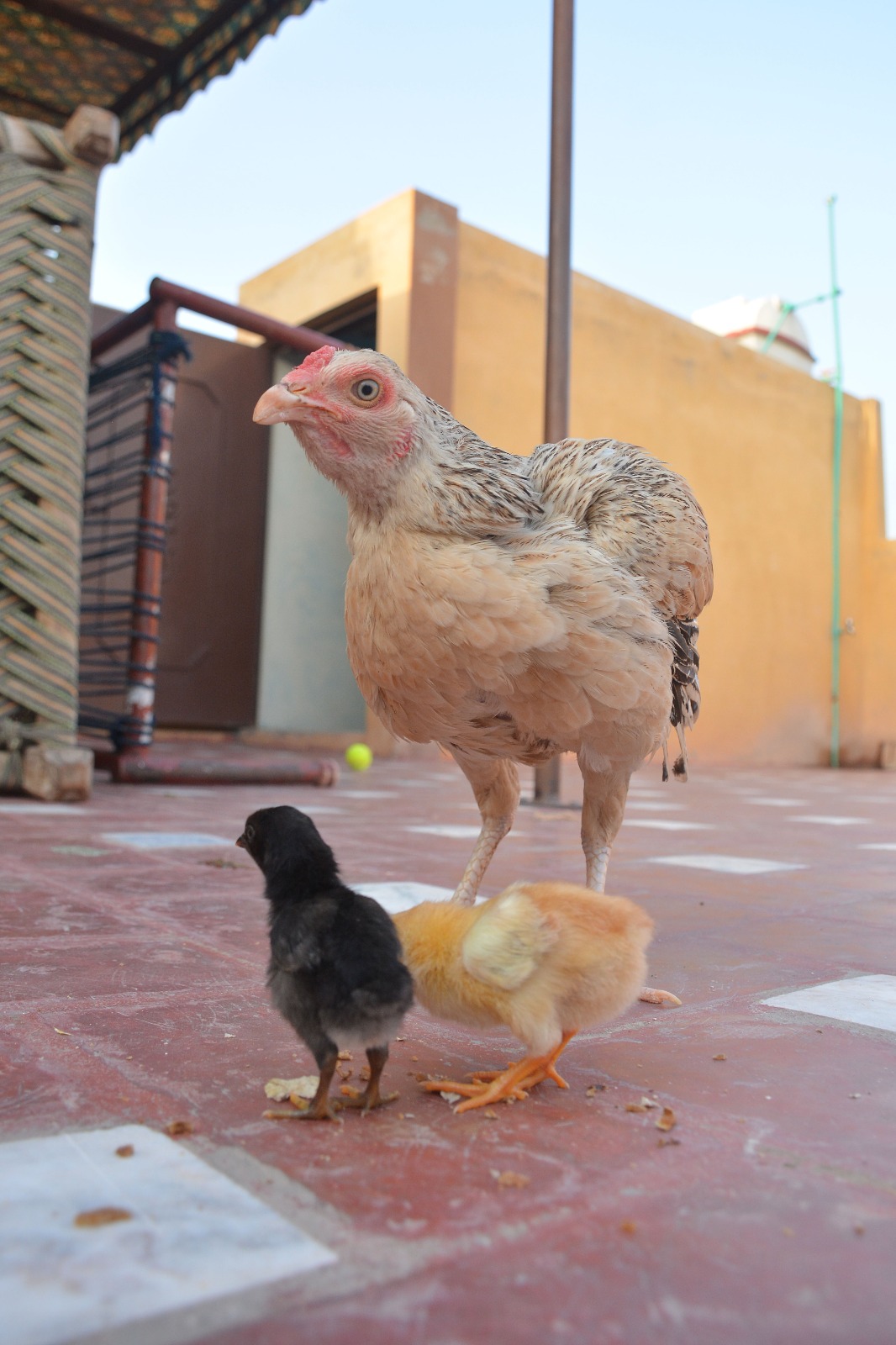
Muhammad Atif Ismail Multan, Sep 20 (APP):Once a very familiar sight in courtyards and open spaces of rural homes, "desi murghi" (poultry) is finding its way back into households as people are often seen reviving the age-old tradition of keeping native chickens for eggs, meat and the simple pleasure of raising birds at home. For many families, keeping desi poultry is no longer merely a rural practice but has become …
Muhammad Atif Ismail
Multan, Sep 20 (APP):Once a very familiar sight in courtyards and open spaces of rural homes, “desi murghi” (poultry) is finding its way
back into households as people are often seen reviving the age-old tradition of keeping native chickens for eggs, meat and the simple pleasure of raising birds at home.
For many families, keeping desi poultry is no longer merely a rural practice but has become part of a hospitality culture, where guests often arrive with a popular request: “We want desi chicken.” In some households, serving a desi chicken dish to visiting relatives is not just a meal but a matter of pride, warmth and traditional hospitality, making the humble bird a cherished part of family gatherings.
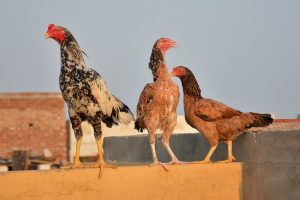
The growing demand is also visible outside homes, as restaurants and roadside eateries increasingly offer desi chicken dishes, with some establishments becoming known among customers for their traditional chicken
recipes.
Senior Veterinary Officer Dr Jamshaid Akhtar while talking to APP said the practice of keeping desi poultry had not declined; rather, it had increased with renewed interest among people in desi chicken and its traditional
taste.
For some families, however, what starts with excitement after buying a few birds does not always continue with the same enthusiasm.
People often bring chickens home with great excitement, but maintaining a healthy flock requires regular care, suitable shelter, proper feeding and timely vaccination, he observed.
When birds fall sick and owners are unable to identify the problem or provide treatment in time, the initial enthusiasm gradually fades, he hinted. However, a good number of people nurture desi Poultry in amicable way.
Similarly, the experience of Alipur’ s farmer Rana Sultan offers a glimpse into how desi poultry can become a useful household activity when managed with care.
Last year, Sultan nurtured around 75 chickens and got up to 64 eggs a day from his flock, although production generally remained between 50 and 60 eggs. Some of the eggs were sold, while others were given as gifts to relatives, friends and neighbors.
“I sold birds from my flock and received good prices, turning what started as a household interest into a small-scale source of eggs, meat and income. When I bought the chickens, each bird weighed around 600 grams and I purchased them at Rs900 per kilogram,” Sultan told APP.
His approach to feeding is closely connected with the household itself. Instead of allowing kitchen waste to go unused, his family collects items such as leftover rice, vegetables, fruit and other suitable household waste in a separate container and uses it as part of the chickens’ feed.
At times, the family also provides commercial feed and wanda to improve the birds’ nutrition and production.
The arrangement has another advantage: the chickens remain part of everyday family life. They move around the courtyard during the day, while a separate enclosed area provides protection at night.
Sultan added, I installed wire netting around the poultry area to protect the birds from cats, dogs and other animals. The arrangement also helped protect eggs and gave the chickens a relatively secure place to stay.
But keeping desi poultry is not simply about feeding birds and collecting eggs. Disease remains one of the major challenges for small household flocks, he shared his experience.
Sultan said chickens could suffer losses when they were not vaccinated properly. He specifically mentioned Newcastle disease, commonly known as Ranikhet, saying changes in disease strains and mutations could affect the effectiveness of older vaccination approaches. Ranikhet is name of a region from wherein the disease emerged.
He stressed that farmers should ensure timely vaccination and seek veterinary advice when birds show signs of illness.
According to Rana Sultan, minor diseases can occur from time to time, but timely treatment can help keep the flock healthy and prevent small problems from becoming major losses.
He also called for greater awareness at the grassroots level, suggesting that livestock teams should visit villages and union council areas, announce vaccination campaigns locally and provide vaccination facilities to households keeping poultry.
Similarly, Muhammad Javed from Pipli village of district Vehari maintained that he recently brought 40 birds. Month of September is very much important for bringing and nurturing the birds in homes. He added that Desi poultry is top choice of people during feasts.
The story of desi poultry is therefore not only about chickens returning to household courtyards. It is also about an old connection between families, food and self-reliance finding new relevance.
A few birds can provide fresh eggs for the family, become a source of additional income, consume some household food waste and, perhaps most importantly, preserve a tradition that many people associate with the taste and hospitality of their childhood.
As demand for desi chicken continues to appear on household dining tables as well as restaurant menus, the backyard flock is quietly becoming part of a changing rural economy too, where an old-fashioned household practice is taking on a new commercial and social life, carrying with it the flavor of tradition, the warmth of hospitality and the promise of a livelihood rooted in the simple rhythm of rural life.