
Moniba Iftikhar ISLAMABAD, Sep 6 (APP):Imagine a journey where a traveler can begin at the birthplace of Guru Nanak Dev Ji, walk through the ancient ruins of Gandhara, pause at centuries-old Hindu temples and historic churches, and end beneath the domes of a magnificent mosque or at a Sufi shrine steeped in devotion. For travellers looking beyond ordinary destinations, Pakistan offers a journey where every stop tells a story a …
Moniba Iftikhar
ISLAMABAD, Sep 6 (APP):Imagine a journey where a traveler can begin at the birthplace of Guru Nanak Dev Ji, walk through the ancient ruins of Gandhara, pause at centuries-old Hindu temples and historic churches, and end beneath the domes of a magnificent mosque or at a Sufi shrine steeped in devotion.
For travellers looking beyond ordinary destinations, Pakistan offers a journey where every stop tells a story a written across centuries of faith, culture, civilization and coexistence.
From ancient Buddhist remains to Sufi shrines, temples and gurdwaras, the country opens a remarkable window into histories and traditions that continue to shape communities.
Yet Pakistan’s religious tourism story remains one of its least explored possibilities.
Its sacred heritage is not frozen in ancient stones; it lives in places where worship continues, pilgrims arrive and traditions remain part of everyday life.
Across the country, mosques, shrines, gurdwaras, temples, churches and Buddhist archaeological sites create a diverse sacred landscape. For international travellers, these places offer more than just architecture. They open a window into civilizations, faith traditions and histories that continue to shape communities.
Islamic heritage forms a major part of this landscape, from Badshahi Mosque and Faisal Mosque to Data Darbar, Lal Shahbaz Qalandar and the shrine of Shah Abdul Latif Bhittai, where architecture, devotion, poetry and centuries of spiritual traditions converge.
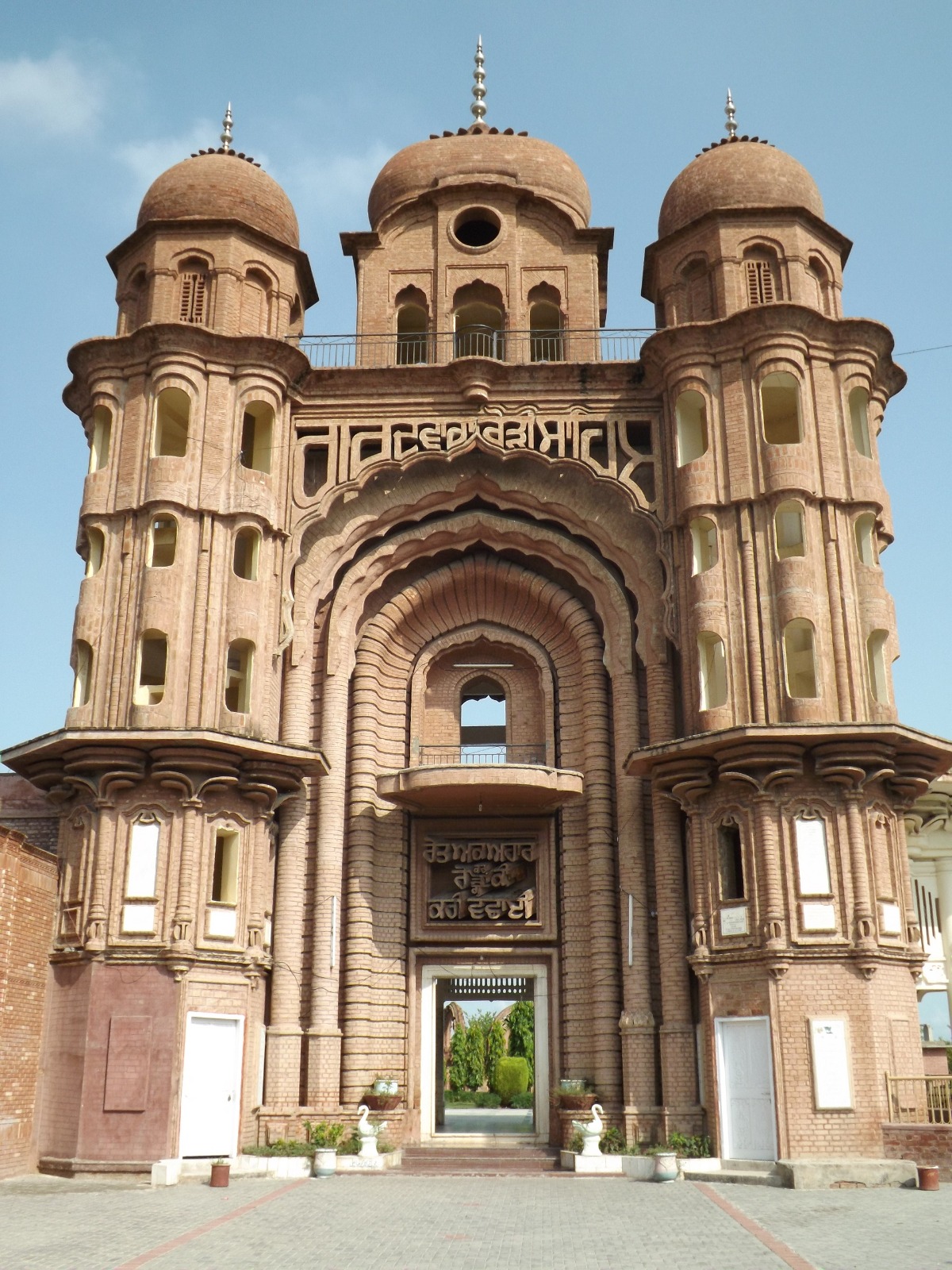
For Sikhs, Pakistan carries an especially deep significance. Nankana Sahib, the birthplace of Guru Nanak Dev Ji, remains at the heart of Sikh pilgrimage, while Gurdwara Panja Sahib, Gurdwara Darbar Sahib Kartarpur and Gurdwara Dera Sahib connect visitors with a history extending far beyond borders.
The emotional pull of this heritage was vividly reflected during few months back visit to Gurdwara Panja Sahib by Tarik Ali Khan, High Commissioner of Canada to Pakistan.
“I’m so excited to be here at one of the holiest shrines of Sikhism, Gurdwara Panja Sahib, right here in Pakistan. Canada has the second largest Sikh population in the world, and I’m really privileged to be here on Vaisakhi and during Sikh Heritage Month. The day Guru Gobind Singh gave the Sikh nation its identity, it is called to serve, and it’s also a celebration of the spring harvest festival.”
His words reflected the powerful connection that sacred places can create between a traveler and a heritage that has survived across generations.
The story of these places becomes even more compelling when seen through the eyes of those entrusted with their preservation and the facilitation of pilgrims.
Nasir Mushtaq, Additional Secretary (Shrines) at the Evacuee Trust Property Board said Pakistan’s religious landscape carried stories that stretched far beyond monuments and old walls. From sacred gurdwaras and historic Hindu temples to the Sufi shrines of Punjab, these places continue to breathe with prayer, tradition and spiritual devotion.
He said the Shrines Department manages major Sikh and Hindu religious sites and facilitates pilgrims through special trains, secure accommodation, medical assistance, currency exchange facilities and arrangements for religious ceremonies.
Among the important destinations are Gurdwara Janam Asthan, Panja Sahib, Kartarpur and Dera Sahib, alongside Katas Raj, Sadhu Bela and Shadani Darbar.
Punjab’s spiritual heritage also lives beneath the domes of Sufi shrines associated with Hazrat Data Ganj Bakhsh, Hazrat Baba Farid, Hazrat Bahauddin Zakariya and Hazrat Shah Hussain, where generations of devotees have sought prayer, peace and spiritual connection.
Mushtaq appreciated the Punjab government, particularly Chief Minister Maryam Nawaz, for giving greater attention to religious tourism and improving facilities for yatrees. He said the growing focus on Sikh, Hindu and Sufi heritage was strengthening Pakistan’s religious tourism potential and making sacred journeys more accessible.
“The Shrines Department continues to serve devotees with transparency, respect and dedication,” he said, adding that improving facilities while protecting the cultural and spiritual character of these places remained a priority.
For those who see this heritage not merely as a collection of historic sites but as a bridge between communities, the potential is equally significant.
Harmeet Singh, a journalist from Islamabad, told APP that Pakistan’s Sikh heritage had enormous potential for religious tourism and could bring international visitors closer to the history and traditions of the Sikh faith. He said preservation, accessibility, security and better visitor facilities would be essential for making the country an even more attractive destination.
But Pakistan’s sacred map does not belong to one faith alone.
Katas Raj Temples, Sadhu Bela and Krishna Mandirs preserve important chapters of Hindu heritage, while historic churches across Lahore, Karachi, Rawalpindi and Islamabad reflect the country’s Christian legacy.
Then comes Gandhara, an ancient Buddhist world spread across the archaeological landscape of northern Pakistan.
Taxila, Dharmarajika Stupa and surrounding remains recall a civilization that flourished more than two thousand years ago and became a centre of Buddhist learning, art and culture.
Here, the story of religious tourism moves beyond the preservation of the past and towards an effort to introduce Pakistan’s sacred heritage to new audiences across the world.
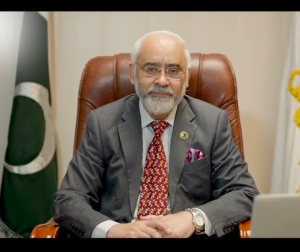
Aftab Ur Rehman Rana, Managing Director of the Pakistan Tourism Development Corporation (PTDC), told APP that the government was currently focusing on two major segments of religious tourism: Buddhist Gandhara heritage-based tourism and Sikh heritage-based tourism.
The approach, he explained, is not limited to identifying destinations. PTDC has prepared detailed tourism trail brochures for both segments to provide visitors in source markets with information about important religious and heritage sites.
For Gandhara tourism, the material has also been prepared in Korean and Chinese, reflecting the importance of these two markets for Buddhist tourism.
The strategy reaches far beyond printed material.
Aftab Rana said Pakistan was building links between its tour operators and operators in countries with strong Buddhist tourism potential, including Korea, Japan, Thailand, Indonesia, Malaysia, Vietnam and China. Joint webinars are being organized, while monks from these countries are being invited to Pakistan to experience the sites themselves and subsequently promote them in their respective communities.
The message is increasingly travelling through people who can tell the story in their own voices.
The PTDC has invited Korean bloggers to visit and document Buddhist heritage sites through vlogs, while Chinese bloggers with millions of followers have also visited Pakistan and extensively promoted the destinations after returning home.
International tourism exhibitions are another part of the outreach. Pakistani tour operators are being sent to expos in different countries to promote the country’s religious heritage. Rana said a delegation was also travelling to Vietnam, a market where PTDC currently sees considerable potential for Buddhist tourism, with a Vietnamese delegation expected to visit Pakistan afterward.
The effort is being matched by work on the ground.
He said the PTDC was coordinating with provincial governments to improve tourist facilities and infrastructure around heritage destinations. Meetings were being held with the Khyber Pakhtunkhwa and Punjab governments, with a road-map developed and several projects already initiated to improve sites and visitor facilities.
For Sikh tourism, the focus is particularly on foreign Sikh communities in Europe, the United Kingdom, the United States and Canada.
The MD added PTDC had developed extensive networks with tour operators in these markets, while Pakistani operators were regularly conducting Sikh pilgrimage tours. Visa facilitation had also been provided to make the process easier for pilgrims, contributing to an increase in Sikh arrivals from these markets.
Facilities at major gurdwaras are also being strengthened.
According to Rana, provincial Tourism and Auqaf departments have improved facilities at Panja Sahib, Nankana Sahib and Kartarpur, while improvements have also been made at Odi Sahib and Hazrat Shahzada Gurdwara in Shakarpura so pilgrims can undertake their journeys with greater ease.
The next step, he said, is to take the message directly to Sikh communities abroad, with Pakistani tour operators encouraged to meet the sangat at their local gurdwaras and promote pilgrimage to Pakistan more actively.
The reward of religious tourism, however, extends beyond the visitor experience.
Every pilgrim needs accommodation, transport, a guide and often a local product to take home. Rana said both Buddhist and Sikh tourism could have a “very positive impact” on local economies because visitors use accommodation and transport, buy handicrafts and hire local guides.
The potential is particularly significant in Peshawar, Mardan, Charsadda, Swabi, Lower Swat and Taxila, where increased tourist traffic could create employment opportunities for communities around Gandhara sites. PTDC is also conducting training programmes for tour guides and craftsmen to produce quality souvenirs.
But perhaps the most meaningful return cannot be measured in rupees.
Rana said encounters between people of different religions allow them to understand other faiths better and can contribute to greater religious tolerance.
To develop this vision further, PTDC is planning a national-level conference on religious tourism in Islamabad, with international delegates expected to participate. The objective, Rana said, is to bring stakeholders together and develop a long-term strategy through consultation.
Pakistan’s opportunity is therefore not simply to restore old buildings or place heritage sites on tourism maps. It is to create meaningful journeys supported by transport, accommodation, trained guides, multilingual information, security, modern facilities and careful preservation.
The country’s sacred heritage is already alive in prayers, pilgrim footsteps, ancient stupas, gurdwaras, temples, churches, mosques and Sufi shrines.
What remains is to connect these scattered chapters into one compelling story, allowing every traveler to discover not merely a destination, but a passage through humanity’s shared spiritual history.