

By Fakhar e Alam
PESHAWAR, Mar 04 (APP):High in the alpine meadows of Azad Kashmir, the endangered Kashmir markhor, which once leapt freely across rocky cliffs nourished by glacial streams, is under heightening threat following Indus Water Treaty (IWT) violations by India.
Along the banks of the Indus, fishermen recall when river currents shimmered with life. Today, conservationists fear that if the waters in western rivers slow, so too will the fragile heartbeat of Kashmir markhor and an entire ecosystem.
The holding of the Indus Waters Treaty (IWT) in abeyance by India has triggered alarm among environmental and wildlife experts, who warned that wildlife and aquatic ecosystems in Azad Kashmir and Punjab could face severe consequences if western river flows are reduced.
“Without water, there is no wildlife,” said former Chief Conservator of Wildlife KP Dr Mumtaz Malik, who described water as the lifeline of Himalayan biodiversity.
“Water is essential for wildlife survival. Conservation efforts in Azad Kashmir and Punjab will suffer immensely if western river flows decline and regional food chain will be affected,” he said.
Azad Kashmir’s unique landscape ranges from subtropical forests to alpine meadows, habitats that support endangered species such as Kashmir markhor, snow leopard, himalayan brown bear, musk deer and himalayan goral
Eurasian lynx.
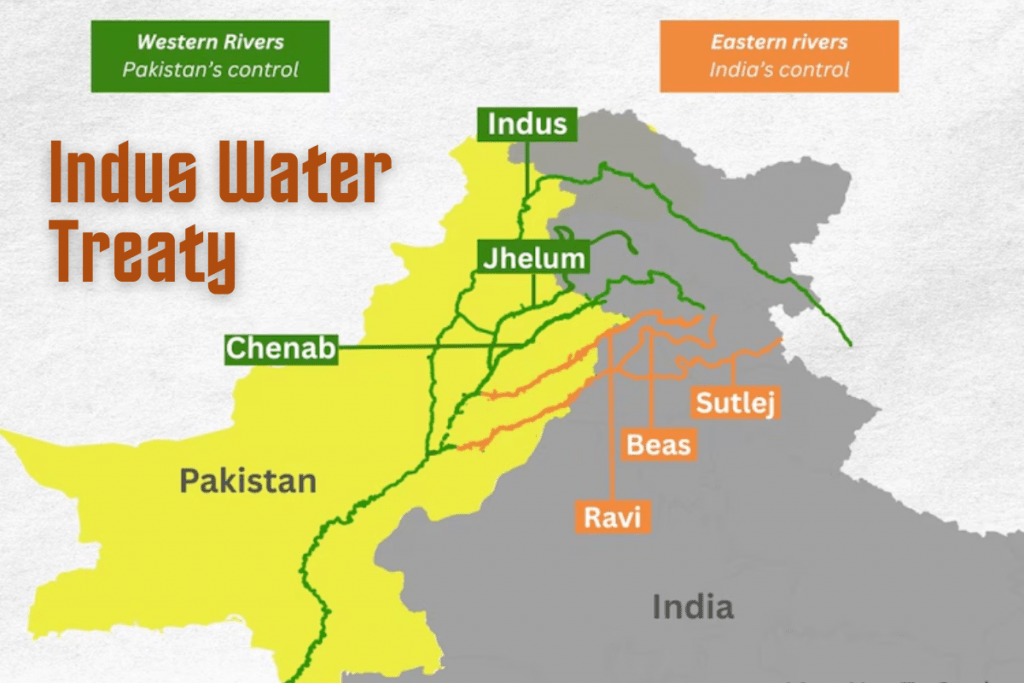
These wild species rely on uninterrupted freshwater systems fed by the Indus basin, particularly the western rivers of Indus, Jhelum, and Chenab.
Environmentalists warned that reduced flows would not only shrink drinking sources but also degrade vegetation, accelerate habitat loss, and disrupt breeding cycles.
The Indus River, Jhelum River, and Chenab River form the ecological backbone of the region. Beyond agriculture and drinking water, they sustain wetlands, forests, and fragile mountain ecosystems.
“When there is no water, there are no habitats. And when habitats collapse, conservation programs collapse,” Dr Mumtaz Malik emphasized.
He warned that declining water availability could reduce populations of mammals such as the wolf, rhesus macaque, pangolin, barking deer, and other species already pressured by climate change and habitat fragmentation.
Professor Shafiqur Rehman, former Chairman of Environmental Sciences at the University of Peshawar, said the persistent threat posed by IWT violations by India goes beyond wildlife and aquatic resources.
“Wildlife and biodiversity keep ecosystems healthy and support sustainable agriculture and food security,” he explained.
“Reduced water flow increases the risk of desertification and drought. That means hunger, poverty, and food insecurity for millions of people in the region.”
Pakistan is already ranked among the 10 countries most vulnerable to climate change.
Reduced rainfall patterns and glacial melt variability have strained ecosystems and wildlife conservation. Experts warned that additional water stress could trigger
Increased desertification, migration of wildlife and bee populations, orchards and cop failures.
“Water scarcity is not just an environmental issue,” Dr Shafiqur Rehman said. “It is a human survival issue,” he reiterated.
He called on global conservation and financial institutions, especially the World Bank, to intervene and stop India’s IWT violations.
The World Bank, which brokered the Indus Waters Treaty in 1960, is being urged to ensure compliance and protect ecological stability in the region.
Experts also questioned the poor response from global conservation bodies, including World Wide Fund for Nature (WWF).
International Union for Conservation of Nature (IUCN), Wildlife Conservation Society (WCS), and Convention on International Trade in Endangered Species of Wild Fauna and Flora (CITES) on IWT violations by India.
They argued that biodiversity loss in the Himalayas would have ripple effects across South Asia’s ecological network.
Bird species such as the Himalayan monal, Himalayan snowcock, Chukar partridge, and Eurasian eagle-owl could also suffer habitat and population decline if freshwater systems shrink.
“Water sustains the entire food chain,” Dr Mumtaz Malik said. “Starvation at one level spreads across the ecosystem and it’s right time to act against the weaponization of water.”
From mountain predators like the snow leopard to pollinators that sustain orchards and crops, experts warned that ecological imbalance could extend far beyond forest boundaries, ultimately affecting millions of people dependent on these natural systems.
For villagers along the riverbanks in Azad Kashmir and Punjab, the IWT issue is deeply personal. Water is not just a treaty clause; it is irrigation for wheat fields, drinking water for livestock, wildlife and life for forests.
Conservationists said that environmental stability should rise above political disputes.
As the rivers flow from the Himalayas into the plains, they carry more than water; they carry the survival of wildlife species, livelihoods, and future generations.
If those waters diminish, experts feared, the silence in the mountains and forests may grow deeper than anyone anticipates and human populations will be adversely affected.