
PESHAWAR, Jan 07 (APP):Standing quietly amid the bustle of Peshawar, the lone Gandhara museum in world being a timeless guardian of South Asia’s ancient Buddhist heritage, started attracting visitors' attention at night. Home to one of the world’s finest collections of Gandhara art, the museum continues to inspire visitors across generations as many believe its priceless legacy deserves a stronger digital voice to reach the world beyond its walls. This …
When night falls, Peshawar museum lights up City’s cultural soul
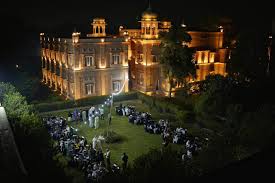
PESHAWAR, Jan 07 (APP):Standing quietly amid the bustle of Peshawar, the lone Gandhara museum in world being a timeless guardian of South Asia’s ancient Buddhist heritage, started attracting visitors’ attention at night.
Home to one of the world’s finest collections of Gandhara art, the museum continues to inspire visitors across generations as many believe its priceless legacy deserves a stronger digital voice to reach the world beyond its walls.
This sentiment was recently echoed by an unlikely advocate Malaika Khan, a seventh-grade student whose visit to the museum sparked both wonder and reflection.
Accompanied by her parents, Malaika walked through galleries filled with centuries-old sculptures, relief panels, and biographical displays narrating the life of Lord Buddha, the founder of Buddhism.
“Seeing the rare artifacts and statues of Lord Buddha felt like stepping back in time,” she said, her eyes lighting up as she recalled the visit. “These stories should be shared with the world especially through digital media.”
Her words capture the essence of the Gandhara Museum’s mission to preserve and present a civilization that flourished between the 2nd century BC and the 6th century AD, shaping Buddhist art across Southeast and Central Asia.
With more than 30,000 rare antiquities, the museum is internationally renowned for its exquisite Buddhist sculptures carved in stone, schist, and stucco, attracting tourists from across the globe.
Beyond its collections, the museum itself is an architectural marvel. Built in 1906 in memory of Queen Victoria, the structure blends Mughal elegance with British colonial design, standing as a historical artifact in its own right.
Recent renovations have restored the building’s grandeur while modernizing visitor facilities, ensuring both preservation and accessibility.
The restoration became essential after the museum suffered damage from natural disasters. Today, its revitalized galleries including the Buddha Gallery and Buddha Savatta Gallery once again draw scholars, monks, diplomats, and tourists eager to explore the early narrative of Buddhism.
Bakhtzada Khan, Assistant Director of Archaeology and Museums, said the renovation work carried out by the Directorate of Archaeology and Museums has transformed the site into a vibrant cultural destination.
“Every effort was made to preserve the colonial-era features while enhancing the visitor experience,” he explained.
“The museum now reflects both historical authenticity and modern presentation.”
As dusk settles, the museum’s exterior comes alive under colourful illumination, creating a magical nighttime presence that attracts evening visitors.
Inside, the galleries extend beyond Buddhist art, showcasing ancient tribal dresses from Waziristan, primitive cooking tools, traditional weapons, and relics from the freedom struggle together forming a rich tapestry of regional history.
Amid admiration for its revival, Malaika offered a forward-looking suggestion of highlighting its treasures through digital media.
“By projecting these treasures through digital platforms, Pakistan can attract more religious tourists and archaeology lovers from around the world,” she said confidently.
Her idea resonates with museum experts and cultural stakeholders who see technology as a powerful tool for preservation and storytelling.
Virtual exhibitions, online archives, and digital tours could connect global audiences to Gandhara’s legacy while contributing to cultural tourism and economic growth.
As the Gandhara museum continues to welcome diverse visitors, its journey now stands at a crossroads between tradition and innovation.
By embracing digital outreach, the museum could ensure that the stories of Lord Buddha and the artistic brilliance of the Gandhara civilization echo far beyond Peshawar of educating, inspiring, and uniting future generations across continents.