M Atif Ismail MULTAN, May 01 (APP):In homes across Pakistan, a quiet force sustains the rhythm of daily life — women whose hands clean, cook, care, and comfort without pause or praise. These are the housemaids — the often-overlooked backbone of countless households, whose dedication brings order, warmth, and stability to family life. Though their work rarely makes headlines, it is essential, honourable, and deeply deserving of respect. Millions of …
The silent backbone: Honouring housemaids and recognising their essential role
M Atif Ismail
MULTAN, May 01 (APP):In homes across Pakistan, a quiet force sustains the rhythm of daily life — women whose hands clean, cook, care, and comfort without pause or praise. These are the housemaids — the often-overlooked backbone of countless households, whose dedication brings order, warmth, and stability to family life.
Though their work rarely makes headlines, it is essential, honourable, and deeply deserving of respect.
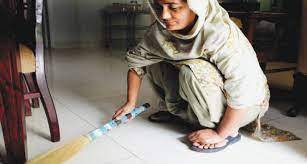
Millions of women across Pakistan serve as housemaids, forming a critical part of the urban workforce. They begin their day before many others, moving from one household to another, performing physically demanding tasks with care and commitment. Their hands carry the weight of not just their employers’ needs, but also the dreams and survival of their own families.
Recognising this invisible labour, the government has taken meaningful steps to improve their welfare. The Labour Department has now fixed hourly wages for part-time domestic workers — including housemaids — ensuring fair compensation for every minute of their work. This move marks a shift toward recognising the economic value of their contributions in clear, legal terms.
An equally significant development is the ongoing effort to formally register housemaids. Registration will grant them access to vital welfare initiatives such as healthcare, legal assistance, and social protection programmes. Once included in the national database, they can benefit from state-sponsored support systems — a long-overdue acknowledgment of their role in society.
Sania Bibi, a housemaid who has worked in three households in Multan for the past eight years, shared her thoughts on these reforms: “People think we just clean, but we do so much more. We manage homes. We support lives. I’m proud the government is finally noticing us. When I heard about the registration and fair wages, I felt seen — like someone was finally thinking about us too.”
Legal protections have also been strengthened. In cases of mistreatment or abuse, authorities are now required to respond within 24 hours, demonstrating a serious commitment to safeguarding the dignity and safety of domestic workers.
In many homes, housemaids become more than just employees. They evolve into trusted companions — sharing in the family’s joys, supporting them in difficult times, and offering emotional strength along with practical help.
Madeeha, a housewife in Multan, spoke with deep affection about her housemaid: “She’s been with me for six years. When I was unwell, she cared for my children. She keeps my house in harmony. She is like a sister to me. People need to understand that these women are a blessing, not just staff. They deserve honour.”
Across Pakistan, there are countless such stories — bonds forged between housemaids and employers rooted in mutual respect, kindness, and trust. These relationships represent the best of our society: where compassion rises above class, and dignity transcends roles.
As laws evolve and awareness grows, the conditions for housemaids are gradually improving. Yet their work has always been noble — whether it was recognised or not. Their uniforms may be informal, their schedules exhausting, and their names absent from records, but their impact is unmistakable in every clean floor, every warm meal, and every peacefully resting child.
It is time society acknowledged them more openly. Community awareness campaigns, school education, and respectful employer practices — such as timely payments, designated rest days, and kind treatment — can go a long way in making them feel valued.
These women are not just workers — they are caretakers, protectors, and quiet heroines of everyday life. Their strength lies in their patience, their commitment to service, and their unwavering determination to uplift their families through honest labour.
As Pakistan takes steps to protect and empower its domestic workforce, we too must shift our mindset — not from pity, but from gratitude. Housemaids are not invisible. They are the steady hands and warm hearts behind many well-run homes.
By honouring their contributions and supporting their rights, we move closer to a society that values every form of work, respects every worker, and uplifts those who serve with sincerity.