

By M Atif Ismail
MULTAN, Feb 15 (APP):Punjab’s government-backed vocational education system is emerging as a key driver of employment and overseas workforce development, with an impressive 82 percent job placement rate among graduates trained in more than 60 technical trades, according to a recent survey conducted by the Punjab Planning & Development Department.
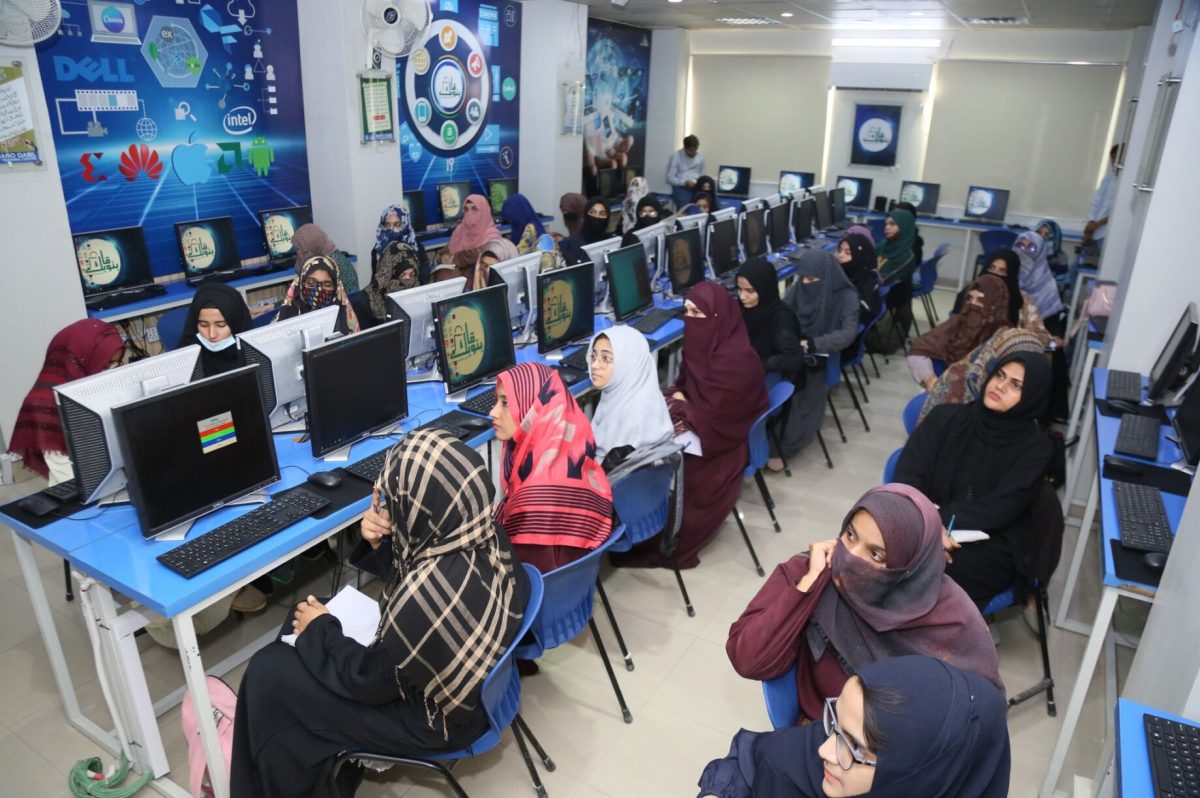
The findings highlight the growing impact of technical and vocational training institutes operating under government supervision across the province. These institutions, financially supported by the Punjab Skills Development Fund, currently train nearly 75,000 students in diverse skill areas ranging from construction and mechanical technologies to information technology and healthcare. Authorities are now working to expand enrollment to 100,000 trainees in the coming phase.
Speaking to Associated Press of Pakistan (APP)in an exclusive interview, Regional Manager of the Punjab Vocational Training Council, Asif Ali, said that the demand for skilled labour is rising rapidly in international markets, particularly in Saudi Arabia and other Gulf countries. He noted that approximately 5,000 trained workers from Punjab have already secured employment abroad between July and the present period, reflecting the global recognition of Pakistani technical talent.
According to him, sectors such as healthcare, construction, mechanical services, and information technology are currently experiencing strong recruitment trends internationally. In response to evolving market needs, vocational institutes have also introduced new programs in hospitality, hotel management, and food processing assistance to align training with emerging employment opportunities.
South Punjab alone accounts for nearly 15,000 trainees undergoing skill development, reflecting a growing shift among young people toward technical education as a practical pathway to employment and economic stability.
Officials further revealed that the provincial government has introduced a special facilitation initiative the “Parwaaz Card” , aimed at supporting skilled workers seeking overseas employment. The program is designed to ease financial barriers and streamline mobility for graduates intending to work abroad.
Education and labour experts view the expanding vocational training ecosystem as a strategic response to unemployment and a step toward creating a globally competitive workforce. With increasing investment, broader enrolment targets, and stronger international demand, Punjab’s technical education sector appears poised to play a pivotal role in reshaping the province’s economic future.
As policymakers continue to strengthen skill-based education, the province’s vocational institutions are increasingly being seen not merely as training centres, but as engines of socioeconomic transformation equipping youth with practical expertise and opening doors to opportunities far beyond national borders.