FAISALABAD, Sep 16 (APP):Chief Scientist Ayub Agricultural Research Institute (AARI) Dr Sajid-ur-Rehman said that sustainable growth in Pakistan’s cotton production cannot be achieved merely by expanding the cultivated area rather quality seed, improved varieties, modern production technology, timely agricultural guidance and effective transfer of research findings to the farmers are required to achieve this target. He was speaking at the “Cotton Travelling Seminar 2026” organized by National Seed Development and …
Sustainable cotton growth hinges on quality seed, modern technology: AARI scientist
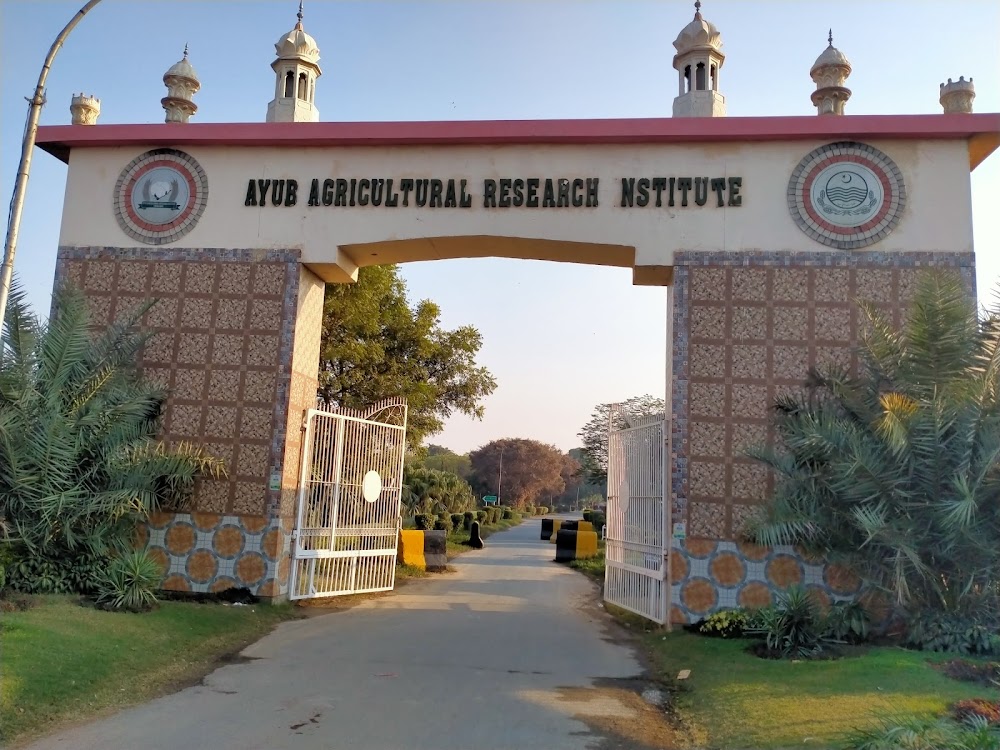
FAISALABAD, Sep 16 (APP):Chief Scientist Ayub Agricultural Research Institute (AARI) Dr Sajid-ur-Rehman said that sustainable growth in Pakistan’s cotton production cannot be achieved merely by expanding the cultivated area rather quality seed, improved varieties, modern production technology, timely agricultural guidance and effective transfer of research findings to the farmers are required to achieve this target.
He was speaking at the “Cotton Travelling Seminar 2026” organized by National Seed Development and Regulatory Authority (NSDRA), which is being held from September 15 to 21 across major cotton-producing areas of the country to strengthen coordination among research institutions, agriculture departments, seed-sector stakeholders, scientists, experts and farmers.
Dr Sajid-ur-Rehman stressed the need for stronger coordination between research and regulatory institutions to introduce cotton varieties and technologies suited to local climatic conditions, pest and disease pressures and farmers’ practical requirements.
He said that National Coordinated Varietal Trials (NCVT) enabled researchers to evaluate the actual performance of cotton varieties under diverse agro-climatic conditions, while travelling seminars helped narrow the gap between research and field-level farming.
He appreciated NSDRA’s initiative to take the seminar to different parts of the country, describing it as a timely effort to bring all stakeholders of the cotton sector onto a common platform.
Under this program, important trial sites have been established in Faisalabad, Sahiwal, Khanewal, Multan and Khanpur in Punjab, Khuzdar in Balochistan, and Sakrand and Tandojam in Sindh, he said, adding that the trials are aimed at scientifically evaluating new and promising cotton varieties and generating data to assist in selecting varieties suitable for different regions.
NSDRA Member Dr Qamar Shakeel said that an efficient seed system was fundamental to improving agricultural productivity and farmers’ incomes.
He stressed continuous coordination among regulatory bodies, research centers, the seed sector, universities, agriculture departments and farmers for effective implementation of the national seed policy.
He said that NSDRA sought to develop an integrated system covering identification and scientific evaluation of promising varieties, availability of quality seed and dissemination of accurate information to farmers.
Data generated through NCVT-2026 trials would provide a stronger scientific basis for future varietal recommendations and help farmers select varieties according to local conditions, he added.
The seminar is also facilitating direct assessment of crop performance, seed quality, pest and disease challenges and practical problems faced by growers while promoting the exchange of field experiences and successful practices among different regions.
The speakers noted that cotton, being a major cash crop and key raw material for the textile industry, has important linkages with Pakistan’s exports, rural economy and industrial activity.
The scientists and experts participating in the seminar include Dr Manzoor Hussain Manj, Dr Aamir Rasool Director General Pest Warning Punjab Lahore, Dr Aslam Yousaf Sail Technology Consultant, Dr Asif Ali Director Agricultural Information Faisalabad and Dr Qurban Ali Chief Scientist Headquarters and Convener, besides agricultural scientists from Ayub Agricultural Research Institute (AARI) Faisalabad, Nuclear Institute for Agriculture & Biology (NIAB) and National Institute for Biotechnology & Genetic Engineering (NIBGE).