HYDERABAD, Dec 27 (APP): December 27 marks the 18th death anniversary of Shaheed Mohtarma Benazir Bhutto, a towering figure in Pakistan’s political history whose life was defined by courage, resilience and an unwavering commitment to democracy. Born on 21 June 1953 in Karachi to a prominent political family, Benazir was groomed early for public life and leadership. She received her education from some of the world’s most prestigious institutions, including …
Shaheed Benazir Bhutto, a towering figure in Pakistan’s political history
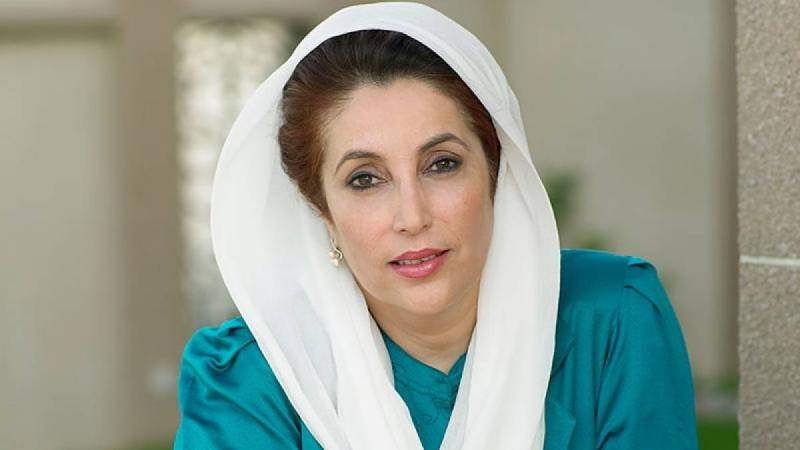
HYDERABAD, Dec 27 (APP): December 27 marks the 18th death anniversary of Shaheed Mohtarma Benazir Bhutto, a towering figure in Pakistan’s political history whose life was defined by courage, resilience and an unwavering commitment to democracy.
Born on 21 June 1953 in Karachi to a prominent political family, Benazir was groomed early for public life and leadership. She received her education from some of the world’s most prestigious institutions, including Harvard University and Oxford University, where she deepened her understanding of political science and international affairs — knowledge she would later apply to Pakistan’s complex political landscape.
Benazir Bhutto entered into active politics following years of authoritarian rule in Pakistan. Her father, Shaheed Zulfikar Ali Bhutto, was executed in 1979 after a military coup led by General Zia ul-Haq. This painful chapter shaped her political journey and steeled her resolve to restore democratic governance. Despite imprisonment and long periods in exile under military regimes, Benazir continued to advocate for civilian rule, human rights and social justice.
She made history in 1988 by becoming the first woman Prime Minister of Pakistan and the first woman to head a Muslim-majority nation. Her leadership was symbolic not only for Pakistan but for the entire Islamic world, breaking barriers in a field long dominated by men. She served two terms, during which she sought to strengthen democratic institutions, promote women’s empowerment, and champion the rights of the marginalized. However, her tenure also faced criticism and political challenges, reflecting the complexities of governance in turbulent times.
After her second government was dismissed in 1996 and a subsequent period of exile, Benazir returned to Pakistan in 2007 determined to continue her struggle for democratic stability. Her return energized millions of supporters, but it also made her a target. On 27 December 2007, just after addressing a public rally in Rawalpindi’s Liaquat Bagh, she was tragically assassinated in an attack that shook the nation and the democratic world. Her assassination was a profound loss for Pakistan and left a deep void in its political fabric.
Each year on 27th December, ceremonies and gatherings are held across Pakistan, especially at her ancestral graveyard in Garhi Khuda Bakhsh, Larkana, to pay homage to her memory. Leaders and citizens alike recall her unyielding spirit and reaffirm their commitment to the democratic ideals she championed. Governments, political parties, and civil society organizations commemorate her legacy with events, tributes, and reflections on her contributions.
Shaheed Benazir Bhutto’s life remains a testament to resilience in the face of adversity, the pursuit of democratic freedom, and the empowerment of women in leadership. Her legacy continues to inspire future generations to work toward a more just and equitable Pakistan.