KARACHI, Dec 18 (APP):Pakistani farmers affected by devastating 2022 floods on Thursday announced filing of a climate justice claim against major global carbon emitters, saying the unprecedented disaster had exposed Pakistan’s extreme vulnerability to climate change. Addressing a press conference at the Karachi Press Club, claimants Hamza Khan Kalhoro, Abdul Hafeez Khoso and Abdul Khaliq Leghari from Larkana, Jacobabad and Dadu said the 2022 floods had destroyed …
Pakistani farmers file climate justice claim against gobal polluters
KARACHI, Dec 18 (APP):Pakistani farmers affected by devastating 2022 floods on Thursday announced filing of a climate justice claim against major global carbon emitters, saying the unprecedented disaster had exposed Pakistan’s extreme vulnerability to climate change.
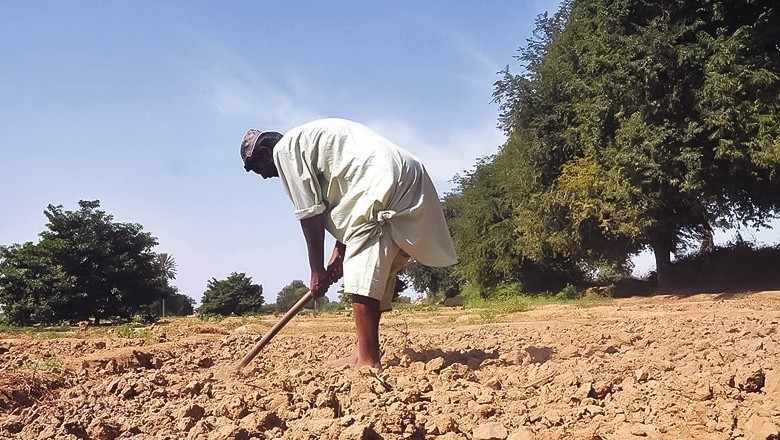
Addressing a press conference at the Karachi Press Club, claimants Hamza Khan Kalhoro, Abdul Hafeez Khoso and Abdul Khaliq Leghari from Larkana, Jacobabad and Dadu said the 2022 floods had destroyed crops, livestock and homes, pushing thousands of farming families into long-term economic distress, a communique said.
They said Pakistan, despite contributing less than one per cent to global greenhouse gas emissions, had suffered disproportionate losses due to climate-induced extreme weather events and is the 8th most vulnerable country globally.
They argued that historically high-emitting corporations must be held accountable for climate-related losses and damages. They said the companies responsible for pollution continued to grow richer day by day, while affected communities were pushed further back due to their actions and the climate crisis. They added that they have now started their struggle and are filing a climate justice case against two major historical polluters in Germany, RWE and Heidelberg Materials.
They said they 43 farmers are filing the claim seeking compensation for the losses they suffered during the 2022 floods.
Dr Shaikh Tanveer Ahmed of the HANDS Welfare Foundation said the 2022 floods were not a “natural disaster alone” but a consequence of global warming. “Our farmers are paying the price for emissions they did not cause.” He added that human-driven industrialisation, deforestation and the unchecked use of fossil fuels had intensified extreme weather, turning natural hazards into large-scale human disasters. Dr. Tanveer said climate justice requires accountability from major polluters and compensation for communities whose livelihoods had been destroyed.
NTUF leader Nasir Mansoor termed climate change a livelihood and labour rights issue, noting that repeated climate shocks were undermining rural employment and food security. He said the absence of climate-resilient policies was deepening inequality and pushing working communities further into poverty.
International partners supporting the claim said climate litigation was increasingly being used worldwide to seek accountability where political responses had fallen short. Lawyer Miriam Saagme of the European Centre for Constitutional and Human Rights (ECCHR), Germany, said the case aimed to amplify the voices of flood-affected communities in international legal forums, emphasizing that strategic litigation can help bridge the gap between global emissions responsibility and the lived realities of climate-vulnerable populations in countries like Pakistan.
Karin Zennig of medico international, Germany, said the case reflected a growing global effort to seek accountability for climate harm through legal action. She noted that communities in countries like Pakistan were facing severe impacts despite contributing minimally to global emissions, and stressed the necessity for liability of those responsible. Zennig said climate litigation had become an important tool to seek for justice since political diplomacy has failed already for so long to bring up change. International and local networks of solidarity are the carriers of change and the voices of the unheard once affected by climate crises.
The speakers urged the international community to recognise climate-induced losses and damages as a matter of justice and responsibility.