KARACHI, May 15 (APP):Federal Minister of Health, Syed Mustafa Kamal on Thursday announced the government’s strong commitment to increasing local production of vaccines and medicines in Pakistan. The minister made these remarks during the closing session of the "UNICEF-WHO Industry Consultation on Local Production of Vaccines and Pharmaceuticals" held in Karachi. During his speech, Kamal thanked UNICEF’s Abdullah A. Fadil and WHO’s Ellen Thom for their continued support of Pakistan’s …
Pakistan to boost local production of vaccines and medicines: Health Minister
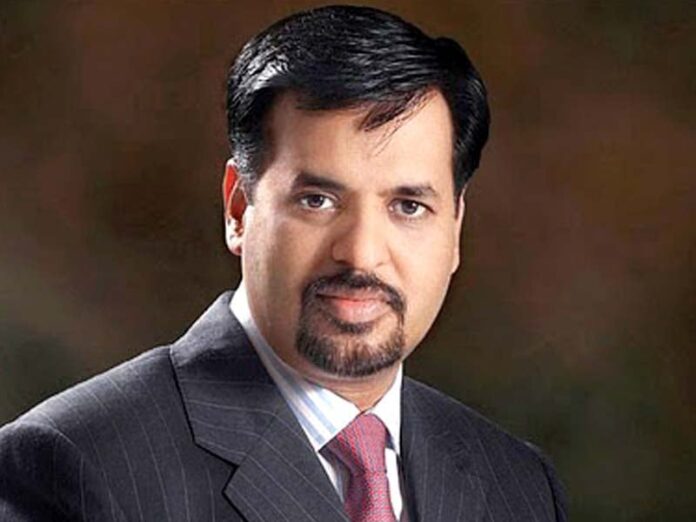
KARACHI, May 15 (APP):Federal Minister of Health, Syed Mustafa Kamal on Thursday announced the government’s strong commitment to increasing local production of vaccines and medicines in Pakistan.
The minister made these remarks during the closing session of the “UNICEF-WHO Industry Consultation on Local Production of Vaccines and Pharmaceuticals” held in Karachi.
During his speech, Kamal thanked UNICEF’s Abdullah A. Fadil and WHO’s Ellen Thom for their continued support of Pakistan’s healthcare goals. He called the consultation a “turning point” in the country’s path to becoming more independent in health services.
“We already have the talent, capacity, and resources,” he said. “Now, there is an urgent need to produce our own medicines and vaccines to meet the needs of our people.”
He mentioned how recent tensions with India caused serious problems in importing raw materials needed for medicines. . He added that the support and guidance from WHO and UNICEF will help Pakistan achieve this goal.
Mustafa Kamal highlighted that Pakistan’s pharmaceutical sector has great potential. He encouraged industry leaders to invest in modern technologies, research, and international standards.
“You, the private sector, are the real builders of this change,” he said. “We want you to create partnerships that bring in foreign investment and transfer of technology. This way, we can make Pakistan a leading center for pharmaceutical manufacturing.”
The minister added that with the right investments, support, and partnerships, Pakistan could not only meet its own health needs but also become an exporter of medicines and vaccines.
He emphasized Pakistan’s strong position in the region, saying, “We have the infrastructure, skilled people, and strategic location to be a key player in the global pharmaceutical market.”
“Our aim is not just to be self-reliant, but to achieve a level of excellence where Pakistani-made medicines are trusted around the world.”
The two-day consultation was organized by UNICEF and WHO and brought together important stakeholders, including officials from DRAP, the National Institute of Health (NIH), pharmaceutical companies, hospitals, and academic institutions.