
RAWALPINDI, Dec 21 (APP): The Lahore High Court (LHC) Rawalpindi Bench has served notices to respondents and sought comments within four weeks in a petition seeking implementation of Namal Lake Restoration and Management Plan (2022-2027). The plan includes actions against illegal constructions being made on the drains in shape of private drains and dams. The court also served notices to Attorney General of Pakistan and Advocate General Punjab to respond …
LHC seeks comments regarding restoration of Namal Lake Mianwali
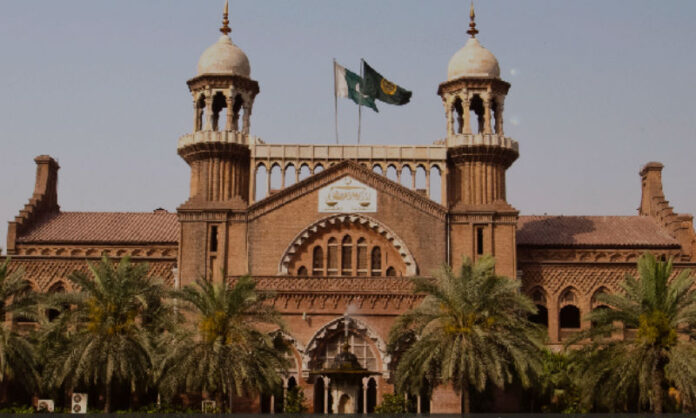
RAWALPINDI, Dec 21 (APP): The Lahore High Court (LHC) Rawalpindi Bench has served notices to respondents and sought comments within four weeks in a petition seeking implementation of Namal Lake Restoration and Management Plan (2022-2027).
The plan includes actions against illegal constructions being made on the drains in shape of private drains and dams.
The court also served notices to Attorney General of Pakistan and Advocate General Punjab to respond to the legal questions raised in the petition.
LHC’s Justice Jawad Hassan heard the case filed by petitioner Bilal Ahmed Advocate, a resident of Gulburg-III Lahore. The petition has named Ministry of Climate Change, Director General Environment Protection Agency (EPA) Punjab, Punjab Wildlife Department (PWD), Punjab Tourism Department (PTD), Chairman Judicial Water and Environment Commission, and others as respondents in the case.
The written order regarding the hearing said that the petitioner has submitted that the plan is comprehensive framework formulated by the competent provincial authorities for the ecological revival, hydrological rehabilitation and sustainable management of Namal Lake, which is historically significant natural reservoir located in District Mianwali.
The petitioner said that implementation of the plan has become imperative in view of the alarming and continuous degradation of the lake, allegedly caused by unauthorized and illegal constructions, including private drains, diversions, earthen bunds and makeshift dams erected upon natural waterways as well as drains feeding the lake.
He stated that the such actions directly obstruct the natural inflow of water, resulting in depletion of the lake’s water level, ecological imbalance and irreversible environment harm.
It stated that the Namal Lake was created in 1913 to meet the dire needs of irrigation and drinking water for Mianwali and its adjoining regions. The lake’s deterioration represents a direct and ongoing threat to the rights of the residents as well as to the environment at large, it added.
Bilal Ahmed Advocate, the petitioner, further stated that lakes play a pivotal role both environmentally and socio-economically. He maintained that such water bodies not only regulate micro-climates, enhance groundwater recharge, support biodiversity and serve sources of drinking and irrigation water, but also function as sites of public recreation, tourism and cultural engagement.
The petition said that the degradation of Namal Lake, therefore, directly undermines environmental integrity, community welfare, and economic sustainability.
He argued that the constitution unequivocally guarantees every citizen the fundamental right of access to places of public entertainment or resort and that such right cannot be abrogated, restricted or rendered illusory through action of the state authorities.
The petitioner asserted that the private individuals have illegally diverted natural drains and created pathways to redirect water for personal agricultural and domestic use, thereby severely diminishing the volume of water reaching Namal Lake and accelerating it degradation. It is a clear violation of the state’s constitutional obligation under Articles 9 and 9A to ensure a clean, healthy and sustainable environment, as well as to protect and preserve natural resources.
The petitioner prayed the court to decide the matter in favor of nature. He stated that failure of the concerned authorities to enforce these statutory obligations also amounts to a violation of international environmental principles and water rights norms.
After the arguments, the court admitted the case for hearing and served notices to respondents for answer.